

Beyond Heat Packs: Understanding Period Pain
For many of us, periods aren’t just a minor inconvenience; they can bring genuinely debilitating cramps that disrupt daily life. It’s a shared experience, but the intensity varies wildly, leaving many searching for effective relief. Understanding what’s happening in your body during your period is the first step towards finding that relief.
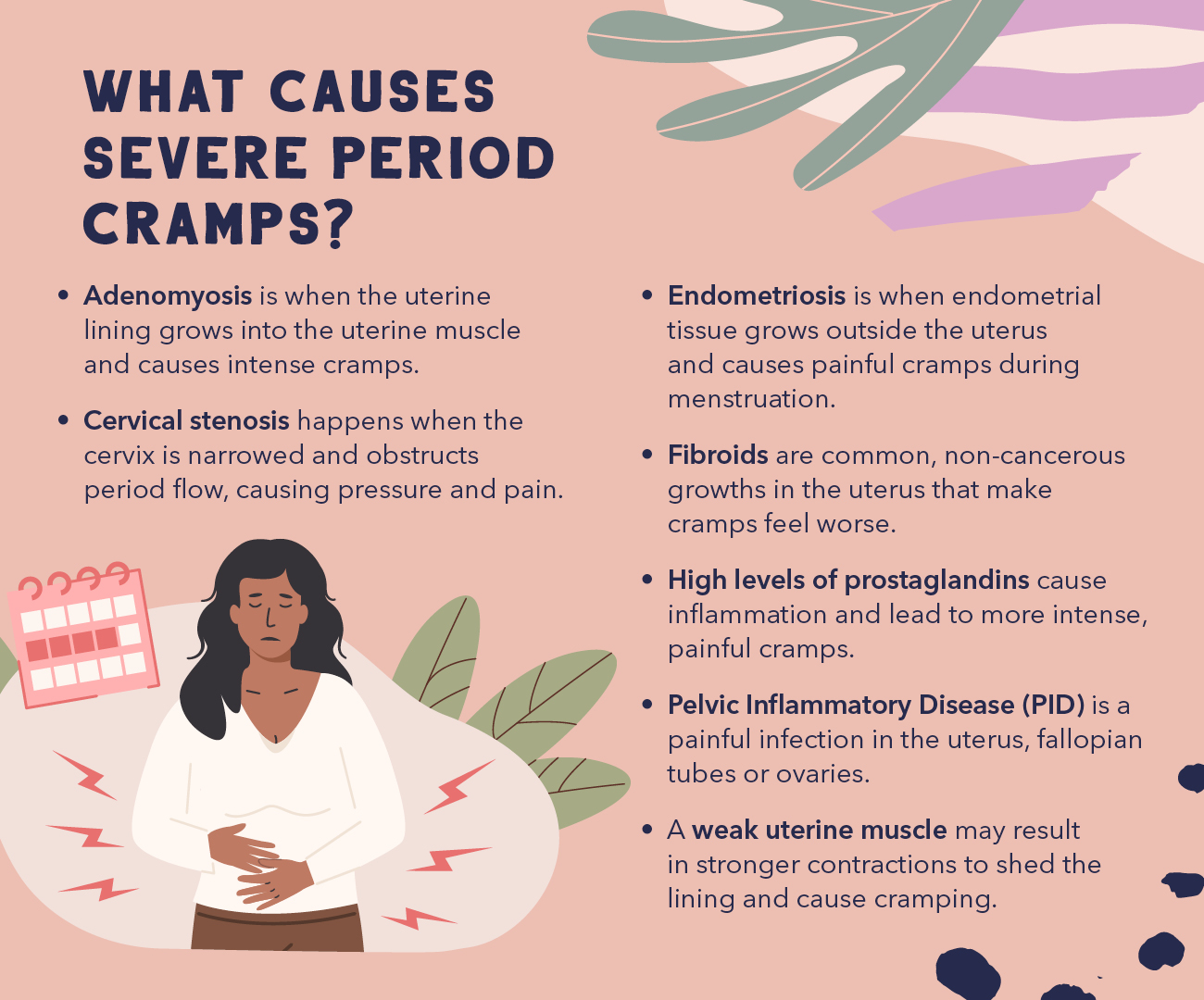
Period pain, medically known as dysmenorrhea, is primarily caused by prostaglandins – hormone-like substances that trigger uterine contractions. These contractions are necessary to shed the uterine lining, but excessive contractions can restrict blood flow to the uterus, leading to pain. The amount of prostaglandins produced differs from person to person, explaining why some experience mild discomfort while others are completely incapacitated.
There are two main types of dysmenorrhea: primary and secondary. Primary dysmenorrhea refers to the common menstrual cramps experienced by people who haven’t had any underlying pelvic conditions. Secondary dysmenorrhea is caused by an underlying condition affecting the reproductive organs, like endometriosis or fibroids. It’s important to be aware of this distinction, as the approach to treatment can differ significantly.
While over-the-counter pain relievers and heat packs offer temporary respite, many people are looking for more holistic and natural ways to manage their period pain. We'll explore a range of options, from dietary adjustments to herbal remedies and self-care practices, all aimed at easing discomfort and improving your overall well-being during your cycle.
Dietary Shifts for Soothing Cramps
What you eat doesn't just impact your energy levels; it can significantly influence the severity of your period symptoms, including cramps. Focusing on anti-inflammatory foods can be a powerful tool in managing pain. Foods rich in omega-3 fatty acids, like salmon, flaxseeds, and walnuts, have been shown to reduce prostaglandin production.
Turmeric, with its active compound curcumin, is another potent anti-inflammatory agent. You can incorporate it into your diet through cooking, or consider a turmeric supplement. Ginger is also a wonderful ally – a warm ginger tea can help reduce inflammation and soothe digestive discomfort, which often accompanies menstruation. Berries are packed with antioxidants, further contributing to inflammation reduction.
Conversely, certain foods can exacerbate period pain. Processed foods, high in unhealthy fats and sugar, tend to promote inflammation. Limiting caffeine and alcohol intake is also advisable, as they can constrict blood vessels and worsen cramps. Excessive sugar can lead to energy crashes and mood swings, making discomfort feel even more intense.
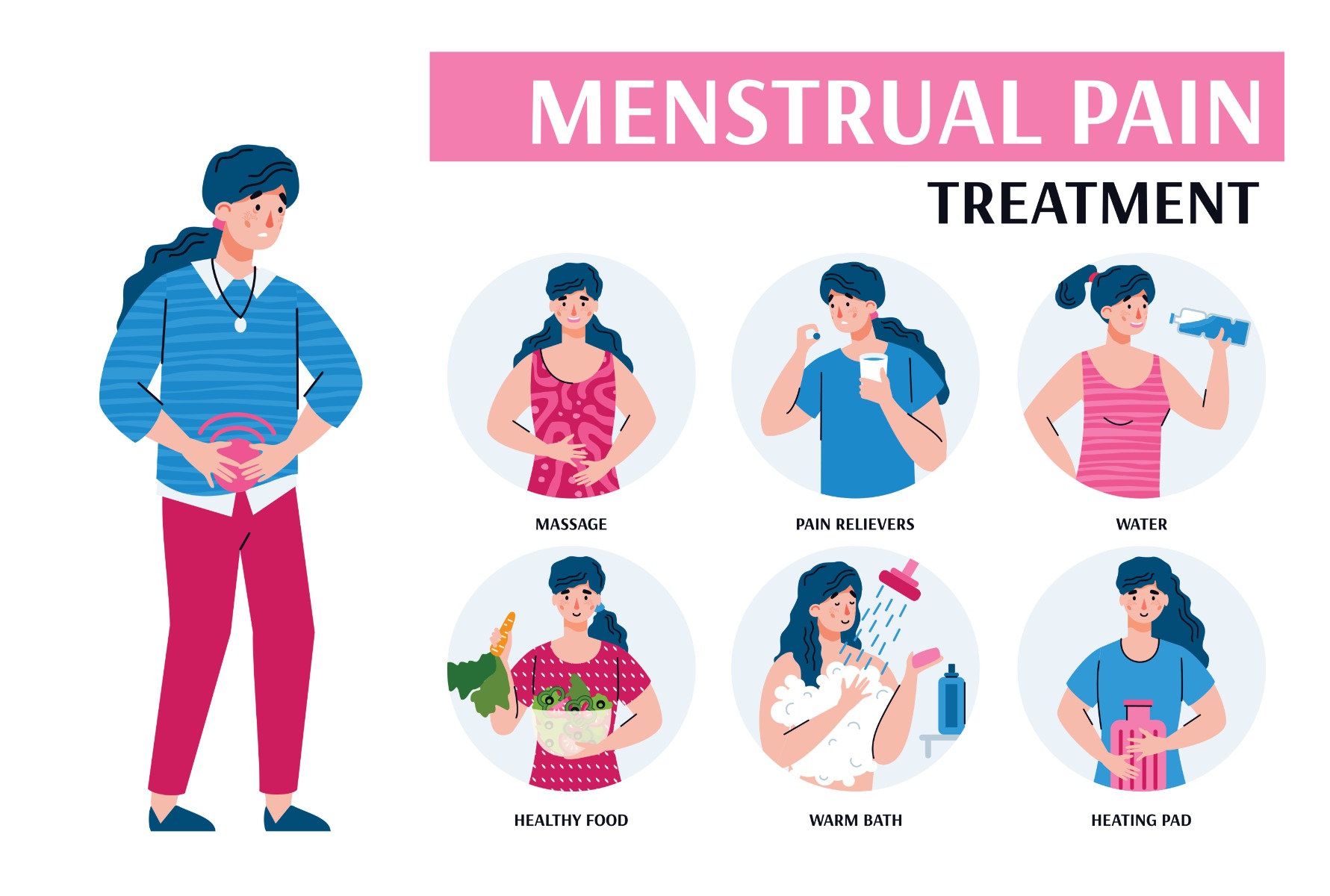
Hydration is absolutely key. Drinking plenty of water helps reduce bloating and keeps everything moving smoothly. Don’t underestimate the importance of magnesium and vitamin B6, both of which play a role in muscle relaxation and nerve function. Leafy greens, bananas, and whole grains are good sources of these nutrients. This isn’t about strict restriction; it’s about nourishing your body with foods that support its natural processes.
- Salmon: Rich in omega-3 fatty acids.
- Leafy Greens: Excellent source of magnesium and vitamins.
- Berries: Packed with antioxidants.
- Chamomile Tea: Calming and anti-inflammatory.
- Ginger: Reduces inflammation and soothes digestion.
Cramp-Fighting Foods
- Salmon - Rich in omega-3 fatty acids, which help reduce inflammation and may lessen the severity of menstrual cramps.
- Dark Chocolate - Contains magnesium, and flavonoids that may help relax uterine muscles and improve blood flow.
- Ginger - Possesses anti-inflammatory properties and can help reduce prostaglandin production, potentially easing cramps.
- Turmeric - Contains curcumin, a powerful anti-inflammatory compound that may help alleviate pain and discomfort.
- Leafy Greens - Packed with iron, magnesium, and calcium – nutrients often depleted during menstruation and crucial for muscle function.
- Bananas - A good source of potassium, which can help reduce bloating and muscle spasms associated with menstrual cramps.
- Pineapple - Contains bromelain, an enzyme known for its anti-inflammatory properties and ability to relieve pain.
Movement as Medicine: Gentle Exercise
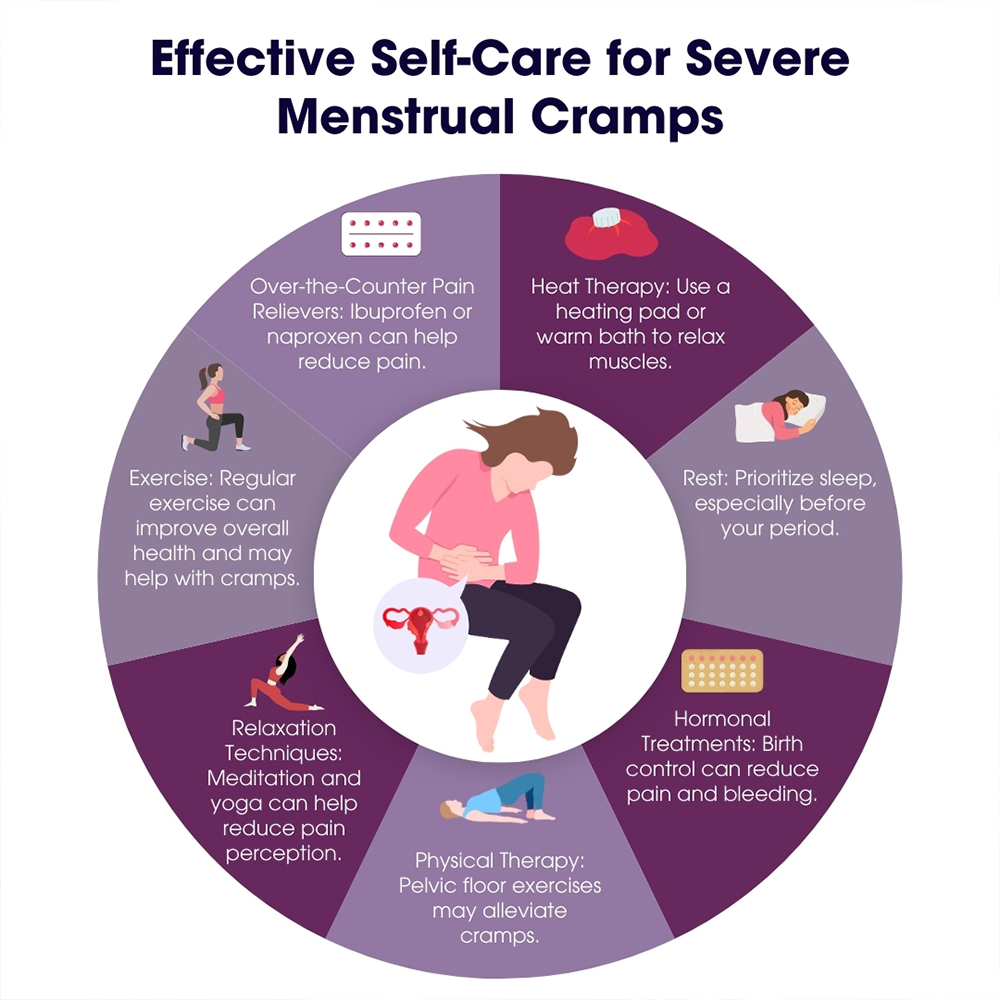
The thought of exercise during your period might seem counterintuitive—especially when you’re curled up in pain—but gentle movement can actually be incredibly beneficial. Exercise releases endorphins, which are natural pain relievers and mood boosters. It also improves circulation, helping to reduce muscle tension and alleviate cramps.
Low-impact activities are your best bet. Walking is a fantastic option, easily accessible and adaptable to your energy levels. Yoga, particularly poses like child’s pose, cat-cow, and gentle twists, can release tension in the lower back and abdomen. Stretching can also provide relief by lengthening muscles and improving flexibility. Swimming is another excellent choice, as the water supports your body weight.
It’s crucial to listen to your body. Avoid strenuous activity during peak pain; pushing yourself too hard can worsen discomfort. If you’re feeling exhausted, rest is perfectly acceptable. This isn’t about achieving a fitness goal; it's about finding a way to move your body in a way that feels good and supports your well-being.
I know it can be hard to motivate yourself when you're in pain, but even a short, gentle walk can make a difference. Start small, and gradually increase the intensity and duration as you feel comfortable. Consistency is key, even outside of your period, to build a stronger, more resilient body.
Herbal Allies: Nature’s Pain Relievers
For centuries, people have turned to herbs for relief from menstrual cramps. Chamomile, known for its calming properties, can help relax uterine muscles and reduce inflammation. Ginger, as we discussed earlier, also possesses powerful anti-inflammatory effects. Cinnamon can help regulate menstrual cycles and reduce bleeding, while fennel has traditionally been used to ease muscle spasms.
These herbs work through various mechanisms. Chamomile contains compounds that may reduce prostaglandin production. Gingerols in ginger inhibit inflammation. Fennel’s anethole component has antispasmodic properties. They can be consumed in several forms: as teas, capsules, or tinctures. A warm chamomile tea before bed can be particularly soothing.
However, it’s absolutely essential to be cautious when using herbal remedies. Herbs can interact with medications you're already taking. For example, ginger can potentially increase the risk of bleeding if you’re on blood thinners. Always consult with a healthcare professional before starting any new herbal regimen, especially if you have underlying health conditions.
I'm not a doctor, and this information isn't a substitute for medical advice. Herbal remedies can be helpful, but they should be used responsibly and under the guidance of a qualified healthcare provider. Look for reputable brands to ensure quality and purity.
Heat, Massage & Self-Care Rituals
Heat therapy remains a cornerstone of period pain relief, and for good reason. It helps relax uterine muscles, increase blood flow, and reduce cramping. You can choose from various methods: a traditional heating pad, a warm bath with Epsom salts, or a hot water bottle. Experiment to find what works best for you.
Massage can also provide significant relief. Gently massaging your lower abdomen in circular motions can help relieve muscle tension and improve circulation. You can use your hands or a massage tool. Consider adding a few drops of essential oil, like lavender or clary sage, to the massage oil for added relaxation—but be sure to use a carrier oil like almond or jojoba oil.
Beyond these physical remedies, self-care is paramount. Prioritize rest, read a book, listen to music, spend time in nature, or engage in any activity that brings you joy and relaxation. Create a soothing environment—dim the lights, light a candle, and disconnect from stressors.
This section is about nurturing yourself and prioritizing comfort. Your body is going through a lot, so be kind to it. Allow yourself to slow down and focus on your well-being. It’s okay to say no to commitments and to ask for help when you need it.
- Heating Pad: Provides targeted heat relief.
- Warm Bath with Epsom Salts: Relaxes muscles and reduces inflammation.
- Hot Water Bottle: Portable and effective.
- Gentle Abdominal Massage: Relieves muscle tension.
- Essential Oils (Lavender, Clary Sage): Promotes relaxation (use with a carrier oil).
Supplements: What the Research Says
Several supplements have shown promise in reducing menstrual cramps. Magnesium plays a crucial role in muscle relaxation and nerve function, and studies suggest that magnesium supplementation can reduce the severity of cramps. Vitamin D deficiency is linked to increased pain sensitivity, so ensuring adequate vitamin D levels may be beneficial.
Calcium also contributes to muscle function, and some research suggests a link between calcium intake and reduced menstrual pain. Fish oil, rich in omega-3 fatty acids, can help reduce inflammation. However, the evidence is still evolving, and results vary between studies. A review published in the Journal of Women’s Health (2018) indicated that omega-3 supplementation may reduce the need for pain medication.
Dosages vary depending on the supplement and individual needs. For magnesium, 200-400mg per day is a common range. Vitamin D dosage should be determined by a healthcare professional based on blood tests. Fish oil supplements typically contain 1-2 grams of EPA and DHA. It’s important to note that supplement quality can vary significantly.
Look for third-party tested products to ensure purity and potency. Again, I must emphasize the importance of consulting with a healthcare professional before starting any new supplement regimen. They can assess your individual needs and potential interactions with medications. While supplements can be helpful, they aren't a magic bullet and should be used as part of a holistic approach.
When to Seek Medical Attention
While natural remedies can be effective for managing mild to moderate menstrual cramps, it's crucial to recognize when your pain is not normal and requires medical attention. Extremely heavy bleeding—soaking through a pad or tampon every hour for several consecutive hours—is a red flag.
Pain that doesn’t respond to over-the-counter pain relievers, or that interferes with your daily activities, warrants a visit to the doctor. New or worsening symptoms, such as sudden, severe pain, or pain that radiates to your back or legs, should also be evaluated. Fever or nausea accompanying your period is another cause for concern.
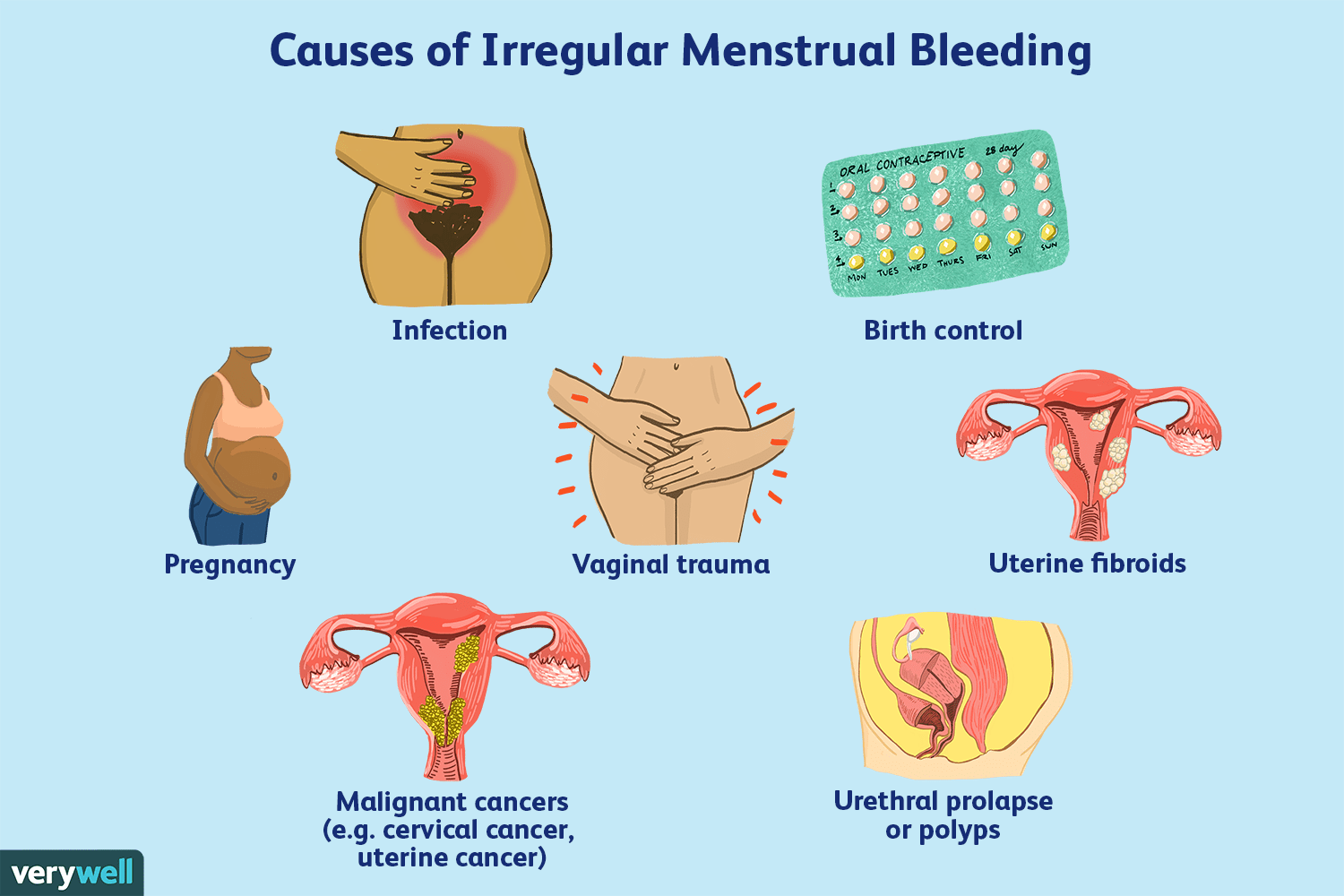
These symptoms could indicate an underlying condition like endometriosis, fibroids, or pelvic inflammatory disease. Endometriosis, for example, involves the growth of uterine tissue outside the uterus, causing chronic pain and inflammation. Fibroids are noncancerous growths in the uterus that can lead to heavy bleeding and pain.
Don’t hesitate to seek medical advice if you’re concerned about your period pain. Early diagnosis and treatment can significantly improve your quality of life. Your healthcare provider can perform a physical exam and order tests to determine the cause of your pain and recommend the most appropriate treatment plan.
- Extremely heavy bleeding: Soaking through a pad/tampon every hour for several hours.
- Pain unresponsive to OTC medication: Pain that doesn't improve with common pain relievers.
- Interference with daily activities: Pain that prevents you from functioning normally.
- New or worsening symptoms: Sudden, severe pain or radiating pain.
- Fever or nausea: Accompanying symptoms that suggest a more serious issue.
No comments yet. Be the first to share your thoughts!