
Defining menstrual health standards
The World Health Organization (WHO) defines menstrual health not merely as the absence of disease or infirmity, but as a state of complete physical, mental, and social well-being. This definition, updated in August 2024, frames menstrual health as a fundamental human right rather than a narrow hygiene concern. The WHO emphasizes that menstrual hygiene management is central to the health, well-being, and dignity of girls and women.
This holistic view moves beyond clinical metrics to include the social and economic dimensions of menstruation. The World Bank notes that menstrual health is essential for the empowerment of women and adolescent girls, impacting education, employment, and social participation. On any given day, more than 300 million women and girls are menstruating, making this a global public health priority.
Understanding these standards helps distinguish between basic hygiene practices and comprehensive health support. It shifts the focus from managing symptoms to ensuring that individuals have the resources, knowledge, and dignity required to navigate menstruation without fear, shame, or limitation. This broader perspective informs policies and healthcare frameworks worldwide.
Evaluating reusable menstrual products
Choosing between menstrual cups and period swimwear requires balancing hygiene standards with lifestyle needs. The World Health Organization defines menstrual health as a state of complete physical, mental, and social well-being, not merely the absence of disease or infirmity [src-serp-1]. According to the Centers for Disease Control and Prevention, proper menstrual hygiene is essential for preventing infections and maintaining comfort [src-serp-4]. While traditional pads and tampons remain common, reusable alternatives offer distinct advantages in sustainability and cost-effectiveness.
Menstrual cups are made from medical-grade silicone, latex, or thermoplastic elastomer. They collect fluid rather than absorbing it, which can reduce the risk of Toxic Shock Syndrome (TSS) compared to super-absorbent tampons. Period swimwear uses layered, waterproof fabrics to leak-proof clothing during menstruation. Both options are designed for extended wear, but their maintenance and usage contexts differ significantly.
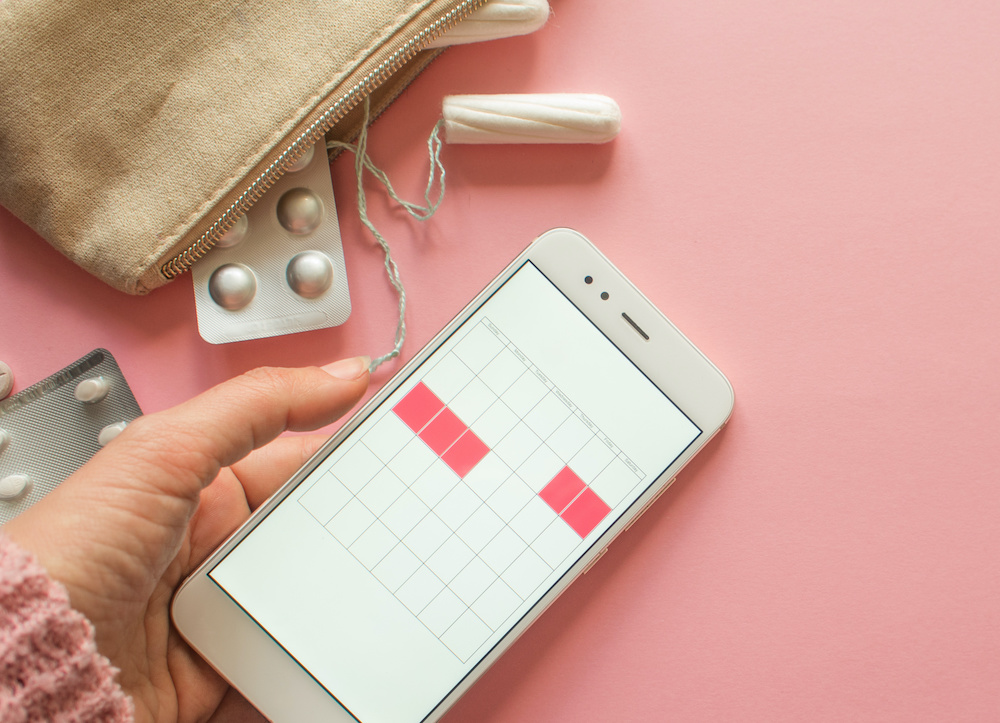
The table below compares key factors for menstrual cups and period swimwear based on current hygiene and usage data.
| Feature | Menstrual Cup | Period Swimwear |
|---|---|---|
| Primary Function | Collection | Absorption & Containment |
| Hygiene Risk | Low (if sterilized) | Low (if washed promptly) |
| Longevity | Up to 10 years | 1-3 years |
| Cost Over Time | Very Low | Moderate |
| Best Context | Daily & Night Use | Water Activities |
Hygiene practices dictate the safety of both products. The CDC emphasizes that menstrual hygiene helps prevent infections and reduce odors [src-serp-4]. Menstrual cups require regular emptying and periodic sterilization, typically by boiling. Period swimwear must be rinsed after use to prevent bacterial growth and maintain fabric integrity. Neither product eliminates the need for regular changing; cups should be emptied every 8-12 hours, and swimwear should be changed immediately after swimming or if soiled.
Hygiene protocols and product care
Proper hygiene is the primary defense against infection when using reusable menstrual products. The Centers for Disease Control and Prevention (CDC) emphasizes that menstrual hygiene is essential for health, helping to prevent infections, reduce odors, and maintain comfort throughout your cycle. Because reusable items like cups and period swimwear are worn internally or against sensitive skin for extended periods, adhering to strict cleaning protocols is non-negotiable.
The following steps outline the standard hygiene routine recommended by health authorities. These protocols apply to both menstrual cups and period swimwear, ensuring that materials remain safe and effective over time.
Always wash your hands thoroughly with soap and warm water before inserting or removing a menstrual cup. This simple step prevents transferring bacteria from your hands to the vaginal canal, which is a common cause of irritation or infection. Ensure your nails are short and clean to avoid scratching delicate tissues.
If you are using a menstrual cup and need to empty it in a public restroom, rinse it with clean, cool water before reinserting. If available, use a mild, unscented soap for a deeper clean. Avoid harsh chemicals or scented soaps, which can disrupt the natural pH balance and cause irritation. Period swimwear should be rinsed in cold water immediately after use to remove blood and prevent staining.
At the end of each menstrual cycle, you must sterilize your menstrual cup to kill any remaining bacteria. Boil the cup in a pot of water for five to ten minutes, ensuring it does not touch the bottom of the pot. Check the manufacturer’s instructions, as some silicone brands may have specific temperature limits. Period swimwear should be hand-washed with a gentle detergent and air-dried flat.
Once clean and completely dry, store your menstrual cup in its provided breathable cotton bag. Avoid airtight plastic containers, which can trap moisture and encourage bacterial growth. Keep the storage container in a cool, dry place away from direct sunlight. This ensures the silicone remains in good condition and ready for your next cycle.
Deviating from these hygiene standards can lead to bacterial vaginosis or toxic shock syndrome (TSS), although TSS is rare. If you experience unusual symptoms such as severe pain, irregular bleeding, or signs of infection, consult a healthcare provider. The CDC notes that maintaining these habits significantly reduces health risks associated with menstrual products.
Recognizing signs of menstrual issues
Menstrual health involves both physical and psychosocial factors that are fundamental to overall well-being, as noted by the Journal of the American Pharmacists Association. While cycles vary, certain deviations signal underlying health concerns that require professional attention. Identifying these signs early can prevent complications and improve quality of life.
According to the Cleveland Clinic, you should contact a healthcare provider if you experience severe pain during or between periods. This level of discomfort goes beyond typical cramping and may indicate conditions like endometriosis or fibroids. Pain that interferes with daily activities is a clear indicator that medical evaluation is necessary.
Heavy bleeding is another critical sign. Seek care if you soak through a sanitary pad or tampon every hour for two to three consecutive hours. Passing large clots—specifically those larger than a quarter—also suggests abnormal menstruation. These symptoms can lead to anemia and other systemic issues if left untreated.
Irregular periods, defined as cycles that vary significantly in length or frequency, warrant investigation. While occasional irregularity can result from stress or lifestyle changes, persistent patterns may point to hormonal imbalances or reproductive health disorders. Tracking your cycle helps distinguish between temporary fluctuations and chronic issues requiring treatment.
Menstrual health as a human right
The global policy landscape is shifting toward recognizing menstrual health as a fundamental human right. Organizations like UNICEF emphasize that menstruation is a natural biological fact for the 1.8 billion girls, women, transgender men, and non-binary people of reproductive age worldwide. This recognition frames access to menstrual products not as a luxury, but as a basic necessity for dignity, education, and economic participation.
A major component of this rights-based approach is the push to eliminate taxes on menstrual products. Advocacy groups argue that taxing these items imposes an unfair burden, effectively treating a biological necessity as a luxury good. Removing these taxes is seen as a critical step toward ensuring affordable and accessible hygiene standards for all.
Global policy milestones
The movement toward legal and policy reform has gained significant traction in recent years. Governments and international bodies are increasingly adopting frameworks that address both the social stigma and the economic barriers associated with menstruation.
These developments reflect a broader understanding that menstrual equity is integral to gender equality. By addressing tax policies and ensuring public access, jurisdictions are working to remove systemic obstacles that have historically marginalized menstrual health in public discourse and policy planning.
Common questions on menstrual health
Menstrual health encompasses physical and psychosocial factors fundamental to well-being, as noted by the Journal of the American Pharmacists Association. Understanding when symptoms deviate from the norm is essential for maintaining hygiene and safety standards.
No comments yet. Be the first to share your thoughts!