
Beyond Leaks: The Period Swimwear Evolution
I remember the dread. Planning a beach day, only to realize my period was starting. The options felt limited: sit it out, risk a bulky pad shifting around, or constantly worry about a tampon’s absorbency. For generations, managing menstruation and enjoying water activities simply didn’t go hand-in-hand. It was a real frustration.
Thankfully, things have changed dramatically. Period swimwear has emerged as a genuine solution, and by 2026, it's become a sophisticated category. What started as a niche idea is now a growing market, driven by a demand for comfort, convenience, and confidence. This isn’t about simply coping with your period while swimming; it’s about enjoying yourself, period.
This guide will walk you through everything you need to know about period swimwear in 2026. We’ll break down the technology, help you find the right fit for your flow, explore the latest styles, and discuss how to care for your investment. There's a lot of innovation happening, and it’s an exciting time to be exploring these options.
Consumers are increasingly prioritizing sustainable and ethically made products, and period swimwear is no exception. The shift away from disposable period products is a big part of this, and period swimwear offers a reusable, comfortable alternative. It’s about finding a solution that works for your body and your values.
The Tech Behind Leak-Proof: Layers Explained
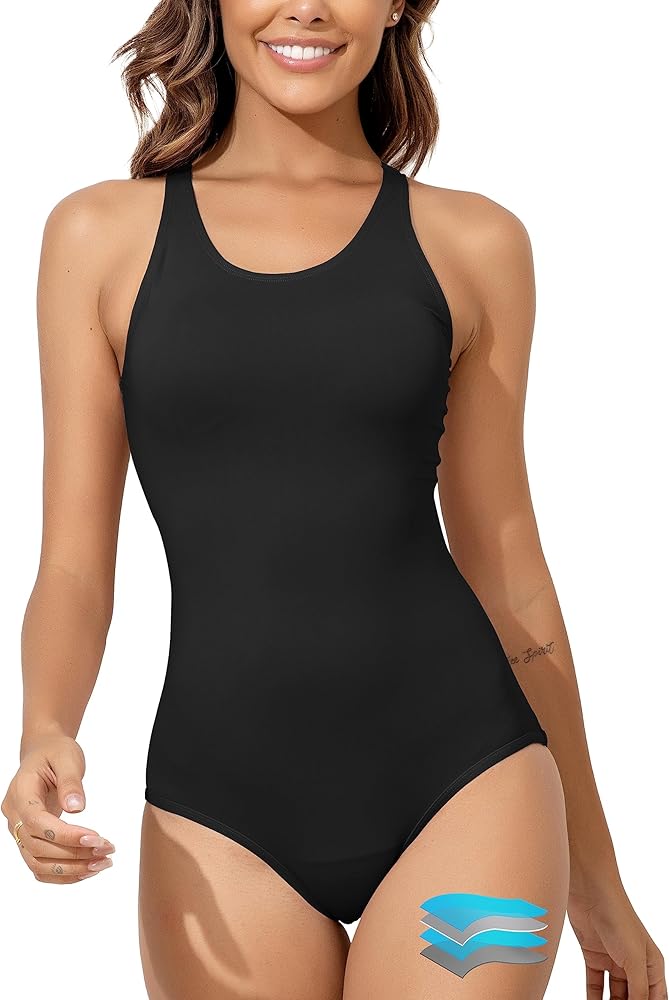
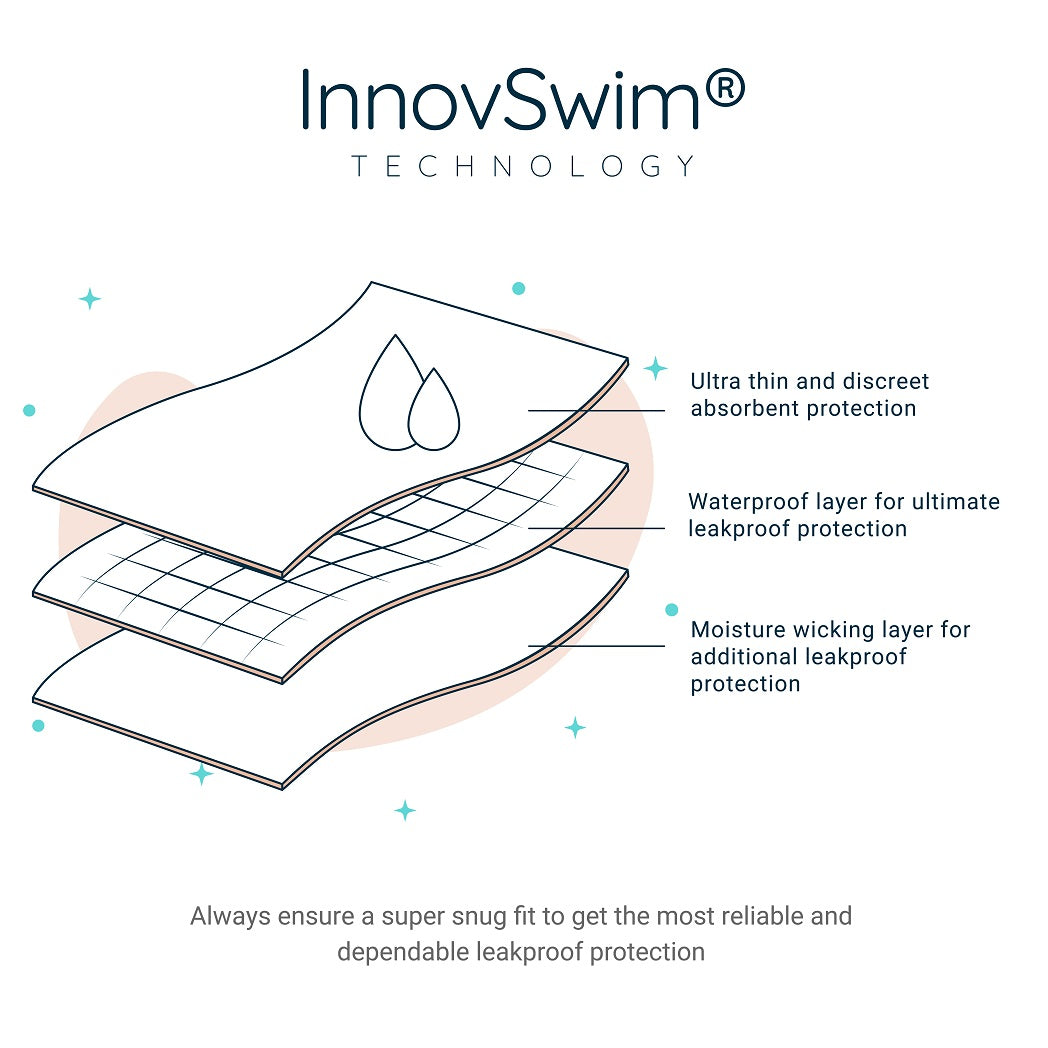
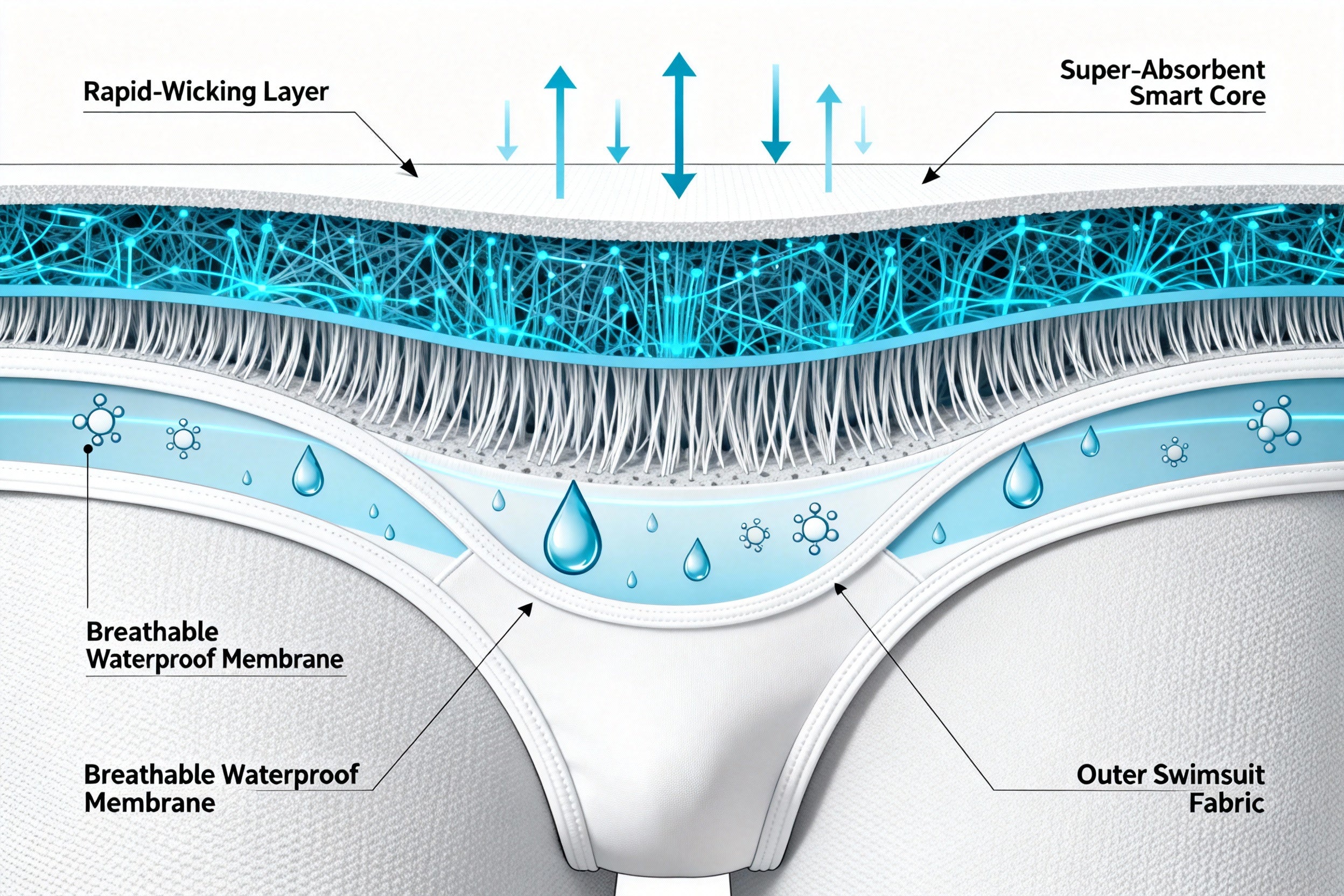
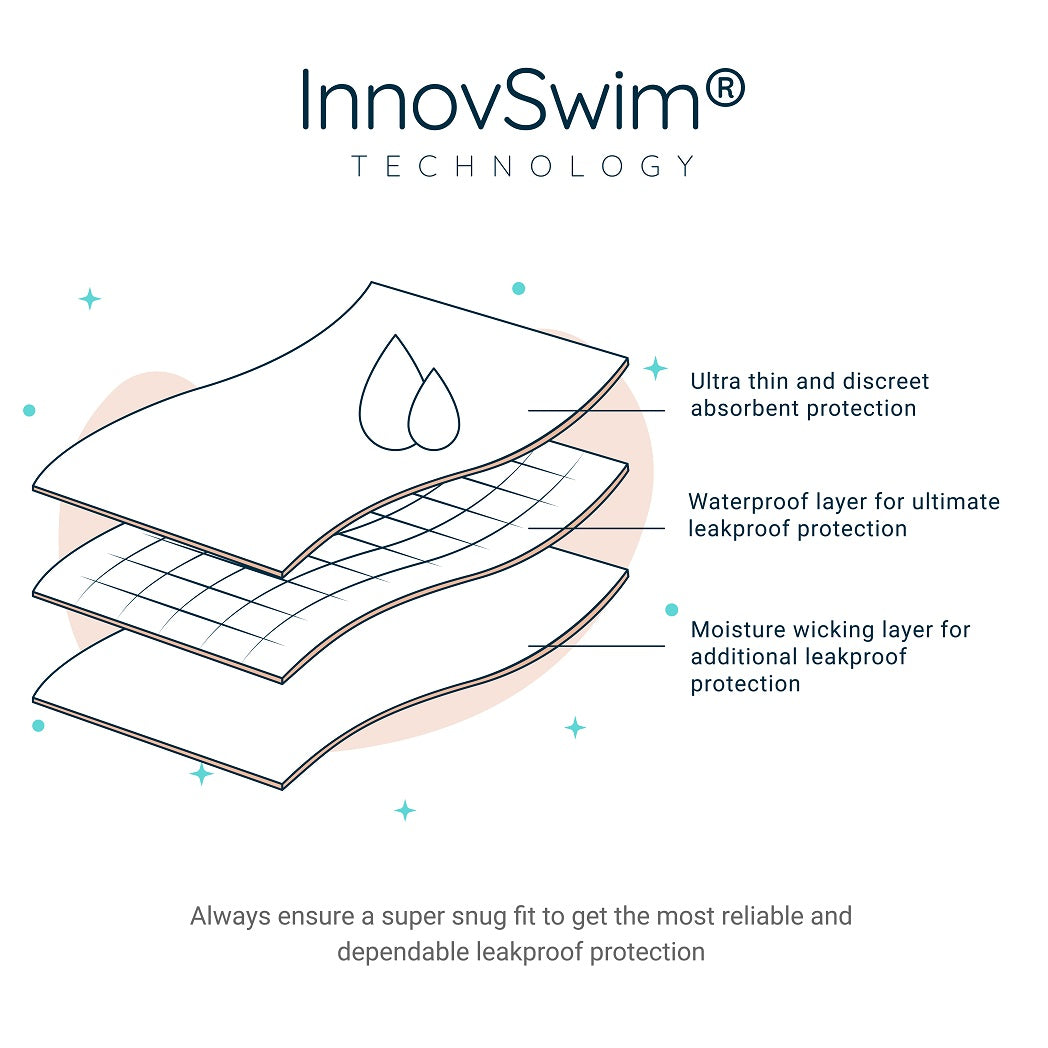
Period swimwear isn’t just a waterproof fabric. It’s a carefully engineered combination of layers, each with a specific job. Understanding these layers is crucial to understanding how it all works – and what to expect. At its base, you have the outer layer, which is typically a quick-drying material like nylon or polyester. This provides a comfortable, swimsuit-like feel.
Beneath that lies the absorbent core. This is where the magic happens. Most brands use a blend of materials, often including microfiber, bamboo charcoal, or cotton. These materials are designed to wick moisture away from your body and lock it in. Absorbency levels vary significantly between brands and styles, which we’ll cover in more detail later.
Finally, there’s the leak-proof barrier. This is usually a layer of polyurethane laminate (PUL) or a similar waterproof material. It prevents liquid from escaping, providing that essential peace of mind. Modibodi, for example, uses a super absorbent inner layer and a leak-proof PUL layer in many of their swim styles.
It's important to be realistic: 'leak-proof' isn't a guarantee. It depends on your flow, the swimwear’s absorbency, and how long you’re in the water. However, well-designed period swimwear significantly reduces the risk of leaks compared to traditional methods. Different brands approach layering differently, balancing absorbency, comfort, and cost. Some prioritize thinner layers for a more discreet feel, while others focus on maximum absorbency.
Flow Rates & Swimwear Capacity: Finding Your Match
Matching your swimwear’s absorbency to your menstrual flow is the most important step in preventing leaks. Estimating your flow can be tricky, but here's a general guide: light flow might mean changing a tampon or pad every 6-8 hours, medium flow is every 4-6 hours, and heavy flow is every 2-4 hours. Keep in mind this is a rough estimate, and everyone is different.
Brands offer different absorbency levels, often described as 'light,' 'medium,' or 'heavy.' Knixteen, for example, specifically designs their teen swimwear with varying absorbency levels to accommodate different flow rates. However, standardization is still lacking. What one brand considers "medium" might be different from another.
Your activity level also plays a role. More vigorous swimming or exercise can compress the absorbent core, potentially reducing its capacity. If you’re planning a particularly active day, it’s wise to choose swimwear with higher absorbency or consider bringing a backup pair. It’s always better to be prepared.
I've found that reading reviews from other users with similar flow rates can be incredibly helpful. Many brands provide detailed product descriptions and guidance on choosing the right size and absorbency. Don’t hesitate to contact customer service if you have questions – they can often offer personalized recommendations.
- Light Flow: Change every 6-8 hours
- Medium Flow: Change every 4-6 hours
- Heavy Flow: Change every 2-4 hours
Period Swimwear Brand Comparison (2026)
| Brand | Absorbency Levels Offered | Material Composition | Style Options | Customer Review Summary |
|---|---|---|---|---|
| Periuod | Light, Medium, Heavy | Organic Cotton, Lycra/Spandex blend (based on 'The Bikini Period' description) | Bikini bottoms, one-piece swimsuits | Generally positive reviews focusing on comfort and reliable leak protection, especially for moderate flows. |
| Modibodi | Light to Super | Recycled Nylon/Elastane, with Modibodi’s proprietary Modifier Technology™ (based on us.modibodi.com) | Wide range including bikinis, one-pieces, swim leggings, and rash vests. | Reviews frequently mention comfort and confidence, with some users noting suitability for heavier flows. |
| Thinx Swim | Light to Heavy | Recycled Nylon/Elastane blend | Bikini bottoms, high-waisted options, one-piece suits | Generally good reviews regarding fit and discreetness, though some users report varying performance based on flow intensity. |
| Proof Wear | Light to Super Plus | Recycled Polyester/Spandex | One-piece suits, bikini bottoms, and swim shorts | Customer feedback highlights the effectiveness for longer wear and heavier flows, with some mentioning the thicker feel of the absorbent layers. |
| Lola Swim | Light to Medium | Recycled Nylon/Spandex | Bikini bottoms, one-piece suits, and cover-ups | Reviews indicate satisfaction with the fit and design, particularly for lighter flow days and as a backup during periods. |
| Knix Swim | Light to Heavy | Recycled Nylon/Elastane | One-piece suits, bikini bottoms, and tankinis | Customer reviews frequently mention a seamless fit and reliable leak protection, with some noting the higher price point. |
Illustrative comparison based on the article research brief. Verify current pricing, limits, and product details in the official docs before relying on it.
Styles in 2026: Beyond the Basics
The range of styles available in period swimwear has expanded significantly. You’re no longer limited to just a few basic options. Bikinis remain popular, with high-waisted styles offering more coverage and support. Hipster cuts provide a classic look, while thong bikinis offer minimal coverage.
One-pieces are also readily available, ranging from classic, sporty designs to more trendy and fashion-forward options. Swim shorts are a comfortable and practical choice for those who prefer more coverage. Rash guards are another versatile option, offering sun protection and an extra layer of security.
In 2026, we’re seeing a trend towards more inclusive sizing. Brands are recognizing the need to cater to a wider range of body types, offering sizes from XS to 3X and beyond. There’s also a growing emphasis on sustainable materials and ethical manufacturing practices, influencing design choices.
I've noticed a move toward seamless designs, minimizing visible panty lines and maximizing comfort. Some brands are incorporating innovative fabrics and construction techniques to enhance the overall fit and feel. The goal is to create swimwear that looks and feels like regular swimwear, but with the added benefit of leak-proof protection.
- Bikinis (high-waisted, hipster, thong)
- One-pieces (classic, sporty, trendy)
- Swim shorts
- Rash guards
Period Swimwear Styles
- Thong Swimsuit - Offers minimal coverage with built-in absorbent technology. Ideal for light flow days and those who prefer a barely-there feel.
- High-Waisted Bikini - Provides moderate coverage and tummy control, with absorbent layers integrated into the lining. Suitable for moderate activity levels and medium flows.
- Boy Shorts Swimsuit - Offers full coverage and a sporty look, with absorbent material throughout. Great for active swimming and heavier flows.
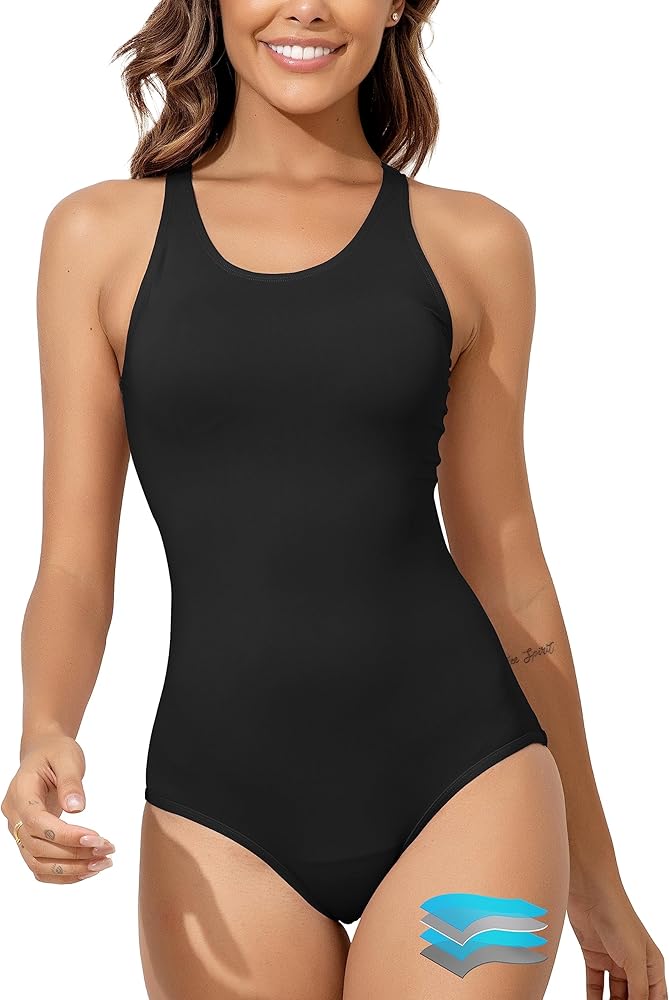
- One-Piece Swimsuit - A classic style with full body coverage and built-in absorbent layers. Versatile for all activity levels and flow intensities.
- Swim Shorts - Loose-fitting and comfortable, with absorbent lining designed for discretion. Perfect for beach volleyball or casual swimming with a heavier flow.
- Tankini - Offers a two-piece look with the coverage of a one-piece, featuring absorbent technology in both the top and bottom. Good for those who want adjustable coverage.
- Long-Legged Swimsuit - Provides extended coverage on the legs, with integrated absorbent layers. Suitable for those seeking extra security and a retro aesthetic.
Care & Longevity: Making Your Swimwear Last
Proper care is essential for extending the lifespan of your period swimwear and maintaining its absorbency. Most brands recommend hand washing in cold water with a mild detergent. Avoid harsh chemicals, bleach, and fabric softeners, as these can damage the absorbent core and waterproof barrier.
If you choose to machine wash, use a gentle cycle and place the swimwear in a mesh laundry bag to protect it. Air drying is always the best option, as tumble drying can degrade the materials. Avoid direct sunlight, which can cause fading. Store your swimwear in a cool, dry place when not in use.
Staining can sometimes occur, but it can usually be removed with a pre-treatment stain remover. For odor, rinse the swimwear thoroughly after each use and consider soaking it in a solution of vinegar and water. Following these simple steps will help keep your swimwear fresh and functional for longer.
It’s also important to remember that the absorbent core will gradually lose its effectiveness over time, even with proper care. This is normal, and eventually, you’ll need to replace your swimwear. But with consistent care, you can significantly extend its lifespan.
Sustainability & Ethical Considerations
Compared to disposable period products, period swimwear has a significantly lower environmental impact. Disposable pads and tampons generate a substantial amount of waste, contributing to landfill pollution. Period swimwear is reusable, reducing the need for constant disposal.
However, it’s important to acknowledge that even period swimwear isn’t entirely sustainable. Many options are made from synthetic fabrics like nylon and polyester, which are derived from petroleum and contribute to microplastic pollution. Choosing brands that prioritize recycled materials, like recycled nylon, can help mitigate this issue.
Organic cotton is a more sustainable alternative, but it may not be as durable or quick-drying as synthetic fabrics. Ethical manufacturing practices are also crucial. Look for brands that prioritize fair labor standards and transparency in their supply chain.
The issue of microplastic pollution is a growing concern. Washing synthetic fabrics releases microplastics into the water system. Using a laundry bag designed to capture microplastics can help reduce this impact. It’s a complex issue with no easy solutions, but making informed choices can make a difference.
Real Talk: Addressing Common Concerns
It’s natural to have anxieties about trying period swimwear. Odor is a common concern, but well-designed swimwear typically incorporates odor-neutralizing materials. Proper washing and drying are also essential for preventing odor buildup. Comfort is another key consideration. Look for swimwear with soft, breathable fabrics and a comfortable fit.
The fear of visible leaks is understandable. Choosing the right absorbency level and ensuring a snug fit can minimize this risk. If a leak does happen, don’t panic. The dark colors often used in period swimwear can help conceal it. Having a spare pair of underwear or a towel on hand can provide extra peace of mind.
Chafing can occur with any swimwear, but it can be minimized by choosing a well-fitting style and using a water-based lubricant. I always recommend doing a test run at home before wearing your swimwear for a full day of swimming. This will give you a chance to assess the fit and comfort.
Remember, period swimwear is designed to empower you and allow you to enjoy your life without interruption. It's okay to feel a little nervous at first, but with a little preparation and the right product, you can feel confident and comfortable during your period.
Periuod’s Top Picks for 2026
At Periuod, we’ve curated a selection of period swimwear based on performance, comfort, and value. For those seeking maximum absorbency, we recommend the Period Company’s Bikini Period in Organic Cotton, known for its heavy flow capacity and comfortable fit. It’s a reliable choice for longer swims or heavier days.
If you prioritize a sleek and discreet design, Modibodi’s range of period swimwear is a great option. Their styles are designed to look and feel like regular swimwear, with a focus on comfort and confidence. They offer a variety of styles, from bikinis to one-pieces.
For teenagers or those new to period swimwear, Knixteen’s leakproof swimwear is an excellent starting point. Their designs are specifically tailored to the needs of young people, with varying absorbency levels and comfortable fits. The price point is also very accessible.
We also appreciate brands that prioritize sustainability. Look for swimwear made from recycled materials or organic cotton. While these options may be slightly more expensive, they offer a more environmentally friendly choice. Ultimately, the best period swimwear for you will depend on your individual needs and preferences. We encourage you to explore our selection and find the perfect fit.
What is your biggest concern when considering period swimwear for the first time?
We want to make sure our guide addresses what matters most to you. Vote below and let us know which factor weighs heaviest on your mind when thinking about switching to period swimwear.
No comments yet. Be the first to share your thoughts!