

Spotting or a Light Period?
It’s a familiar feeling: you notice some blood, but it’s not quite…a period. Is it just a lighter flow than usual, or something else entirely? This uncertainty can be really unsettling, leaving you feeling anxious and unsure of what's happening with your body. You’re definitely not alone in experiencing this confusion.
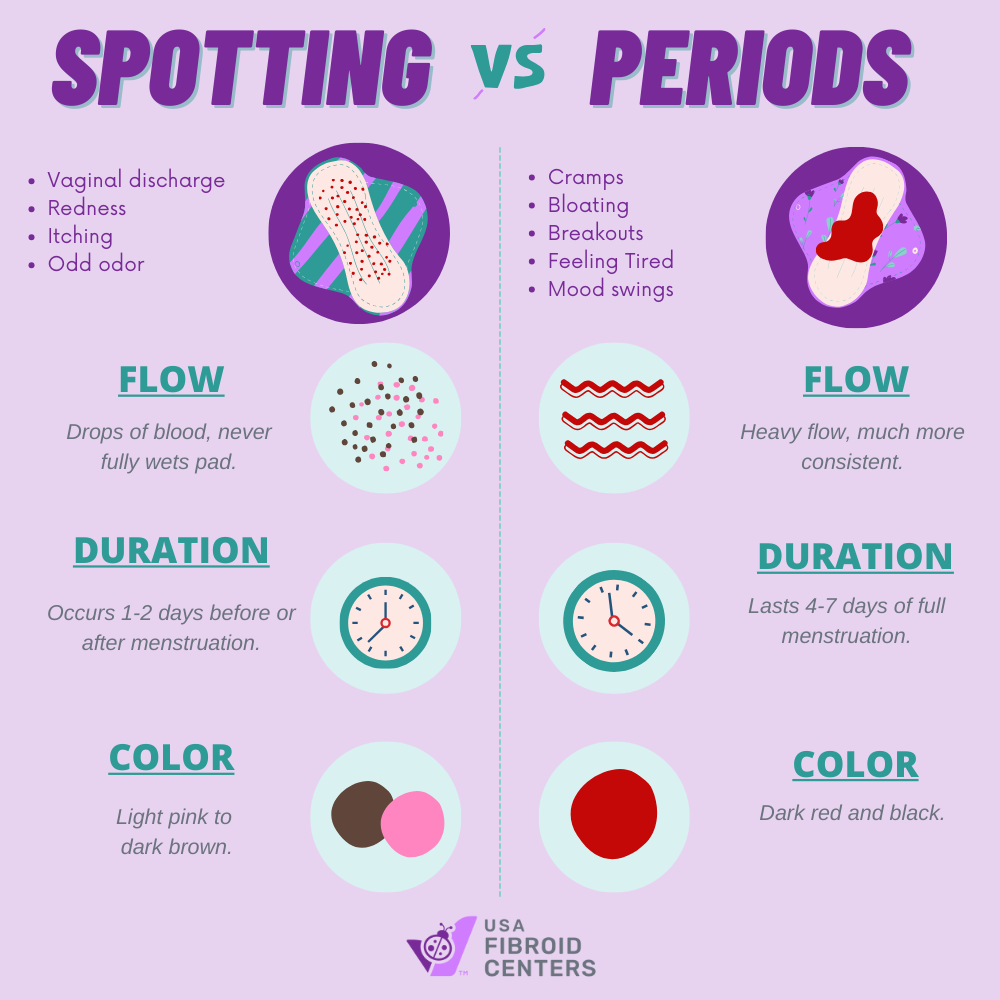
Let’s break down the difference between spotting and a light period. Spotting is generally defined as light bleeding that occurs outside of your expected menstrual period. It’s usually a small amount of blood – think a few drops or light staining – and often lasts for a day or two. A light period, on the other hand, is a menstrual period, just with a lighter flow than what you typically experience.
The key differences come down to amount, duration, and timing. A light period will still follow a regular cycle, though it might only require a panty liner or very light tampon. Spotting is unpredictable, happening between periods, and the amount of blood is considerably less. Recognizing these distinctions can help you understand your body better, but remember, any unusual bleeding deserves attention.
Decoding the Color Spectrum
Blood color can offer clues, but it's not a definitive diagnostic tool. Don't immediately jump to worst-case scenarios; it’s about gathering information to discuss with your doctor. The color you see is influenced by how long the blood has been in the body and whether it’s mixed with cervical mucus.
Pinkish blood often indicates a lower estrogen level or the beginning/end of your period when flow is light. Bright red blood usually means fresh bleeding, common during the heavier days of your period. Dark red or brown blood suggests the blood has taken longer to exit the uterus, meaning it’s older blood. This can happen at the start or end of your period, or with spotting.
Even black blood is possible, though less common, also indicating older blood. It's worth noting that the type of period product you use can influence how the color appears. Menstrual cups, for instance, may expose you to a more accurate color than pads or underwear, as the blood isn’t exposed to air immediately. This isn’t something to self-diagnose, but a helpful observation to share with your healthcare provider.
- Pink: Lower estrogen, beginning/end of period
- Bright Red: Fresh bleeding, heavier flow
- Dark Red/Brown: Older blood, start/end of period, spotting
- Black: Older blood (less common)
Understanding Bleeding Color, Potential Causes, and When to Seek Medical Advice
| Color | Possible Causes | When to See a Doctor |
|---|---|---|
| Pink/Light Red | Often seen at the beginning or end of a period, hormonal changes (like starting or stopping birth control), or breakthrough bleeding. | If spotting is persistent outside of your expected period, or accompanied by other symptoms like pain or fever. |
| Bright Red | Typically indicates fresh blood, common during the main flow days of a period. Can also occur with spotting due to a recent disruption to the uterine lining. | Generally not a cause for immediate concern if it corresponds with your cycle, but see a doctor if flow is unusually heavy or prolonged. |
| Dark Red | Often seen at the beginning or end of a period as blood takes longer to exit the uterus. Can also indicate a period that is ending. | If accompanied by a foul odor, or if dark red bleeding is consistently heavier than usual. |
| Brown | Usually indicates older blood that has been in the uterus for a while and has oxidized. Common after a period ends or during initial stages of pregnancy. | If persistent spotting occurs between periods, or if you suspect you may be pregnant. |
| Black | Can indicate older blood that has taken a longer time to exit the uterus. Less common, and sometimes associated with a blockage or very slow flow. | Always consult a doctor if you experience black bleeding, as it can indicate a more serious underlying issue. |
| Spotting with Clots | Can occur during a normal period, but larger clots may indicate heavier flow. Sometimes present with early pregnancy. | If clots are significantly larger than usual, or accompanied by severe pain or dizziness. |
Illustrative comparison based on the article research brief. Verify current pricing, limits, and product details in the official docs before relying on it.
Common Causes of Spotting
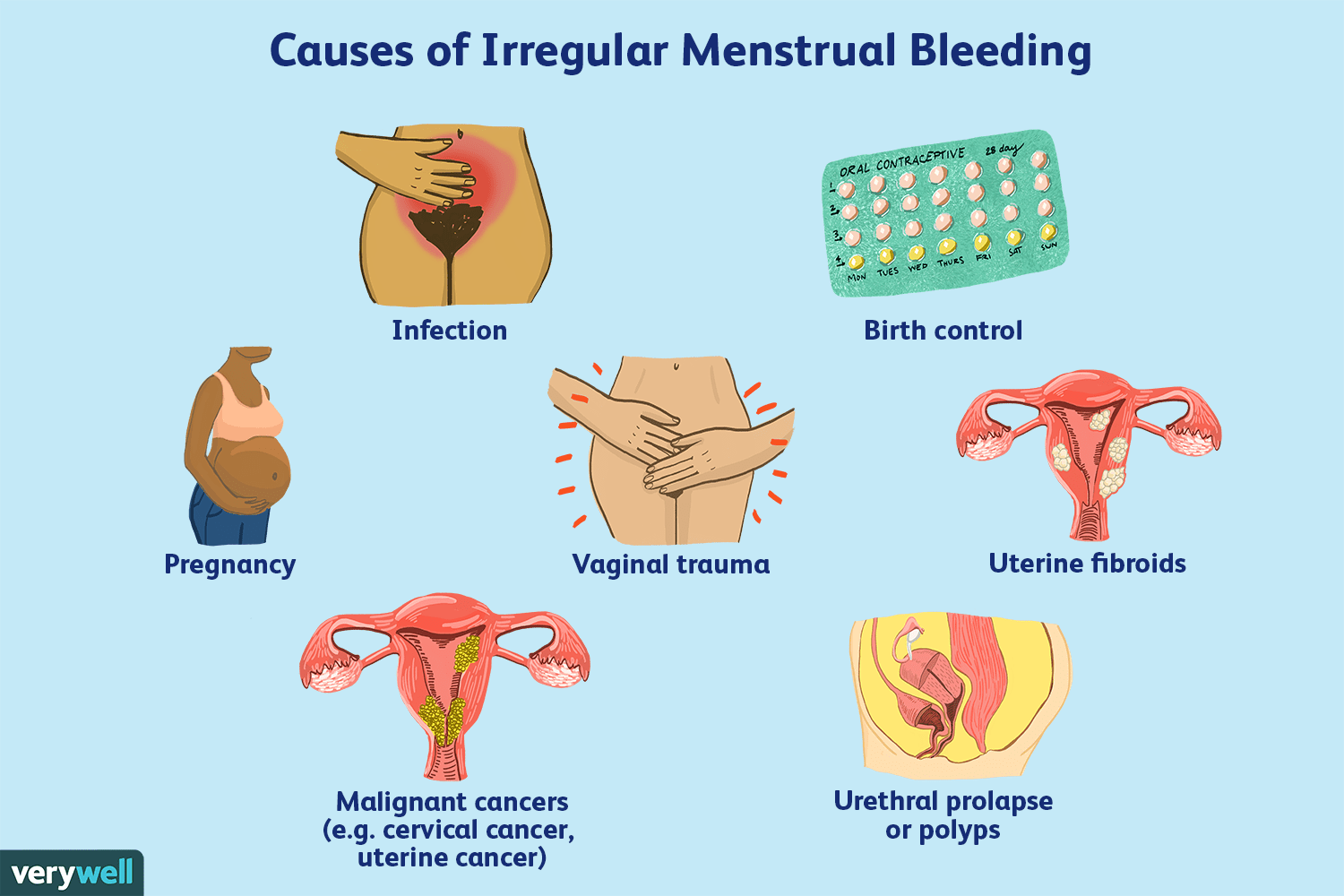
Spotting outside of your period is surprisingly common. There are many potential causes, and it's rarely a sign of something serious, but it’s always worth investigating. Hormonal fluctuations are often the culprit, especially related to birth control. Starting or stopping hormonal birth control, or even missing a pill, can disrupt your cycle and cause spotting.
Ovulation itself can sometimes cause a little bit of spotting, known as mittelschmerz bleeding. Implantation bleeding – spotting that happens when a fertilized egg attaches to the uterine lining – is another possibility if you're trying to conceive. Sexually transmitted infections (STIs) can also cause irregular bleeding, so it’s important to get tested regularly if you’re sexually active.
Less common, but still possible, causes include uterine fibroids or polyps—noncancerous growths in the uterus—and stress. Stress significantly impacts our hormones, and that can manifest in various ways, including changes to our menstrual cycles. According to HelloClue.com, other causes can include changes in routine, travel, and even excessive exercise. I want to be clear that this list isn’t for self-diagnosis; it’s simply an overview of possibilities.
- Hormonal birth control (starting, stopping, missed pills)
- Ovulation
- Implantation bleeding
- STIs
- U
- Stress
When is Light Bleeding Still a Period?
Determining whether light bleeding is a true period or just an unusual episode of spotting can be tricky. Generally, if you’re experiencing bleeding that follows a regular cycle – meaning it occurs roughly the same number of days apart each month – and lasts for at least a couple of days, it’s likely a light period. A good rule of thumb is if you’re soaking a regular tampon or pad every 6-8 hours, that’s considered a flow, even if it’s light.
Periods naturally change throughout your life. During puberty, cycles are often irregular and can be lighter or heavier. As you approach perimenopause, periods may become lighter, shorter, and more infrequent. Lifestyle factors also play a role. Significant changes in diet or exercise, or even high levels of stress, can impact your period flow.
It’s important to remember that variation is normal. What's 'normal' for one person isn’t necessarily normal for another. Paying attention to your body and what's typical for you is the most important thing. Don’t compare your period to someone else’s.
Spotting vs. Light Periods: A Timeline
Visualizing the menstrual cycle can help clarify when spotting is more common or potentially concerning. Early in the cycle (days 1-5), during menstruation, you’d expect a period—which could be light. Around day 14, ovulation occurs, and some people experience spotting. Later in the cycle (days 21-28), spotting could indicate hormonal shifts or, if you’re trying to conceive, potential implantation.
The timeline is driven by fluctuating hormone levels. Estrogen builds up in the first half of the cycle, preparing the uterine lining. After ovulation, progesterone rises, further thickening the lining. If fertilization doesn't occur, both hormones drop, leading to menstruation. Spotting often happens when these hormonal shifts are abrupt or unbalanced.
Spotting that occurs mid-cycle, unrelated to ovulation, or that’s accompanied by other symptoms like pain or fever, is more likely to warrant a doctor’s visit. Understanding where you are in your cycle when spotting occurs can provide valuable context for you and your healthcare provider.
Periuod Products for Managing Light Flow & Spotting
Dealing with spotting or a light period isn’t just about understanding the cause; it’s also about feeling comfortable and confident. Periuod offers a range of products designed for managing light flow and providing peace of mind. Our period underwear is a great option for everyday wear, offering discreet protection and a comfortable, secure feeling.
For those who prefer pads, we have light absorbency pads that are specifically designed for lighter days. They're comfortable, breathable, and provide reliable protection without feeling bulky. If you’re interested in monitoring your flow, our menstrual cups are an excellent choice. They allow you to see exactly how much blood you’re losing, which can be helpful for tracking and discussing with your doctor.
The benefit of Periuod products isn’t just physical comfort; it’s the emotional relief of knowing you're prepared. Spotting can be anxiety-inducing, and having the right products on hand can help you navigate those moments with confidence. We believe everyone deserves to feel comfortable and empowered throughout their entire cycle.
Managing Spotting and Light Periods with Periuod

Light absorbency for bladder control and postpartum use · Unscented for sensitive skin · GreenCircle Certified for environmental facts
These pads offer discreet and comfortable protection for light flow or spotting, ensuring confidence throughout the day.

Leak-proof protection for menstrual flow · Made with breathable cotton · OEKO-TEX STANDARD 100 certified for safety
These period underwear provide a reliable and comfortable solution for managing light to moderate flow, offering leak protection and peace of mind.

Reusable menstrual cup with a pull-tab for easy removal · Includes two free menstrual discs · Capacity equivalent to two super tampons
This starter kit offers a versatile and eco-friendly option for managing light flow, with a cup and discs designed for comfort and ease of use.

Reusable menstrual disc with a high capacity · Can hold the equivalent of six super tampons · Designed for long-term use, lasting for years
The Flex Reusable Disc provides exceptional capacity and comfort, making it an ideal choice for reliable protection during light to moderate periods.
As an Amazon Associate I earn from qualifying purchases. Prices may vary.
When to See a Doctor
While spotting and light periods are often harmless, there are times when it’s crucial to seek medical attention. Heavy bleeding – soaking through a pad or tampon every hour for several hours – is a clear sign something isn’t right. Similarly, prolonged bleeding that lasts longer than seven days should be evaluated by a doctor.
Bleeding between periods that is heavy or frequent, or that’s accompanied by pain, fever, or dizziness, is also a cause for concern. Any sudden changes in your cycle, especially if you’re postmenopausal, warrant a visit to your healthcare provider. These symptoms could indicate an underlying condition that needs treatment.
It’s important to remember that this information is not a substitute for professional medical advice. If you’re experiencing any unusual bleeding, or if you’re concerned about your menstrual health, please consult with a doctor. They can provide a personalized assessment and recommend the best course of action.
Have you ever been unsure whether your bleeding was spotting or a light period?
Understanding the difference between spotting and a light period can be tricky. Many people experience unusual menstrual bleeding at some point, and knowing what is normal for your body is an important part of menstrual health. Vote below and let us know where you stand!
No comments yet. Be the first to share your thoughts!