
Your Body After 35: A New Rhythm
Noticing changes in your menstrual cycle after 35 can be unsettling, but these shifts are a natural part of aging. Understanding what's happening is the first step toward feeling more in control.
Hormonal fluctuations drive these changes. Starting in your mid-30s, estrogen and progesterone levels gradually decline, and FSH levels shift. These hormones regulate your menstrual cycle, so even small changes can have noticeable effects. This is a gradual process.
These shifts can affect cycle regularity, flow heaviness, and period symptom intensity. Your body is adapting to a new normal. Periuod supports women through all stages of their menstrual journey.
Understanding these changes, responding with self-care, and making informed choices can ease anxiety and help you embrace this new phase of life.
Shifting Cycle Lengths: What’s Common?
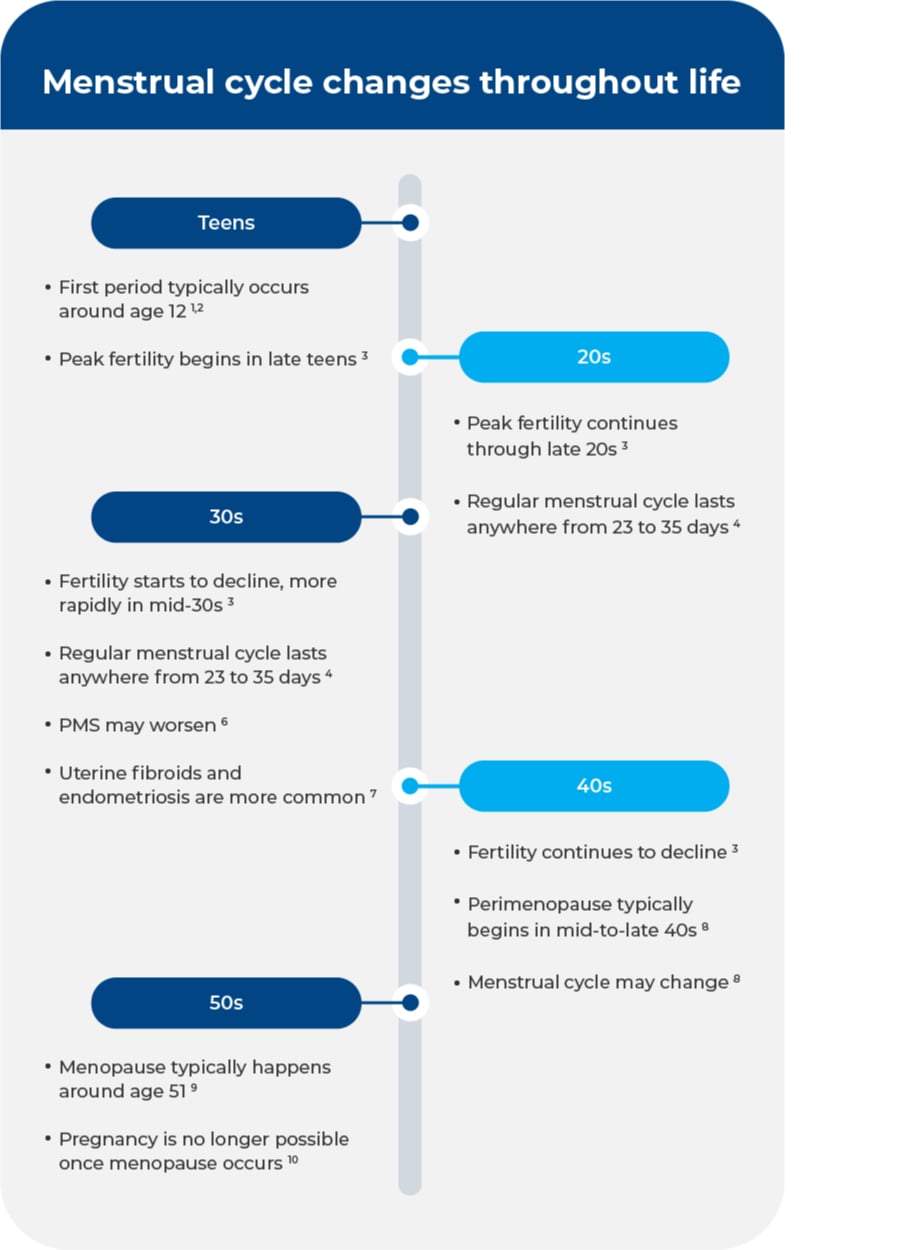
After 35, many women notice changes in cycle length, which can become shorter or longer. Shorter cycles mean more frequent periods, while longer cycles mean more time between them. Pay attention to these changes.
Declining estrogen levels can affect the follicular phase (the time between your period's start and ovulation). A shorter follicular phase can lead to a shorter cycle. Delayed or irregular ovulation can make cycles longer. A wide range is considered normal.
The Mayo Clinic notes that a typical menstrual cycle is 28 days long, but cycles between 21 and 35 days are also considered normal. However, a significant deviation from your usual cycle length is something to be aware of. According to data from NCBI, cycle length tends to increase slightly with age, but individual experiences vary greatly.
Stress, travel, diet changes, and intense exercise can temporarily affect your cycle. If you notice persistent and significant changes, discuss them with your doctor. Tracking your cycle is a good first step.
- 20s: Average cycle length of 21-35 days
- 30s: Cycle length may begin to fluctuate, but still generally within the 21-35 day range
- 40s: Cycle length may continue to fluctuate, with a tendency towards longer cycles. Periods may become less predictable.
Menstrual Cycle Changes by Age Range
| Age Range | Typical Cycle Length | Common Variations | When to Discuss with a Doctor |
|---|---|---|---|
| 20s | 21-35 days | Cycles may be shorter or longer, especially with stress or lifestyle changes. Mild fluctuations are normal. | Irregular cycles that significantly disrupt daily life, or cycles consistently outside the 21-35 day range. |
| 30s | 21-38 days | Slightly more variability than in the 20s. Cycle length may begin to subtly shift. | Changes in cycle length exceeding 7 days, consistently heavy or light flow, or new/worsening pain. |
| Early 40s (35-40) | 28-42 days | Increased variability in cycle length is common. Periods may become heavier or lighter. Some spotting between periods may occur. | Significant changes in cycle length (more than 8 days), very heavy bleeding (soaking through pads/tampons every hour for several hours), or prolonged periods (lasting more than 7 days). |
| Late 40s (40-45) | Variable, often 32-45+ days | Cycles may become significantly more irregular, with longer intervals between periods. Periods may be heavier or lighter, and spotting is more frequent. | Sudden changes in cycle length or flow, bleeding between periods, or any new symptoms such as pelvic pain or pressure. |
| Perimenopause (typically begins in 40s) | Highly variable | Cycles can become very unpredictable, with skipped periods and significantly altered flow. This phase can last several years. | Any concerning symptoms, including heavy bleeding, prolonged periods, or spotting after menopause has been established (12 consecutive months without a period). |
| Generally, any age | N/A | Stress, weight changes, and significant lifestyle adjustments can temporarily affect cycle length. | If you are concerned about changes in your cycle, it’s always best to consult with a healthcare professional. |
Illustrative comparison based on the article research brief. Verify current pricing, limits, and product details in the official docs before relying on it.
Period Flow: Changes to Expect
After 35, menstrual flow changes are common. Some women experience heavier periods, others lighter bleeding, and flow can become unpredictable month-to-month. These changes are linked to hormonal fluctuations affecting the uterine lining.
Hormonal shifts affect uterine lining thickness. Fluctuating estrogen can cause the lining to build up more than usual, leading to heavier bleeding. Lower estrogen can result in a thinner lining and lighter flow. This is a delicate balance.
Heavier bleeding (menorrhagia) can signal underlying conditions like uterine fibroids or polyps. While hormonal changes contribute, rule out other causes. Spotting between periods is also common due to hormonal fluctuations or other factors.
If significantly heavier bleeding interferes with your daily life, or if spotting becomes frequent and persistent, consult your doctor for reassurance and guidance.
Symptom Shifts: Beyond the Cramps
Period symptoms can change with age. While cramps are common, other symptoms might become more pronounced or new ones may emerge, often due to hormonal imbalances.
Many women report an increase in PMS symptoms like mood swings, bloating, breast tenderness, and fatigue after 35. These symptoms can be more intense and last longer due to fluctuating hormone levels. It's frustrating, but knowing what to expect can help you prepare and manage them.
Cramps may become more intense with age, potentially due to uterine changes. Managing cramps with heat, over-the-counter pain relievers, and gentle exercise remains effective. If cramps are severe and interfere with daily life, talk to your doctor.
Perimenopause, the transition to menopause, can begin in your 30s or 40s, causing a range of fluctuating symptoms like irregular periods, hot flashes, sleep disturbances, and mood changes. New symptoms such as headaches or sleep disturbances may also appear. Awareness of these possibilities is important.
- Common PMS symptoms: Mood swings, bloating, fatigue, breast tenderness
- Potential new symptoms: Headaches, sleep disturbances, increased anxiety
- Perimenopause symptoms: Hot flashes, night sweats, irregular periods
When to Talk to Your Doctor: Red Flags
Be proactive about your menstrual health. While many changes are normal, certain symptoms warrant a medical consultation if you're concerned.
Suddenly very heavy bleeding (soaking through a pad or tampon every hour for several hours) requires seeing a doctor. Persistent bleeding between periods not related to your cycle should also be evaluated, as it could indicate underlying issues.
Severe pain not responding to over-the-counter medication is a red flag. If cramps are debilitating and interfere with daily activities, consult a healthcare professional. Missed periods, especially if not trying to conceive, should be investigated.
Discuss any new or unusual symptoms, such as unexpected pelvic pain, unusual vaginal discharge, or significant cycle changes causing distress, with your doctor. Seeking help shows self-awareness and commitment to your well-being.
Navigating Perimenopause Earlier Than Expected
Perimenopause, the transition to menopause, can begin in your 30s or early 40s, which can be surprising and emotionally challenging.
Signs of early perimenopause include irregular periods, hot flashes, night sweats, sleep disturbances, mood changes, and vaginal dryness. These symptoms can be unpredictable and fluctuate in intensity. Hormone testing can help determine if you are experiencing perimenopause.
Periuod products can be helpful during this time. Period underwear offers a discreet and comfortable solution for managing unpredictable leakage during irregular cycles. Periuod swimwear allows you to enjoy activities without worrying about unexpected flow.
If you suspect early perimenopause, consult your doctor. They can provide guidance on managing symptoms and discuss potential hormone therapy options. Having a healthcare professional can make a significant difference.
Remember, you're not alone. Many women experience early perimenopause, and there are resources available to help you navigate this transition. Prioritize self-care, seek support, and empower yourself with knowledge.
Lifestyle Factors: Supporting Cycle Health
Your lifestyle choices have a significant impact on your menstrual cycle health. Making positive changes can help support hormonal balance and overall well-being.
A nutrient-rich diet, focusing on whole foods, fruits, vegetables, and lean protein, is essential. Limiting processed foods, sugary drinks, and excessive caffeine can help stabilize hormone levels. Specific nutrients, like iron and vitamin D, are particularly important for menstrual health.
Regular physical activity is beneficial, but avoid overtraining, which can disrupt your cycle. Moderate exercise, such as walking, yoga, or swimming, can help reduce stress and improve hormonal balance. Stress management techniques like meditation and mindfulness are also crucial.
Prioritizing 7-9 hours of quality sleep each night is vital for hormonal regulation. A consistent sleep schedule can help your body maintain a healthy rhythm. These lifestyle factors aren’t a cure-all, but they can play a significant role in supporting your cycle health.
Periuod Solutions for Changing Needs
At Periuod, we understand that your needs evolve as your cycle changes. That’s why we’ve created a range of products designed to provide comfort, convenience, and confidence throughout all stages of your menstrual journey.
Our period underwear is a game-changer for unpredictable flows. With varying levels of absorbency, it offers a discreet and reliable solution for unexpected leaks. It's a comfortable alternative to traditional pads and tampons, offering peace of mind whether you're at work, exercising, or simply relaxing.
Periuod swimwear allows you to enjoy water activities without worrying about your period. Our innovative designs provide discreet protection, so you can swim, surf, or simply lounge by the pool with confidence. It’s freedom and comfort combined.
Menstrual cups are a sustainable and cost-effective option for period care. They collect rather than absorb menstrual fluid, and can be worn for up to 12 hours. And for those who prefer the familiarity of pads, our period pads are made with soft, breathable materials for maximum comfort.


No comments yet. Be the first to share your thoughts!