

Beyond Calendars: AI & Period Pain
Tracking periods used to mean marking a calendar, a simple but imprecise method. Early period tracking apps offered a digital upgrade, mostly focused on prediction. Now, technology helps us understand why we feel the way we do, a fundamental shift in menstrual health.
Menstruation was historically a taboo topic, but that's changing. Social media and a focus on women's health encourage honest discussions and a demand for better tools. This demand drives innovation in period tracking, with AI leading the way.
Traditional methods have clear limitations. A 28-day cycle is an average, and everyone varies. AI can move past generalized models for a personalized understanding of each individual's menstrual experience. It's about anticipating how a period will impact your life, not just when it will start.
Past methods provided a foundation. AI adds complexity, allowing analysis of patterns and insights previously impossible. The goal is to transform period tracking from passive record-keeping into an active tool for managing menstrual health.
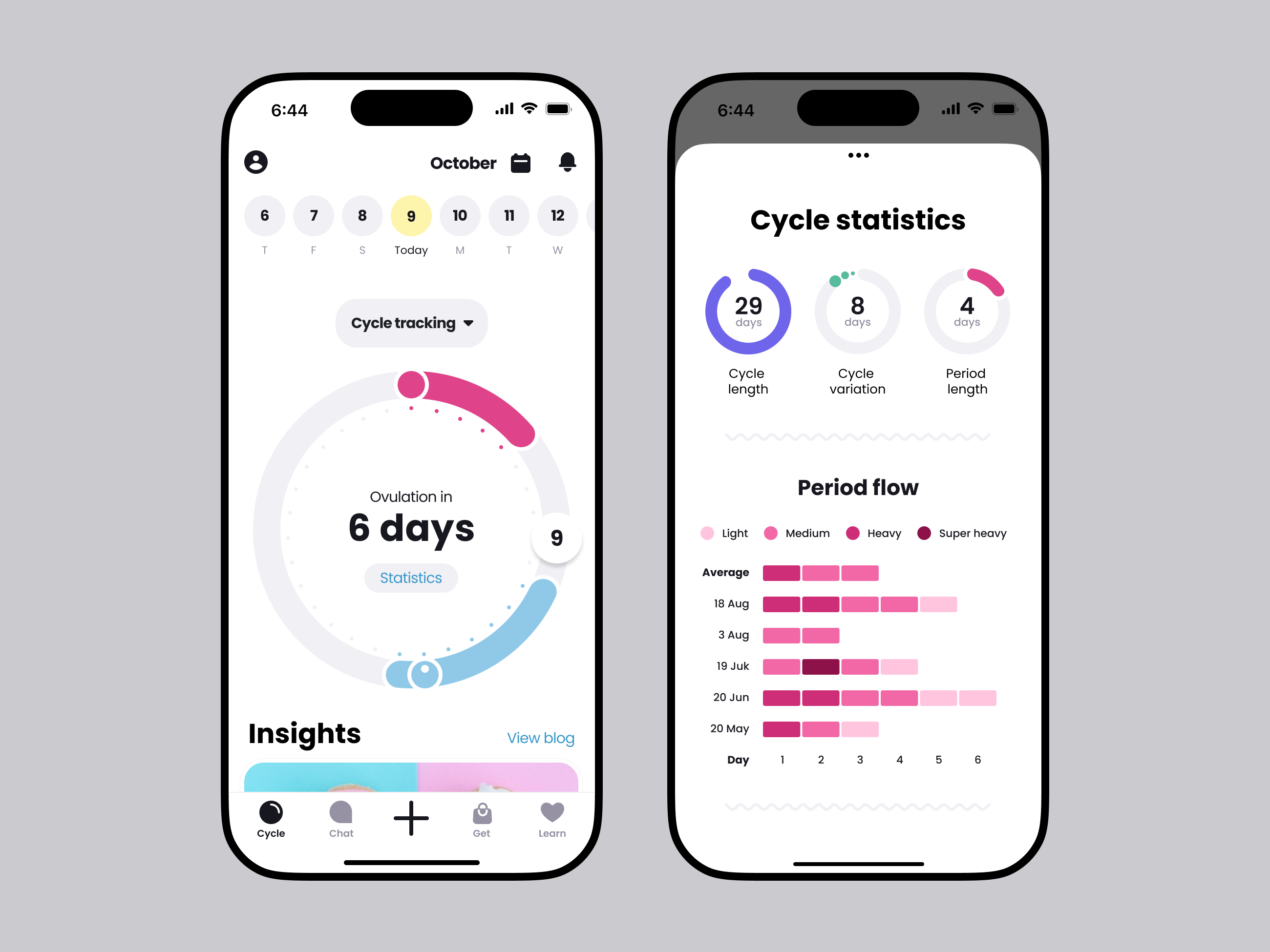
Decoding Your Data: AI Algorithms at Work
Machine learning algorithms are central to this shift. They learn from data, improving pattern identification and predictions with more analysis. For period tracking, this means analyzing more than just cycle length and flow.
AI apps integrate many data points: sleep patterns (duration, quality), activity levels (from smartphones or wearables), mood tracking (daily check-ins), and dietary information.
Algorithms analyze pain levels, which users rate on a scale. The AI looks for correlations between pain and other data. MedlinePlus notes that period pain (dysmenorrhea) varies greatly and is influenced by many factors. AI aims to untangle these factors for each individual.
A 'personalized baseline' is key. The AI establishes your normal sleep, activity, mood, and pain levels throughout your cycle, then looks for deviations. NCBI’s InformedHealth.org explains that recognizing individual patterns is key to managing period pain. This is about understanding your unique cycle, not a one-size-fits-all approach.
- Sleep Patterns: Duration, quality, and consistency.
- Activity Levels: Steps taken, exercise intensity, and overall movement.
- Mood Tracking: Daily emotional check-ins.
- Dietary Information: Food intake and its potential impact on symptoms.
- Pain Levels: Self-reported pain intensity throughout the cycle.
Predicting Pain: From Forecasting to Prevention
Predicting the likelihood and intensity of cramps, not just when your period starts, is a major step. AI algorithms analyze historical data to identify patterns preceding painful periods. For example, if high stress consistently leads to increased pain, the AI can learn to anticipate this connection.
Current predictive models have limitations; they aren't perfect. Individual variability is significant, and factors like stress, diet, and health conditions influence period pain. Accuracy will likely improve with more data and sophisticated algorithms.
The real promise is using predictions for prevention. If the AI forecasts a painful period, it can suggest strategies to mitigate symptoms, like recommending magnesium intake for muscle cramps or gentle exercise (yoga) to improve blood flow and reduce tension.
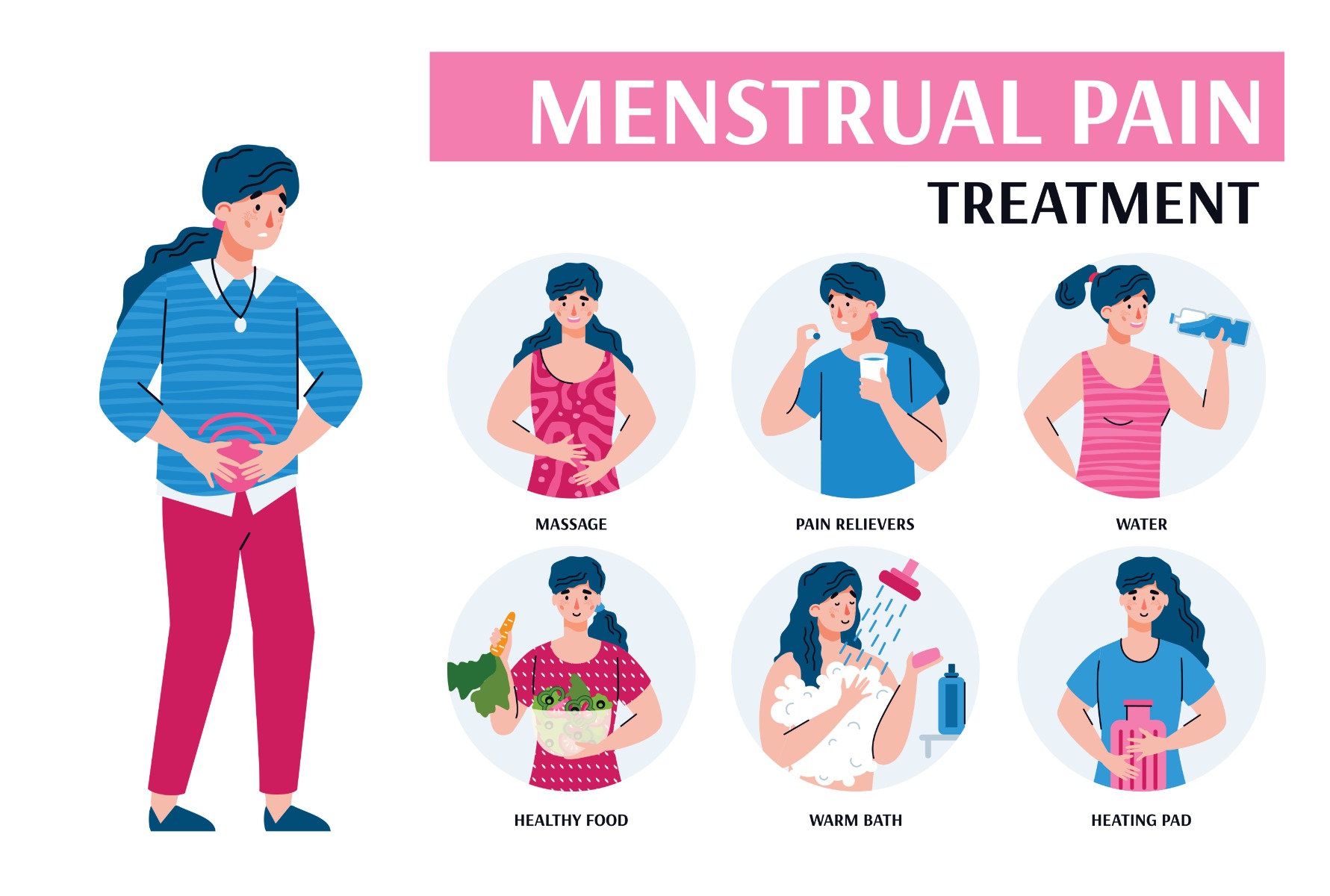
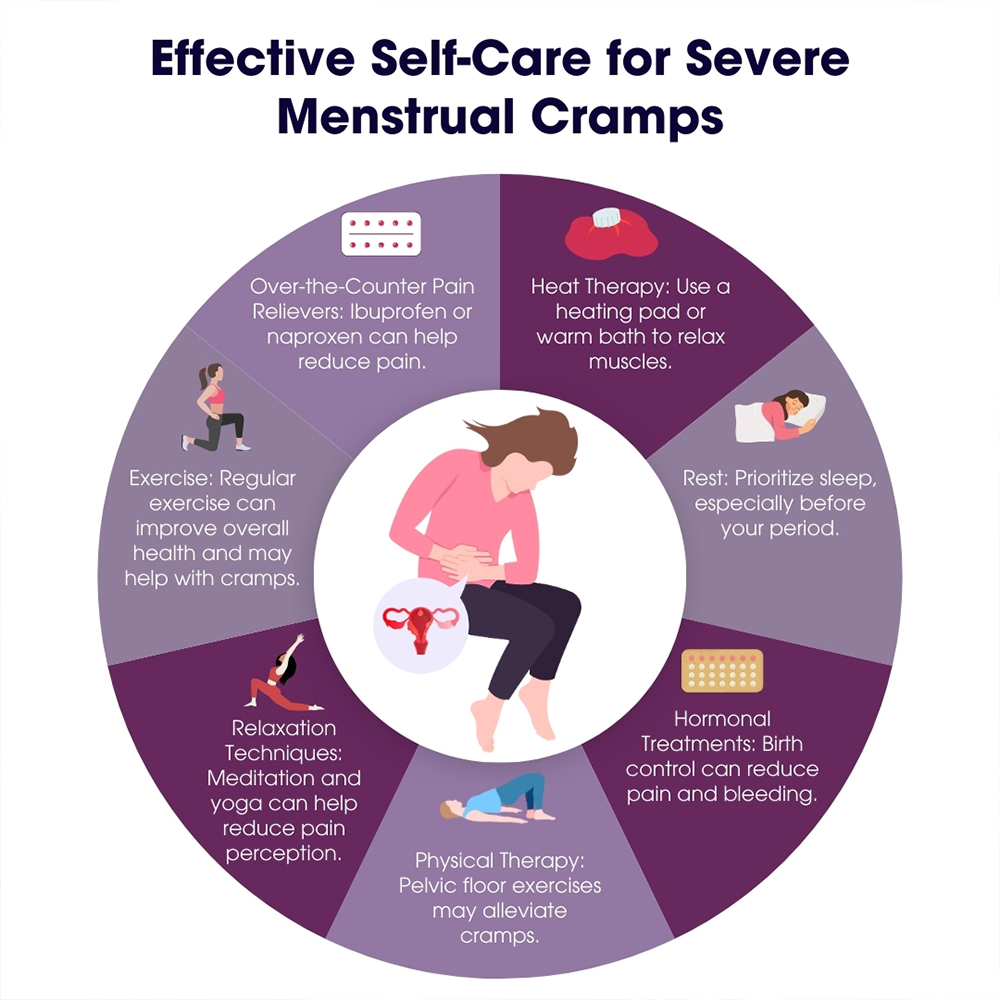
The Mayo Clinic emphasizes self-care for menstrual cramps. AI can personalize strategies, suggesting heat therapy, pain relievers, or daily routine adjustments based on individual needs and predicted pain. This approach is proactive, not reactive.
Wearables & Biofeedback: The Next Layer of Insight
Integrating period tracking apps with wearables (smartwatches, fitness trackers, continuous glucose monitors) opens new possibilities. These devices provide constant physiological data for a more complete picture of a user’s cycle and pain levels.
Heart rate variability (HRV) indicates stress and well-being. Skin temperature changes can signal hormonal fluctuations. Wearable-tracked sleep quality is strongly linked to menstrual health. Combining this data with app inputs creates a detailed profile of each individual’s cycle.
This data also enables biofeedback techniques, where users learn to control physiological responses like heart rate and muscle tension. AI-guided biofeedback apps offer real-time feedback for managing pain through breathing exercises or muscle relaxation.
An app could detect increased heart rate and muscle tension signaling a cramp, then guide you through a personalized breathing exercise to calm your nervous system and reduce pain intensity. This is the potential of combining AI with wearables and biofeedback.
undefined provides a level of insight that was previously unavailable. It moves beyond self-reporting and provides objective data that can be used to understand and manage menstrual health more effectively. However, it’s important to remember that wearable data isn’t always perfect and should be interpreted in conjunction with other information.
Personalized Relief: AI-Driven Recommendations
The future of AI-powered period tracking isn’t just about prediction; it’s about personalized relief. This goes beyond suggesting generic remedies like “drink more water” or “take an ibuprofen.” AI has the potential to analyze a user’s data and suggest specific types of exercise, dietary changes, or even over-the-counter pain relief options that are most likely to be effective for them.
For example, if the AI detects that your pain is consistently worse after consuming dairy products, it might suggest experimenting with a dairy-free diet. If it notices a correlation between low activity levels and increased pain, it could recommend a gentle walking routine. This level of personalization is a game-changer.
However, it’s essential to acknowledge the ethical considerations of providing medical-adjacent advice. AI should not be used to diagnose or treat medical conditions. Instead, it should be used to provide personalized recommendations that complement, rather than replace, the advice of a healthcare professional.
The best AI-powered apps will clearly state that their recommendations are not a substitute for medical care and will encourage users to consult with a doctor if they have any concerns. Transparency and responsible AI development are crucial to building trust and ensuring that this technology is used safely and effectively.
Matching Relief Methods to Pain Characteristics
| Pain Type | Pain Intensity | User Preference | Potential Relief Method | Likelihood of Benefit |
|---|---|---|---|---|
| Cramps | Mild | Natural Remedies | Heat Therapy | Likely Helpful |
| Cramps | Moderate | Medication | NSAIDs | Likely Helpful |
| Cramps | Severe | Medication | NSAIDs | Likely Helpful |
| Bloating | Mild | Natural Remedies | Gentle Yoga | Potentially Helpful |
| Headache | Moderate | Natural Remedies | Magnesium Supplements | Potentially Helpful |
| Fatigue | Mild | Natural Remedies | Gentle Yoga | Potentially Helpful |
| Cramps | Moderate | Physical Therapy | Acupuncture | Potentially Helpful |
| Headache | Severe | Medication | NSAIDs | Potentially Helpful |
Illustrative comparison based on the article research brief. Verify current pricing, limits, and product details in the official docs before relying on it.
The Role of AI in Diagnosing Underlying Issues
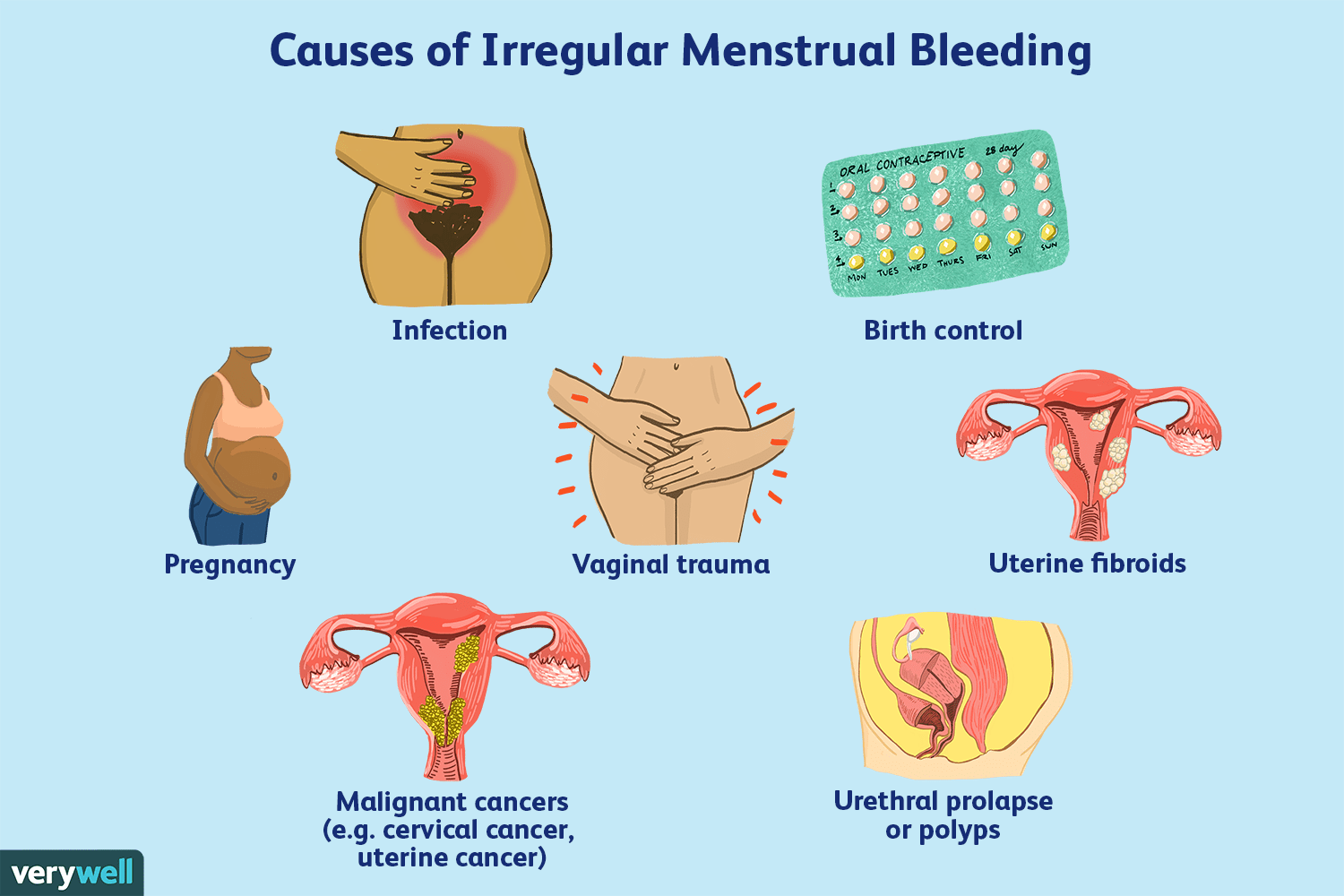
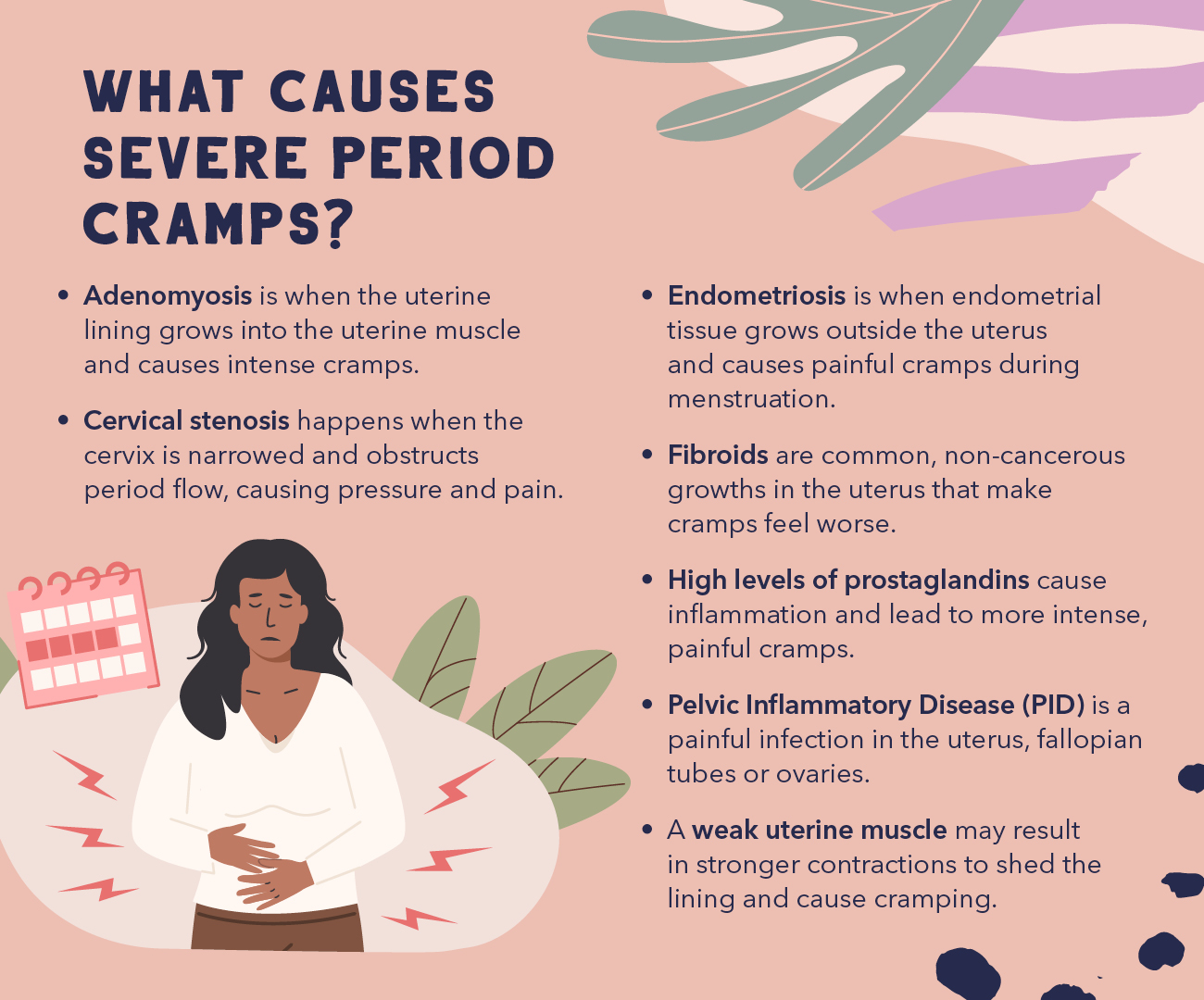
While AI shouldn’t be used for self-diagnosis, it could play a role in helping to identify underlying conditions that may be contributing to severe period pain. Conditions like endometriosis, fibroids, and PCOS can cause debilitating cramps, and early diagnosis is crucial for effective management.
AI algorithms can analyze a user’s data for patterns that might suggest the presence of these conditions. For example, consistently heavy bleeding, prolonged periods, and severe pain that doesn’t respond to over-the-counter remedies could be red flags. The AI could then flag these patterns and recommend that the user consult with a doctor.
It’s vital to emphasize that AI is not a substitute for a doctor. It can’t perform a physical exam or order diagnostic tests. However, it can potentially accelerate the diagnostic process by helping to identify patterns that might otherwise be missed. Responsible AI development requires avoiding misdiagnosis and ensuring users understand the limitations of the technology.
The goal isn’t to replace healthcare professionals, but to empower individuals to take control of their health and advocate for themselves. By providing data-driven insights, AI can help users have more informed conversations with their doctors and receive the care they need.
Privacy & Data Security: A Critical Conversation
The collection and analysis of sensitive personal data – including menstrual cycle information – raise serious privacy concerns. Period tracking apps have access to incredibly intimate details about your body and your health, and it’s essential to understand how that data is being used and protected.
Data breaches are a constant threat, and a breach of a period tracking app could have significant consequences. This data could be used for discriminatory purposes, such as denying insurance coverage or employment opportunities. It could also be used for targeted advertising or other unwanted marketing.
When choosing a period tracking app, it’s crucial to carefully review its privacy policy. Look for apps that use strong encryption to protect your data and that are transparent about how they collect, use, and share your information. Avoid apps that sell your data to third parties.
The need for greater transparency from app developers is paramount. Users deserve to know exactly what data is being collected, how it’s being used, and who has access to it. Regulatory oversight may also be necessary to ensure that period tracking apps are adhering to strict privacy standards.
How comfortable are you sharing your period data with an AI-powered tracking app?
As AI-driven period tracking tools become more advanced in predicting and managing menstrual cramps, we want to hear from our Periuod community. Your response helps us understand how people feel about the intersection of technology and menstrual health. Vote below and see real-time results!
Looking Ahead: AI & Menstrual Health in 2026
By 2026, we can expect to see significant advancements in AI-powered period tracking. Algorithms will become more sophisticated, capable of analyzing even more data points and providing even more personalized insights. The integration of new data sources, such as genetic testing, could further enhance predictive accuracy.
We may also see the development of more targeted pain management strategies, tailored to an individual’s unique genetic makeup and physiological profile. AI could potentially identify specific biomarkers that predict a person’s response to different types of pain relief.
Continued research is essential to unlock the full potential of AI in menstrual health. We need more studies to validate the effectiveness of AI-powered tools and to address the ethical considerations surrounding data privacy and security. Addressing disparities in menstrual health access and care is also a critical priority.
Ultimately, the goal is to empower individuals to take control of their menstrual health and live their lives to the fullest. AI has the potential to be a powerful tool in achieving that goal, but it must be developed and used responsibly and ethically.
No comments yet. Be the first to share your thoughts!