
Beyond Disposables: A New Era
There’s a quiet revolution happening in period care. More and more people are questioning the status quo of disposable pads and tampons, driven by growing environmental awareness and a desire for healthier, more comfortable options. It’s not hard to see why – the sheer volume of waste generated by conventional period products is staggering. An estimated 4.6% of global waste is menstrual products.
Beyond the landfill issue, there are concerns about what’s in those products. Many disposable pads and tampons contain plastics, fragrances, and even traces of pesticides, raising questions about potential health impacts. This shift isn’t just about being "green’; it"s about taking control of our bodies and making informed choices. It's a move toward a more sustainable and self-directed approach to menstrual health.
This guide will focus on two leading contenders in the sustainable period product space: menstrual cups and reusable pads. We’ll explore how they work, the benefits they offer, and what to consider when making the switch. It’s a big change, but one that many are finding well worth it.
Menstrual Cups: A Deep Dive
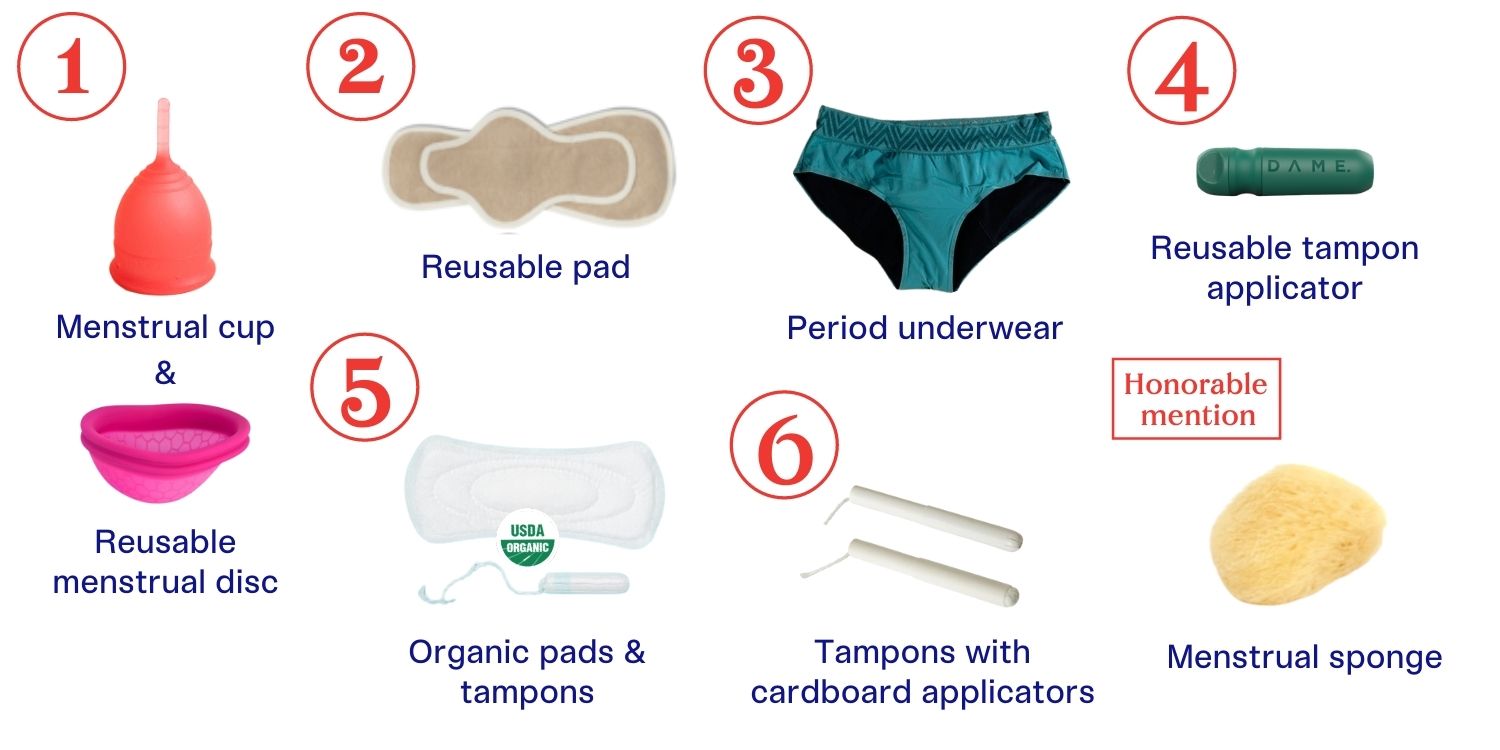
Menstrual cups are small, flexible cups typically made from medical-grade silicone or TPE (thermoplastic elastomer). They’re inserted into the vagina to collect menstrual fluid, rather than absorbing it like a tampon. This means they can be worn for up to 12 hours, depending on your flow, and can last for years with proper care. They create a seal, preventing leaks and offering a surprisingly discreet experience once you get the hang of it.
Choosing the right cup involves considering several factors. Size is key – generally, people with heavier flows or who have given birth vaginally may prefer a larger size, while those with lighter flows or who haven’t given birth may find a smaller size more comfortable. Firmness also varies; softer cups are more comfortable for some, while firmer cups may pop open more easily. Cervix height is another consideration, though it’s often something you’ll learn through trial and error.
Insertion can take practice. Folding the cup into a "C" fold or a punch-down fold can make it easier to insert. Once inserted correctly, the cup should open and create a seal. Removal also requires a bit of practice – gently pinching the base of the cup breaks the seal, allowing you to remove it. Thorough cleaning with mild soap and water after each use is essential. Saalt.com claims their menstrual cups can last up to 10 years, which is a significant cost saving over time.
A common concern is around insertion and removal. It absolutely takes practice. Don’t be discouraged if it doesn’t click right away. There are tons of videos online demonstrating different folding techniques and insertion angles. Start slow, and be patient with yourself. Many people find that once they’ve mastered the technique, it becomes second nature.
Flex Cup offers a unique design with a patented pull-tab, aiming to simplify removal. This can be particularly helpful for those who struggle with traditional cup removal methods. Exploring different brands and designs is a great way to find a cup that suits your body and lifestyle.
Reusable Pads: Comfort and Convenience
Reusable cloth pads are a fantastic alternative to disposable pads, offering a comfortable and eco-friendly period experience. They’re typically made from layers of absorbent fabric, such as cotton, bamboo, or hemp, and often have a waterproof backing to prevent leaks. They come in a variety of styles, including liners for light days, regular pads for moderate flow, and overnight pads for heavier flow.
One of the biggest benefits of reusable pads is their comfort. They’re often softer and more breathable than disposable pads, reducing irritation and discomfort. They’re also a significant cost saver in the long run, and of course, they drastically reduce waste. Many people also appreciate the peace of mind knowing exactly what materials are against their skin.
However, reusable pads do require a bit more effort. They need to be rinsed after use and then machine washed and dried. While this may seem like a chore, it’s relatively simple and can easily be incorporated into your laundry routine. Some people worry about odor, but proper washing and drying typically prevent this from being an issue.
In terms of absorbency, reusable pads can be just as effective as disposable pads. The absorbency level depends on the number of layers and the type of fabric used. They're available in a wide range of absorbencies to suit different flows, and many brands offer pads with wings for added security. Choosing the right style and absorbency is key to preventing leaks.
Health & Safety: What the Research Says
When it comes to menstrual cups, a primary health concern is the risk of Toxic Shock Syndrome (TSS). However, the risk with menstrual cups is considered to be significantly lower than with tampons, as cups collect fluid rather than absorb it, minimizing the risk of bacterial growth. Cleveland Clinic emphasizes the importance of proper cleaning and hygiene – thoroughly washing the cup with soap and water after each use is crucial.
Allergic reactions are a possibility with both menstrual cups and reusable pads. Some people may be sensitive to the silicone or TPE used in cups, or to the dyes or fabrics used in pads. If you experience any irritation or discomfort, discontinue use and consult a healthcare professional. Choosing hypoallergenic materials can help minimize the risk of allergic reactions.
Reusable pads can also offer a health benefit by reducing exposure to the chemicals found in many disposable pads, such as dioxins, fragrances, and adhesives. These chemicals have been linked to various health concerns, including hormone disruption and skin irritation. By opting for reusable pads, you're choosing a more natural and potentially healthier option.
It’s important to remember that maintaining good hygiene is paramount with any menstrual product. Wash your hands thoroughly before and after inserting or removing a menstrual cup or changing a reusable pad. Store your cup and pads in a clean, dry place when not in use.
Top Menstrual Cups & Reusable Pads (2026)
The market for sustainable period products is booming, with new options emerging all the time. Here’s a rundown of some highly-rated menstrual cups and reusable pads as of 2026. Prices are approximate and can vary depending on retailer and sales.
Menstrual Cups:
1. Saalt Cup: ($29 - $35) Medical-grade silicone, available in multiple sizes and colors. Known for its comfort and leak resistance. User reviews consistently praise its ease of use.
2. Flex Cup: ($35 - $40) Features a patented pull-tab for easy removal. Offers a comfortable and discreet experience. Excellent for first-time cup users.
3. DivaCup: ($39 - $45) One of the original menstrual cups, made from healthcare-grade silicone. Available in three sizes. A reliable and popular choice.
4. Lena Cup: ($25 - $30) Made from medical-grade silicone, with a focus on sustainability. Offers a "buy one, give one" program.
5. Mooncup: ($30 - $35) UK-based brand known for its commitment to sustainability. Made from medical-grade silicone. Offers a range of sizes.
Reusable Pads:
1. Rael Organic Cotton Reusable Pads: ($15 - $20 for a pack of 3) Made from organic cotton, incredibly soft and comfortable. Great for sensitive skin.
2. Charlie Banana Reusable Pads: ($18 - $25 for a pack of 6) Available in a variety of styles and absorbencies. Waterproof backing for leak protection.
3. GladRags Reusable Pads: ($15 - $22 per pad) Offers a wide range of sizes and styles, including liners, regular, and overnight pads. Long-lasting and durable.
4. Aisle (formerly Lunapads) Reusable Pads: ($18 - $28 for a pack of 3) Known for their innovative designs and comfortable fit. Eco-friendly and sustainable.
5. Bamboo Basics Reusable Pads: ($12 - $18 for a pack of 5) Made from bamboo, which is naturally antibacterial and hypoallergenic. Soft and absorbent.
Featured Products

Medical-grade silicone menstrual cup designed for medium to heavy flow. · Includes Diva Wash for effective cleaning and sterilization of the cup. · Reusable and eco-friendly alternative to disposable period products.
This combo pack provides a complete solution for sustainable period care, including a reliable menstrual cup and a dedicated cleaner.

Comfortable, reusable menstrual cup made from BPA and latex-free materials. · Offers up to 12 hours of leak-free protection. · Comes with a convenient carry bag for portability.
The Saalt Menstrual Cup is a comfortable and reliable option for extended wear, promoting a sustainable and worry-free period experience.

Set of 6 reusable cloth menstrual pads with ultra-absorbent material for heavy flow. · Includes a nonslip panty liner design for security. · Comes with a convenient bag for storage and transport.
Wegreeco reusable pads offer an absorbent and secure eco-friendly option for managing heavy flows, suitable for teens and women.

Upgraded menstrual cup steamer sterilizer for effective cleaning. · Includes two reusable menstrual cups. · Provides a complete kit for sterilizing and managing period cups.
This kit offers an efficient and hygienic way to sterilize menstrual cups, ensuring their longevity and promoting sustainable menstrual practices.

Pack of two ultra-soft menstrual cups made from medical-grade silicone. · Designed for light and medium flow, offering 12-hour leak-free comfort. · Reusable feminine care product for sustainable period management.
The LENA Soft & Ultra-Soft Menstrual Cups provide a comfortable and reliable option for lighter flows, emphasizing leak-free protection and reusability.
As an Amazon Associate I earn from qualifying purchases. Prices may vary.
Cost Breakdown: Long-Term Savings
Let’s break down the costs. The initial investment for a menstrual cup ranges from $25 to $45. However, with proper care, a cup can last up to 10 years, potentially saving you hundreds of dollars compared to the ongoing cost of disposable tampons and pads. The average person spends around $150 - $300 per year on disposable period products.
Reusable pads have a lower upfront cost, typically around $15 to $30 for a set of 3-6 pads. These pads will need to be replaced every few years, but the replacement cost is still significantly lower than the ongoing cost of disposables. Factoring in laundry expenses (water and electricity), the overall cost is still much lower.
Here’s a rough estimate of the savings over time:
One Year: Menstrual Cup: $35 (initial cost) vs. $200 (disposables). Savings: $165; Reusable Pads: $60 (initial cost + laundry) vs. $200 (disposables). Savings: $140
Five Years: Menstrual Cup: $35 (initial cost) vs. $1000 (disposables). Savings: $965; Reusable Pads: $150 (initial + replacements + laundry) vs. $1000 (disposables). Savings: $850
Ten Years: Menstrual Cup: $35 (initial cost) vs. $2000 (disposables). Savings: $1965; Reusable Pads: $300 (initial + replacements + laundry) vs. $2000 (disposables). Savings: $1700
Estimated Total Cost of Ownership: Period Products (1, 5, and 10 Year Projections)
| Product Type | Initial Cost (USD) | Ongoing Costs (USD) | Total Cost (USD) - 1 Year | Total Cost (USD) - 5 Years | Total Cost (USD) - 10 Years |
|---|---|---|---|---|---|
| Disposable Pads | 20-50 (annual) | 60-180 (annual) | 80-230 | 400-900 | 800-1800 |
| Reusable Pads (Set of 5-8) | 30-60 | 0-20 (detergent, occasional replacement) | 30-80 | 150-300 | 300-600 |
| Menstrual Cup (Silicone) | 20-40 | 0-10 (cleaning solution, occasional replacement) | 20-50 | 100-200 | 200-400 |
| Menstrual Disc (Silicone) | 30-50 | 0-10 (cleaning solution, occasional replacement) | 30-60 | 150-250 | 300-500 |
| Period Underwear (1-2 pairs) | 20-40 per pair | Laundry costs | 40-80 + laundry | 200-400 + laundry | 400-800 + laundry |
Illustrative comparison based on the article research brief. Verify current pricing, limits, and product details in the official docs before relying on it.
The Future of Sustainable Periods
The sustainable period product market is constantly evolving. We’re seeing the emergence of biodegradable disposable pads made from plant-based materials, offering a more eco-friendly alternative to traditional plastic-based pads. Period underwear, made from absorbent fabrics like organic cotton and bamboo, is also gaining popularity.
Advancements in menstrual cup design are focused on improving comfort, ease of use, and leak protection. We may see more cups with innovative features, such as self-sterilizing capabilities or personalized sizing options. Technology also plays a role, with apps and wearables designed to track your cycle and predict your flow.
The future of period care is likely to be more personalized and sustainable. We can anticipate a wider range of options to suit individual needs and preferences, and a continued focus on reducing environmental impact. It’s an exciting time for innovation in this space.
No comments yet. Be the first to share your thoughts!