

Beyond Leakproof: The Evolution of Period Swimwear
I remember the dread. That familiar pre-period anxiety creeping in before a beach trip. Would I be surprised? Would I ruin a fun day because I hadn’t anticipated my cycle? For generations, managing menstruation during swimming involved awkward timing, unreliable makeshift solutions, or simply missing out. We’ve all been there, or know someone who has.
Early attempts to address this involved waterproof pads, but these were bulky and often ineffective. Tampons offered a solution for some, but weren’t ideal for everyone, and raised concerns about prolonged use in water. The first generation of period swimwear, appearing in the late 2010s, offered a step forward, but early designs often lacked both comfort and reliable protection. They were a start, but felt…compromised.
The core problem was always about dignity and freedom. Existing solutions were either uncomfortable, unreliable, or created unnecessary waste. Now, we’re in the midst of a revolution driven by advancements in "smart fabrics’ designed to absorb menstrual flow discreetly and effectively. It"s a genuinely exciting time for menstrual wellness, and for anyone who loves to swim.
These aren’t just swimsuits that contain a period; they’re designed to let you forget you even have one. It's about reclaiming activities without the constant worry or inconvenience. The evolution isn’t just about technology, it’s about changing the conversation around periods and empowering people to live their lives fully.
The Science Behind the Swim: What *Are* Smart Fabrics?
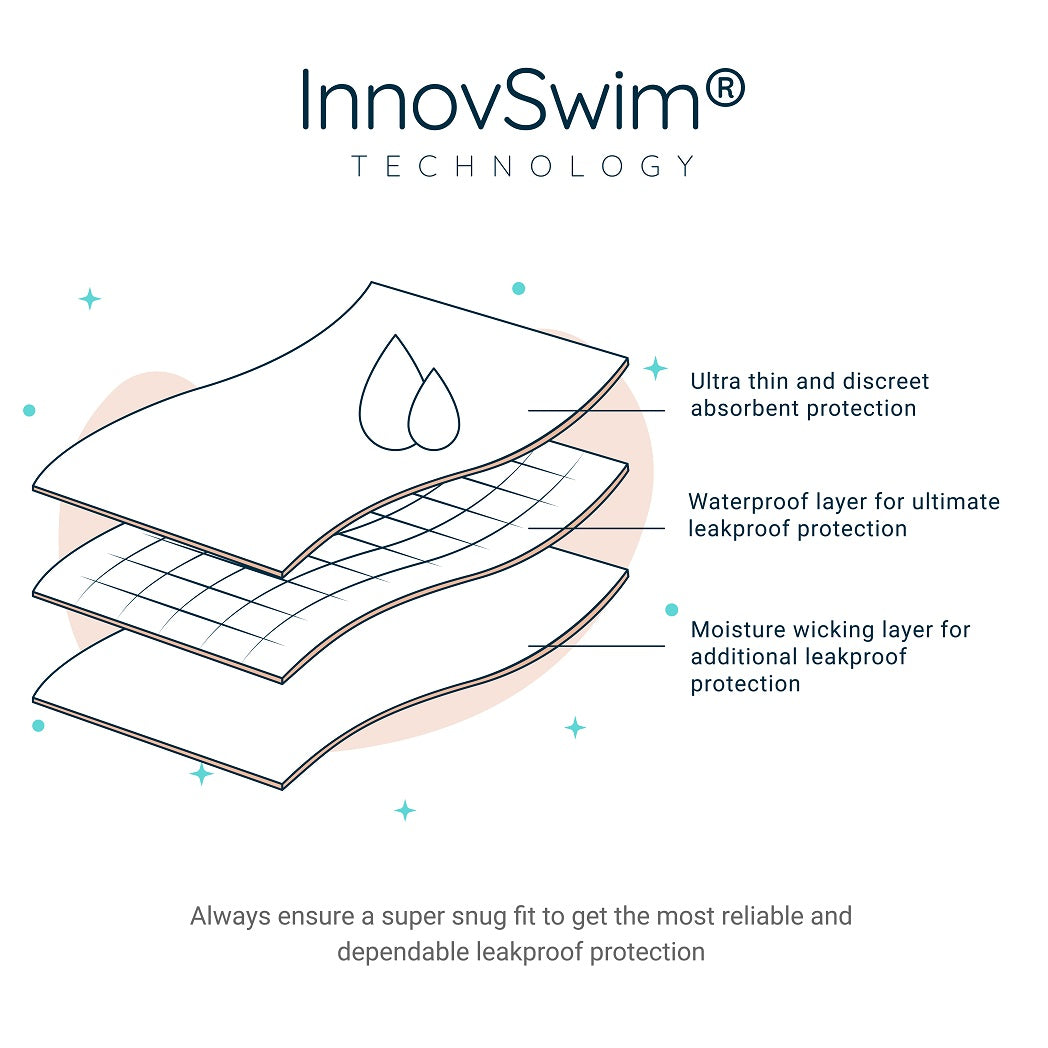
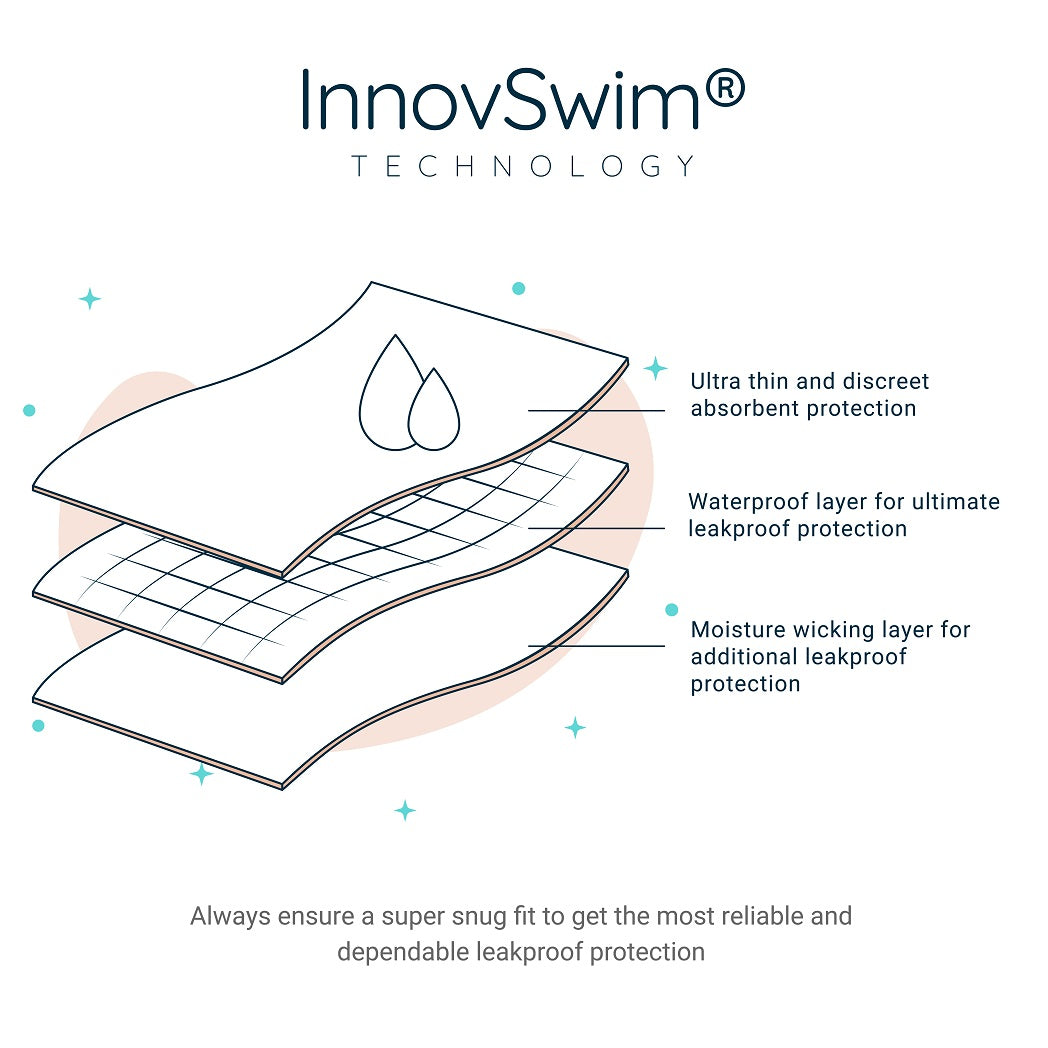
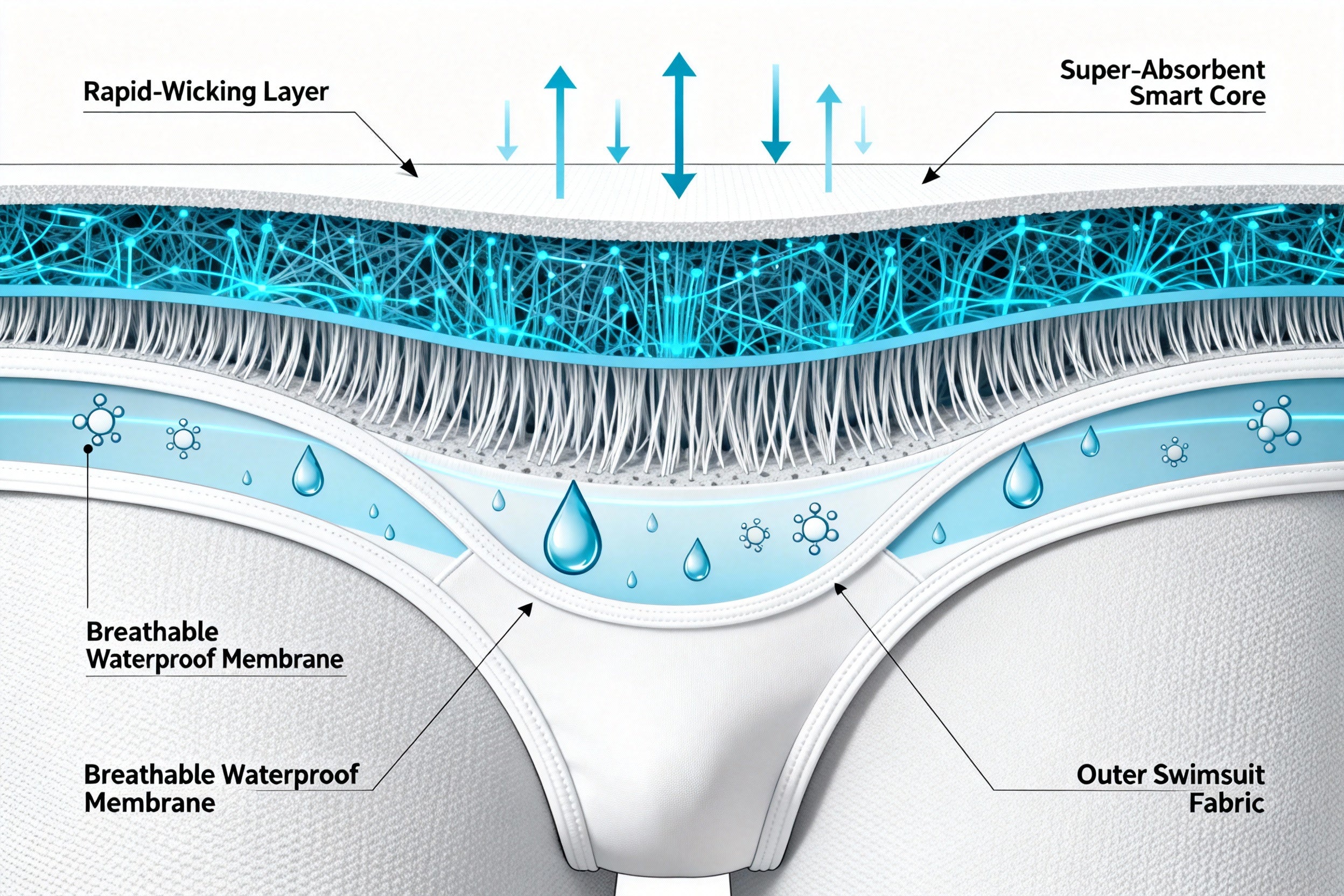
Period swimwear isn’t just a waterproof layer; it’s a carefully engineered system. Most designs incorporate three key layers: a moisture-wicking outer layer, an absorbent core, and a leakproof barrier. The outer fabric is often made from materials like nylon or spandex, chosen for their quick-drying properties and durability. This layer needs to feel comfortable against the skin, even when wet.
The absorbent core is where the real innovation lies. Materials like PUL (polyurethane laminate) are commonly used to create a waterproof yet breathable layer that prevents leaks. Many brands, like Modibodi, are also incorporating bamboo charcoal into their absorbent layers. Bamboo charcoal is naturally antibacterial and offers excellent absorbency, plus it’s a renewable resource. Other materials include microfiber and specialized polymer blends.
The effectiveness of these fabrics depends on their ability to quickly absorb and lock away fluid. Quick-drying properties are also crucial. No one wants to feel waterlogged and uncomfortable for hours. The best fabrics maintain their absorbency even after repeated use and washing. They also need to be breathable to prevent overheating and irritation.
It’s not just about absorbency, either. The construction of the fabric matters. Some designs utilize multiple layers of absorbent material strategically placed within the swimsuit to maximize capacity and prevent bunching. The goal is to create a comfortable, discreet, and reliable experience. It’s a delicate balance of science and design.
- Moisture-wicking outer layer: Keeps you dry and comfortable.
- Absorbent core: Absorbs menstrual flow.
- Leakproof barrier: Prevents leaks.
Common Period Swimwear Fabric Combinations - A Comparative Overview
| Fabric Combination | Absorbency Level | Comfort (1-5, 5=Highest) | Quick-Drying | Environmental Impact |
|---|---|---|---|---|
| PUL + Microfiber | Medium | 3 | Yes | Medium |
| Bamboo Charcoal + PUL | High | 4 | Yes | Medium |
| Organic Cotton + PUL | Medium | 5 | No | Low |
| Recycled Polyester + TPU | Low | 3 | Yes | Low |
| Microfleece + PUL | Medium | 4 | No | Medium |
| Hemp + PUL | Medium | 4 | No | Low |
Illustrative comparison based on the article research brief. Verify current pricing, limits, and product details in the official docs before relying on it.
Modibodi, Period. Co, and the Expanding Market: Who's Leading the Charge?
The period swimwear market is growing rapidly, with several key players leading the charge. Modibodi, an Australian brand, is well-known for its range of leakproof apparel, including a comprehensive line of period swimwear. They offer various styles, from bikinis to one-pieces, with different absorbency levels to suit different flows. Their pricing generally ranges from $79 to $149 per suit.
The Period Company, known for its organic cotton period underwear, also offers period swimwear. Their "The Bikini Period" is designed for light to moderate flows and emphasizes comfort and sustainability. They focus on using organic cotton, aiming for a more eco-friendly option, priced around $89. Both brands offer multiple sizes and styles to cater to a wide range of body types.
Snuggs is another brand gaining traction, offering absorbent period swimwear with a focus on comfort and affordability. Their Classic Heavy Absorption swimsuits are priced around $29 (USD), making them a more accessible option for some. They offer a wide range of sizes, including extended sizes, which is a significant benefit.
Styles range from classic bikini cuts to more modest one-pieces and swim shorts. Bikinis are popular for their versatility, while one-pieces offer more coverage and support. Swim shorts are a good option for active pursuits. Innovative features include adjustable straps, higher waistbands for added security, and seamless designs for a smoother fit. It really comes down to personal preference and activity level.
- Modibodi: Wide range of styles, various absorbency levels, $79-$149.
- The Period Company: Organic cotton, light to moderate flow, $89.
- Snuggs: Affordable, wide size range, $29 (USD).
Top-Rated Period Swimwear for Your Next Swim
Built-in absorbent and leak-proof technology · High-waisted design for comfort and coverage · Odor-neutralizing and antimicrobial fabric
This option provides reliable period protection with a comfortable and flattering high-waisted design, perfect for confident swimming.
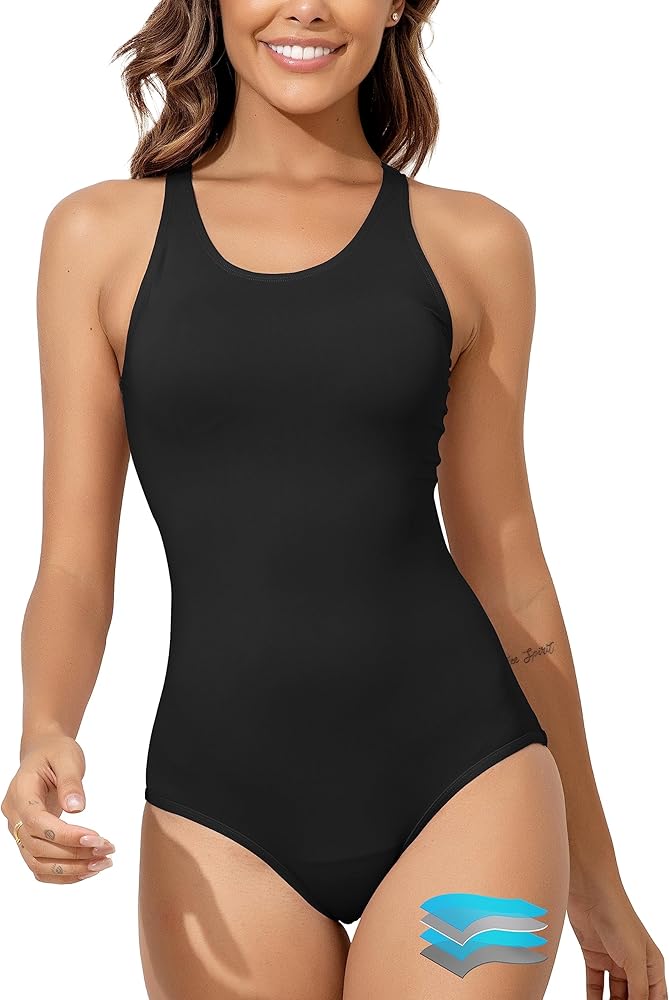
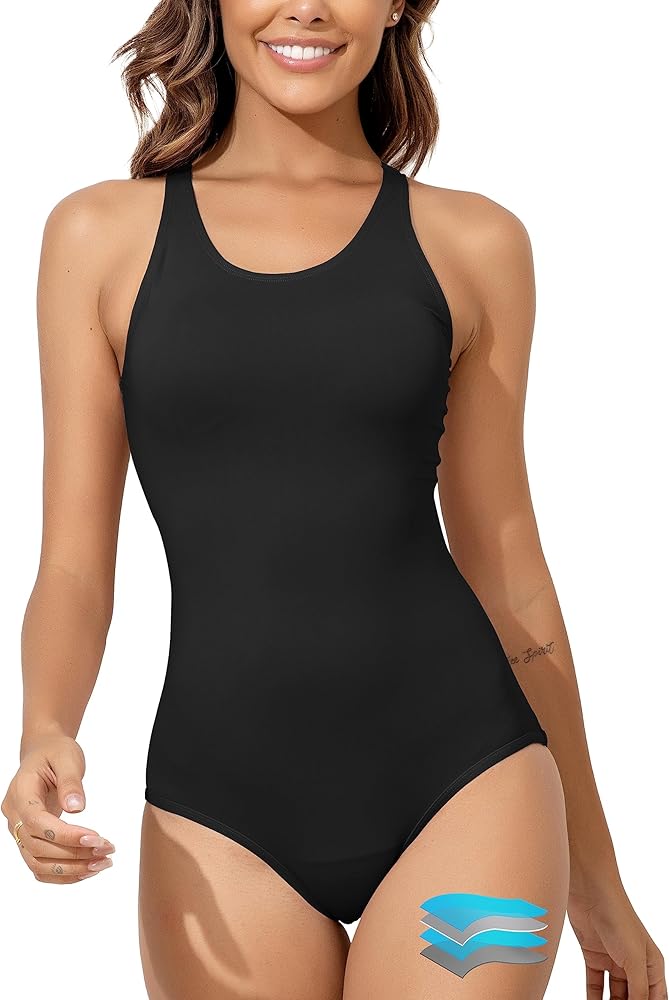
Integrated leak-proof gusset · Supportive X-back design · Made from recycled materials
The TomboyX one-piece offers a secure and stylish solution for swimming on your period, with a focus on comfort and sustainability.
Three-layer leak-proof technology · Available in various styles including one-piece and tankini · Quick-drying and breathable fabric
Aisun offers a range of period-friendly swimwear with effective leak protection, providing versatile options for different preferences.
Patented leakproof technology · Full body coverage and comfortable fit · Odor-eliminating and antimicrobial
Knix is a trusted brand in period-proof apparel, and their one-piece swimsuit delivers discreet, reliable protection for worry-free swimming.
As an Amazon Associate I earn from qualifying purchases. Prices may vary.
Beyond the Beach: Activity-Specific Period Swimwear
Not all swimming is created equal, and neither is period swimwear. The demands placed on a swimsuit during a high-impact activity like surfing are very different from those during a leisurely swim. Brands are beginning to recognize this and offer swimwear designed for specific activities. For example, a surfer needs a suit that stays securely in place, even during wipeouts.
For high-impact activities, look for swimwear with a tighter fit, wider leg openings, and potentially a built-in tie or drawstring. Higher absorbency is also important, as strenuous activity can sometimes increase flow. Modibodi’s collaboration with West Ham United, creating leak-proof sportswear for athletes, exemplifies this trend – demonstrating the need for robust protection during intense physical activity.
For relaxed activities like lounging by the pool or swimming laps, comfort and discretion are often the priority. A looser fit and a less bulky absorbent core may be preferable. The Period Company's focus on organic cotton aligns well with this preference for comfort and breathability. It’s about finding the right balance between protection and comfort.
Ultimately, the best activity-specific swimwear will depend on your individual needs and preferences. Consider the intensity of the activity, your flow level, and your desired level of comfort and support. Don’t be afraid to experiment with different styles and brands to find what works best for you.
The Environmental Impact: A Sustainable Splash?
The environmental impact of period swimwear is a complex issue. Compared to disposable period products like pads and tampons, period swimwear is undeniably more sustainable. Disposable products contribute significantly to landfill waste and often contain plastic components. Reusable swimwear reduces this waste substantially. However, the production of period swimwear itself isn’t without environmental consequences.
The materials used in period swimwear, such as nylon and polyurethane, are often derived from fossil fuels. The manufacturing process can also consume significant amounts of water and energy. Brands are increasingly exploring more sustainable materials, like recycled nylon and organic cotton. The Period Company’s commitment to organic cotton is a positive step in this direction.
Biodegradability is a major challenge. While organic cotton is biodegradable, the waterproof layers in most period swimwear are not. Some brands are experimenting with biodegradable waterproof membranes, but these are still in the early stages of development. Ethical manufacturing practices are also crucial. Consumers should look for brands that prioritize fair labor standards and responsible sourcing.
It’s important to be realistic. Period swimwear isn't a perfect solution, but it’s a significantly more sustainable option than disposable products. The key is to choose brands that are actively working to minimize their environmental footprint and to care for your swimwear properly to extend its lifespan. We need to keep demanding more sustainable options from manufacturers.
Period Swimwear Material & User-Reported Considerations (Based on Reddit Discussion & Brand Information - 2024)
| Material Composition | Reported Absorbency Level | Sustainability Concerns (Reddit User Feedback) | Typical Price Range (USD) |
|---|---|---|---|
| Polyester/Elastane Blend with TPU Layer (e.g., Modibodi) | Light to Moderate Flow | Concerns regarding microplastic shedding during washing; lifespan of waterproof layer degradation. | Not explicitly stated in provided sources, but similar swimwear ranges from $70 - $150 |
| Organic Cotton with Waterproof Lining (e.g., period.co) | Light Flow/Spotting | Positive feedback on biodegradability of cotton, but questions about the waterproof lining material's impact. | Not explicitly stated in provided sources, but similar swimwear ranges from $60 - $120 |
| Recycled Nylon/Spandex with Absorbent Core | Moderate to Heavy Flow | Discussion around the energy intensity of recycling nylon, and the potential for 'greenwashing'. | Not explicitly stated in provided sources, but similar swimwear ranges from $80 - $160 |
| Polyester/Spandex with Charcoal Bamboo Fiber | Moderate Flow | Some users question the effectiveness of bamboo as an absorbent material and its processing impacts. | Not explicitly stated in provided sources, but similar swimwear ranges from $75 - $140 |
| Polyurethane Laminate (PUL) based fabrics | Moderate Flow | Concerns about the durability of the laminate and potential for delamination over time; plastic-based material. | Not explicitly stated in provided sources, but similar swimwear ranges from $65 - $130 |
| Blend of Recycled Polyester and Tencel | Light to Moderate Flow | Generally positive feedback on Tencel's sustainability, but questions about the overall blend's longevity. | Not explicitly stated in provided sources, but similar swimwear ranges from $85 - $170 |
Illustrative comparison based on the article research brief. Verify current pricing, limits, and product details in the official docs before relying on it.
Care and Maintenance: Making Your Period Swimwear Last
Proper care is essential for extending the life of your period swimwear and maintaining its absorbency. Always rinse your swimsuit thoroughly with cold water after each use, even if it doesn’t appear visibly soiled. Avoid using hot water, as this can damage the absorbent layers. Hand washing is generally recommended, but many brands allow machine washing on a gentle cycle.
Avoid using fabric softener or bleach, as these can break down the fibers and reduce absorbency. Instead, use a mild detergent specifically designed for delicate fabrics. Lay your swimsuit flat to dry, away from direct sunlight or heat. Tumble drying can damage the elastic and waterproof layers. Proper drying is key to preventing odors and bacteria growth.
Staining can sometimes occur, but it can usually be removed with a pre-treatment stain remover. Avoid harsh chemicals. With proper care, a well-made period swimsuit should last for many cycles. Generally, you should replace your swimwear every 6-12 months, depending on frequency of use and care.
Common concerns like odor can often be addressed with a thorough rinse and proper drying. If odor persists, you can soak the swimsuit in a solution of white vinegar and water before washing. Following these simple care instructions will help you get the most out of your investment and contribute to a more sustainable approach to period care.
- Rinse: Thoroughly with cold water after each use.
- Wash: Hand wash or gentle machine cycle.
- Dry: Lay flat, away from heat and sunlight.
Looking Ahead: What's Next for Period Swimwear?
The future of period swimwear is incredibly promising. We’re likely to see even more advanced fabrics with increased absorbency and faster drying times. Researchers are exploring new materials, such as bio-based polymers and more sustainable waterproof membranes. The goal is to create swimwear that is both highly effective and environmentally friendly.
I think we’ll see increasing integration of smart technology. Imagine swimwear with built-in sensors that can detect leaks and alert you via a smartphone app. Or swimwear that can track your cycle and predict your flow levels. These technologies could provide greater peace of mind and personalization.
Personalized swimwear tailored to individual flow levels is another exciting possibility. This could involve custom-designed absorbent cores or adjustable absorbency levels. 3D printing could play a role in creating perfectly fitted and highly functional swimwear. It's a bit further off, but the potential is there.
However, it’s important to remain grounded. While these innovations are exciting, they will take time and investment to develop. The focus should remain on creating accessible, affordable, and sustainable solutions for everyone. The ultimate goal is to normalize menstruation and empower people to live their lives without limitations. I’m optimistic that period swimwear will continue to play a vital role in this movement.
Hey @256Rootyherman, we'd love it if you could create memes advocating for better menstrual health and support to reduce stigma and support girls and women!#kickoutperiodpoverty
— Ecowarriors Initiatives Uganda (@Ecowarriors256) April 12, 2026
No comments yet. Be the first to share your thoughts!