

How period swimwear absorbs flow
Period swimwear works by trapping fluid inside a layered core rather than letting it spread or leak. Think of it like a high-tech sponge: the fabric pulls liquid away from your skin and holds it securely until you can change or rinse the suit.
A typical period swimsuit has four distinct layers working together:
- Moisture-wicking top layer: This innermost layer pulls fluid away from your body to keep you feeling dry and comfortable.
- Absorbent core: Made from soft, quick-drying materials like bamboo or microfiber, this layer soaks up the flow. It acts as the reservoir for your period blood.
- Leak-proof backing: A thin, waterproof membrane prevents any fluid from soaking through to your skin or other clothes.
- Color-matched outer layer: The visible exterior looks like regular swimwear, hiding the technical layers underneath.
The absorbent core is designed to handle light to moderate flows effectively. For heavier days, the suit may need to be changed more frequently, but the layered construction ensures that leaks stay contained within the fabric. This technology allows you to swim, surf, or lounge in the pool without worrying about visible stains or accidental leaks.
Pick the right style for your activity
Your period swimwear should match the water activity you plan to do. A one-piece suit offers full coverage and security for laps, while a bikini lets you mix and match coverage levels. High-waisted bottoms provide extra protection for casual beach days or pool lounging without the commitment of a full suit.
Start by identifying your primary activity, then select the cut that balances security with comfort.
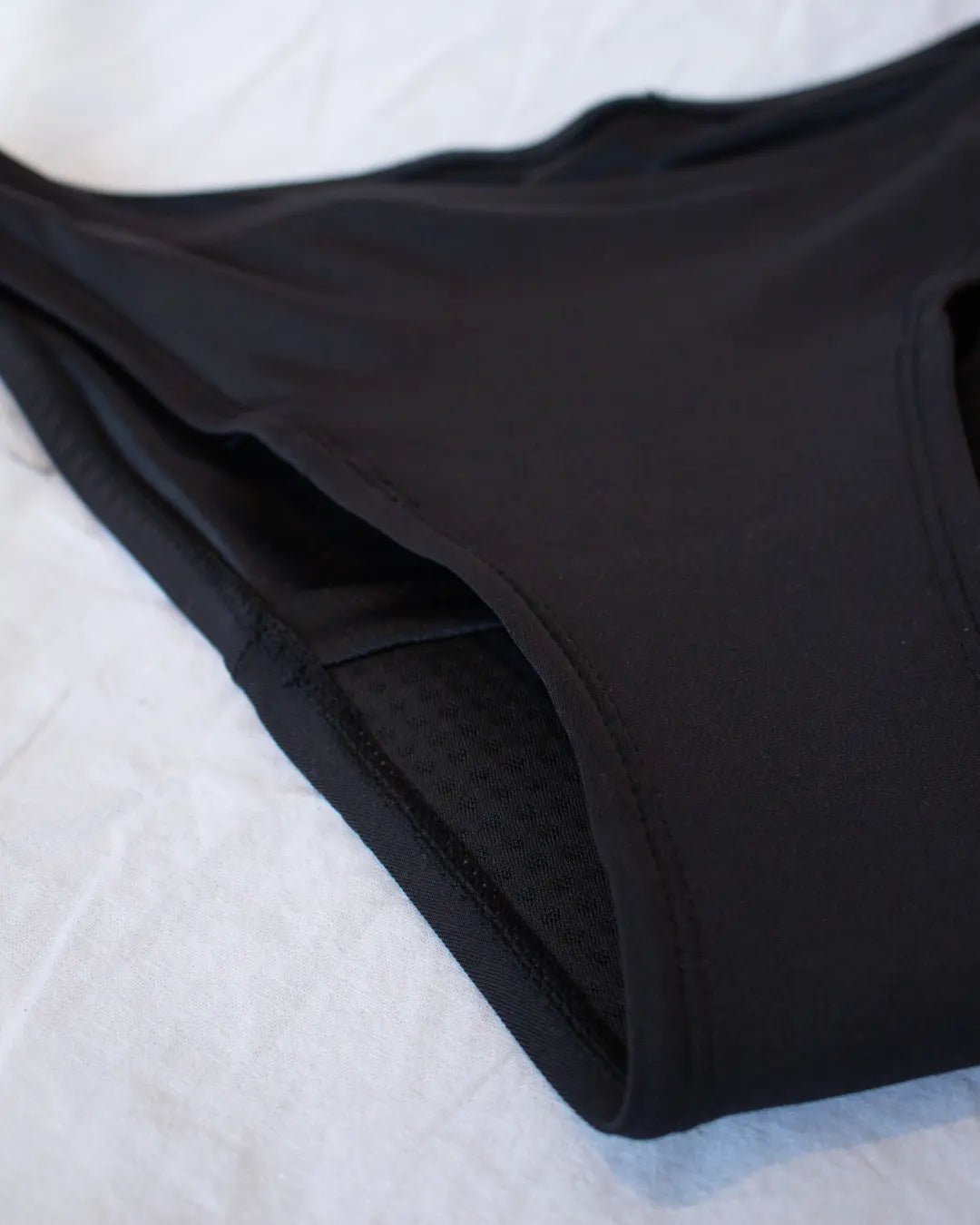
Determine if you are swimming laps, playing in the waves, or just relaxing. Lap swimming requires a secure fit to prevent shifting, while lounging allows for looser styles. Your activity level dictates the necessary coverage and support.
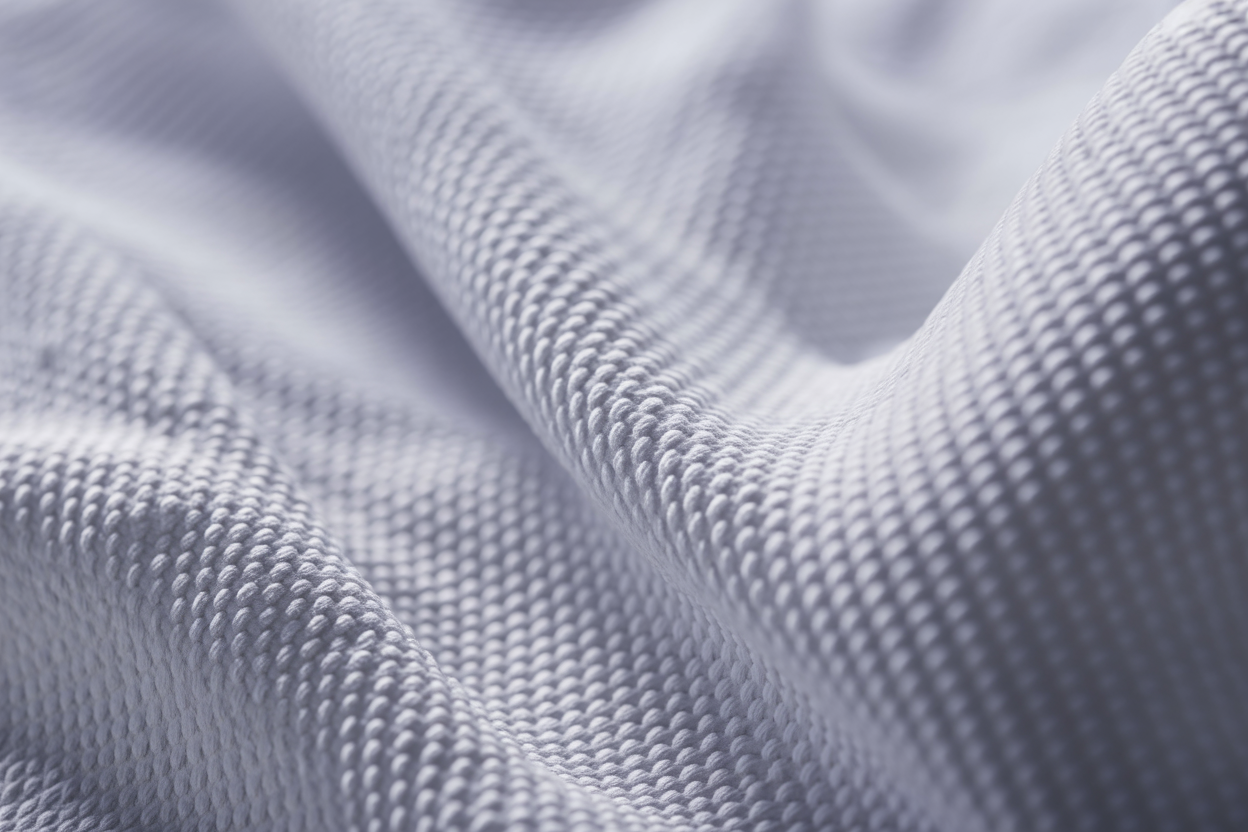
Choose a one-piece for maximum security during intense swimming. Opt for a bikini if you prefer versatility or want to adjust coverage by layering. High-waisted bottoms are ideal for low-impact activities where you want extra abdominal protection without a full suit.
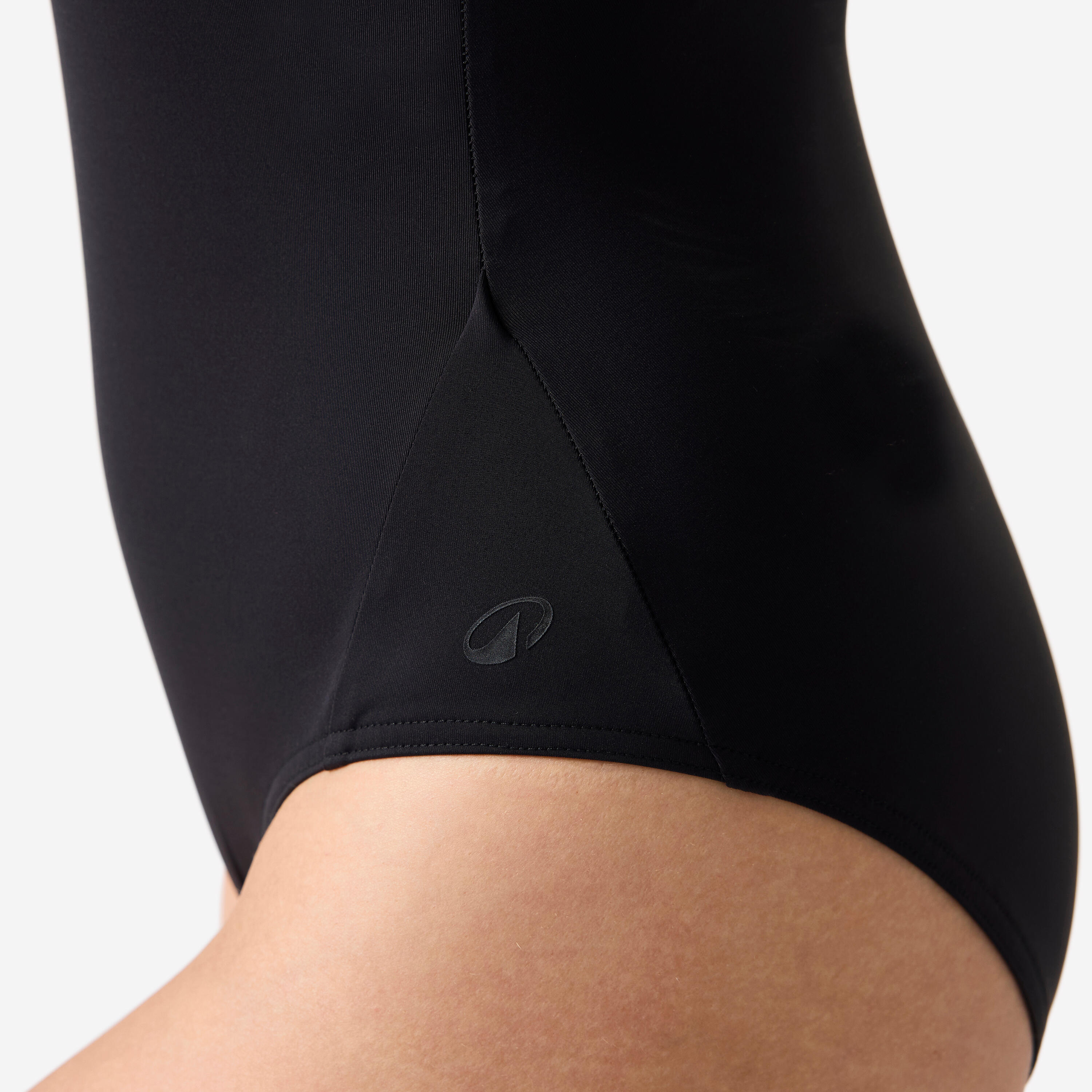
Ensure the suit covers your flow area completely. The absorbent lining must stay in place during movement. Try moving around in the suit to check for gaps or shifting that could compromise leak-proof confidence.
Match absorbency to your flow
Period swimwear is not a magic shield against heavy bleeding; it is a capacity tool. The absorbent layers in your suit have a hard limit, usually measured in tampons worth. If you ignore this limit, you risk leaks regardless of how high-quality the suit is.
For light to medium flow days, most period swimwear options are sufficient on their own. Brands like WUKA and Snuggs design their core collections to handle up to a medium flow using built-in leak-proof technology. These suits trap the fluid within the lining, keeping you dry and confident without any extra layers. This is the ideal scenario for swimming, where the water pressure helps keep things in place.
If you experience a heavy flow, relying solely on the suit’s absorbent layers is a gamble. The fabric can become saturated, leading to leaks or discomfort. In these cases, pair your period swimwear with an internal protector like a tampon or menstrual cup. This combination provides a dual-layer defense: the internal device handles the bulk of the volume, while the suit acts as a backup against unexpected leaks.
Understanding these capacity limits ensures you choose the right suit for your specific needs. Don’t buy a standard-light flow suit for your heaviest days. Instead, look for "heavy absorption" models or simply accept that a tampon or cup is necessary for full protection during intense swimming sessions.
| Flow Level | Suit Only | With Tampon/Cup | Best Approach |
|---|---|---|---|
| Light | Yes | Optional | Suit alone is fine |
| Medium | Yes | Optional | Suit alone is fine |
| Heavy | No | Required | Always use internal protector |
| Very Heavy | No | Required | Use internal protector + backup suit |
Ensure proper fit and sizing
Period swimwear operates differently than your standard bikini or one-piece. The built-in absorbent layers add bulk to the gusset and waist, which means the fabric stretches less and sits differently on your body. If you buy your usual size, the suit might feel tight across the hips or ride up when you move, compromising the leak-free seal you need.
Think of period swimwear like a wetsuit rather than a t-shirt. It needs to hug your curves to keep the absorbent core in place against your body. A gap between the fabric and your skin creates a channel for leaks, while excessive tightness can restrict movement and make the suit uncomfortable for long wear. You are buying for function first, fashion second.
Check the brand’s specific size chart before ordering. Many period swim brands run small to ensure a snug fit. If you are between sizes, size up. It is better to have a suit that fits comfortably than one that digs in or shifts position in the water. Remember that wet fabric clings tighter, so a suit that feels loose when dry might feel secure once submerged.
Care instructions for longevity
Period swimwear relies on layered absorbent fabrics that need gentle handling to stay leak-proof. Treat the garment like technical athletic gear rather than everyday cotton. Following a simple rinse-and-dry routine keeps the waterproof layers intact and prevents odors from setting in.
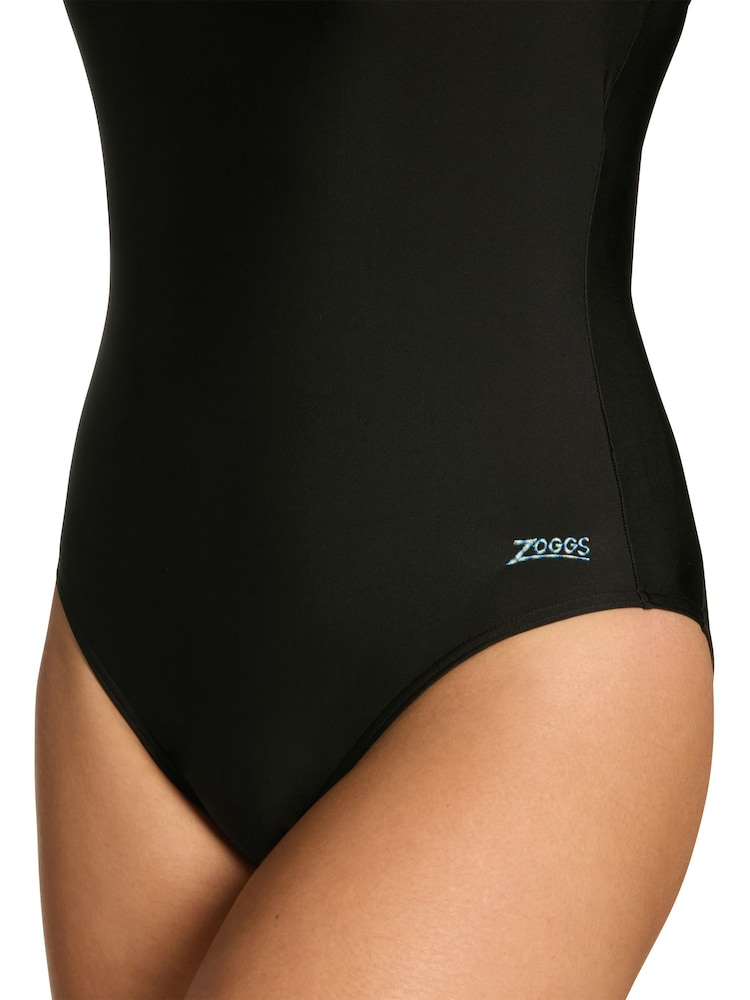
Rinse the suit in cold water as soon as you take it off. Cold water sets stains less than warm water and helps flush out chlorine or salt before it damages the fibers. Gently squeeze out excess water without twisting the fabric.
Use a gentle, fragrance-free detergent. Avoid bleach, fabric softeners, and harsh stain removers, which can break down the waterproof membrane. If you must use a machine, select a delicate cycle and place the suit in a mesh laundry bag.
Never use a dryer or hang the suit in direct sunlight. High heat melts the elastic and destroys the leak-proof barrier. Lay the garment flat on a towel to dry completely before storing it.
Consistent care extends the life of your period swimwear significantly. Most brands confirm that proper washing allows the suit to absorb effectively for many cycles. Check your specific brand’s tag for any unique requirements, but this general routine works for nearly all period-proof swimwear.
Common questions about period swimwear
Period swimwear is designed to handle light to moderate flow, but understanding how it works helps manage expectations. The suit absorbs blood into its inner layers, keeping the fabric dry and leak-free for hours. For heavier flow, regular changing is necessary to maintain security.
No comments yet. Be the first to share your thoughts!