

Get period swimwear right
Period swimwear functions like a built-in gasket rather than a sponge. The fabric layers absorb flow and lock it away, but they require specific conditions to hold that seal. If you skip the prep steps, the suit can leak regardless of the brand’s marketing claims.
First, confirm your flow matches the suit’s rating. Most period swimsuits handle light to moderate days. If you are on a heavy flow day, the single suit layer will likely saturate before you finish your swim. In that case, pair the suit with a menstrual cup or tampon for backup, or switch to period underwear with a higher absorbency rating.
Second, always choose the correct size. Period swimwear relies on tight compression to keep the absorbent core against your body. If the suit is too loose, fluid can bypass the layers and leak out the sides. If it is too tight, it can cause discomfort or restrict movement. Try the suit on dry first; it should feel snug, not restrictive, across the hips and stomach.
Finally, rinse the suit immediately after use. Salt, chlorine, and blood residues degrade the waterproof barriers over time. Rinse in cold water and lay flat to dry. Never use a dryer or fabric softener, as heat and chemicals break down the leak-proof technology.
Work through the steps
Choosing the right leak-proof gear for summer starts with matching your flow to the product type. Whether you prefer the freedom of a bikini, the comfort of underwear, or the capacity of a cup, following these steps ensures you pick the right tool for the job.
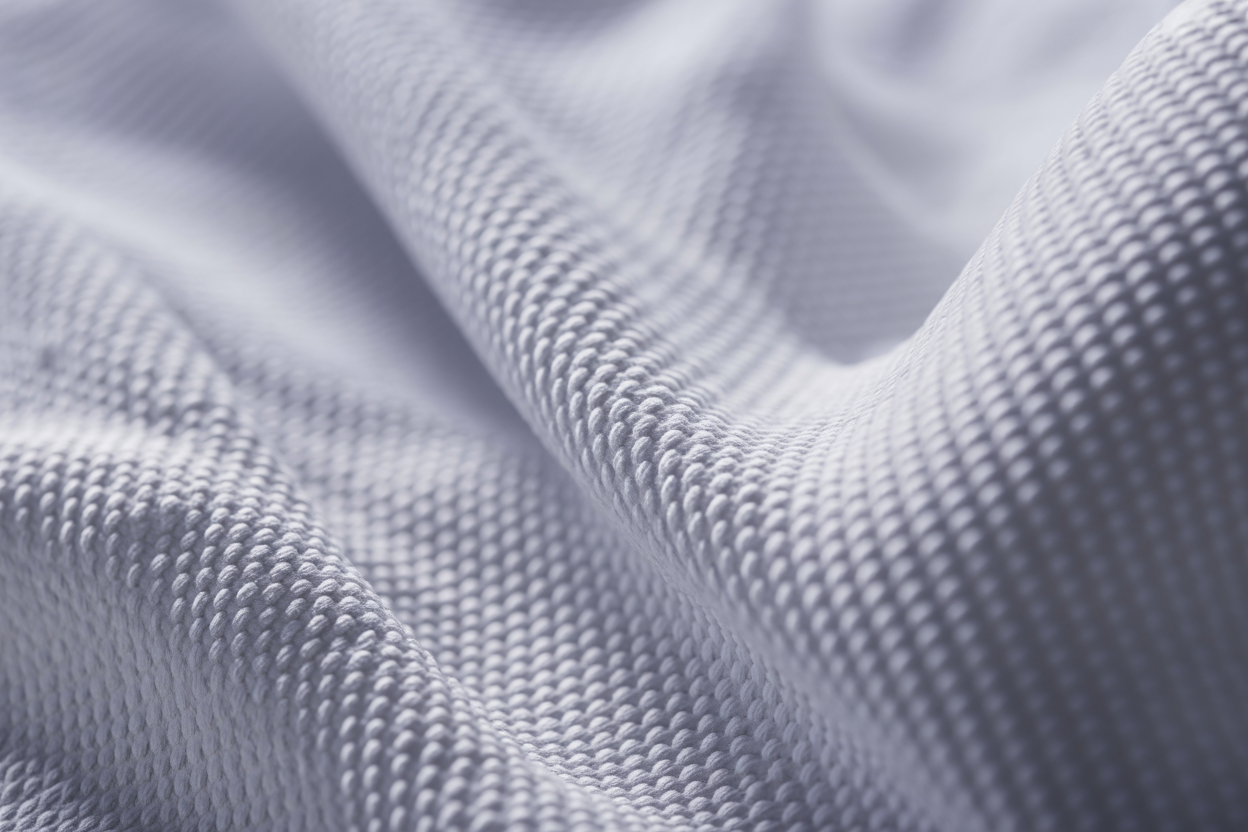
Start by identifying your typical flow intensity. Most period swimsuits are designed for light to moderate flow. If you experience heavy flow, you may need to combine a swimsuit with a menstrual cup or tampon for backup. Underwear-style period briefs often offer higher capacity, ranging from 2 to 4 tampons worth of absorption, making them a better standalone option for heavier days.
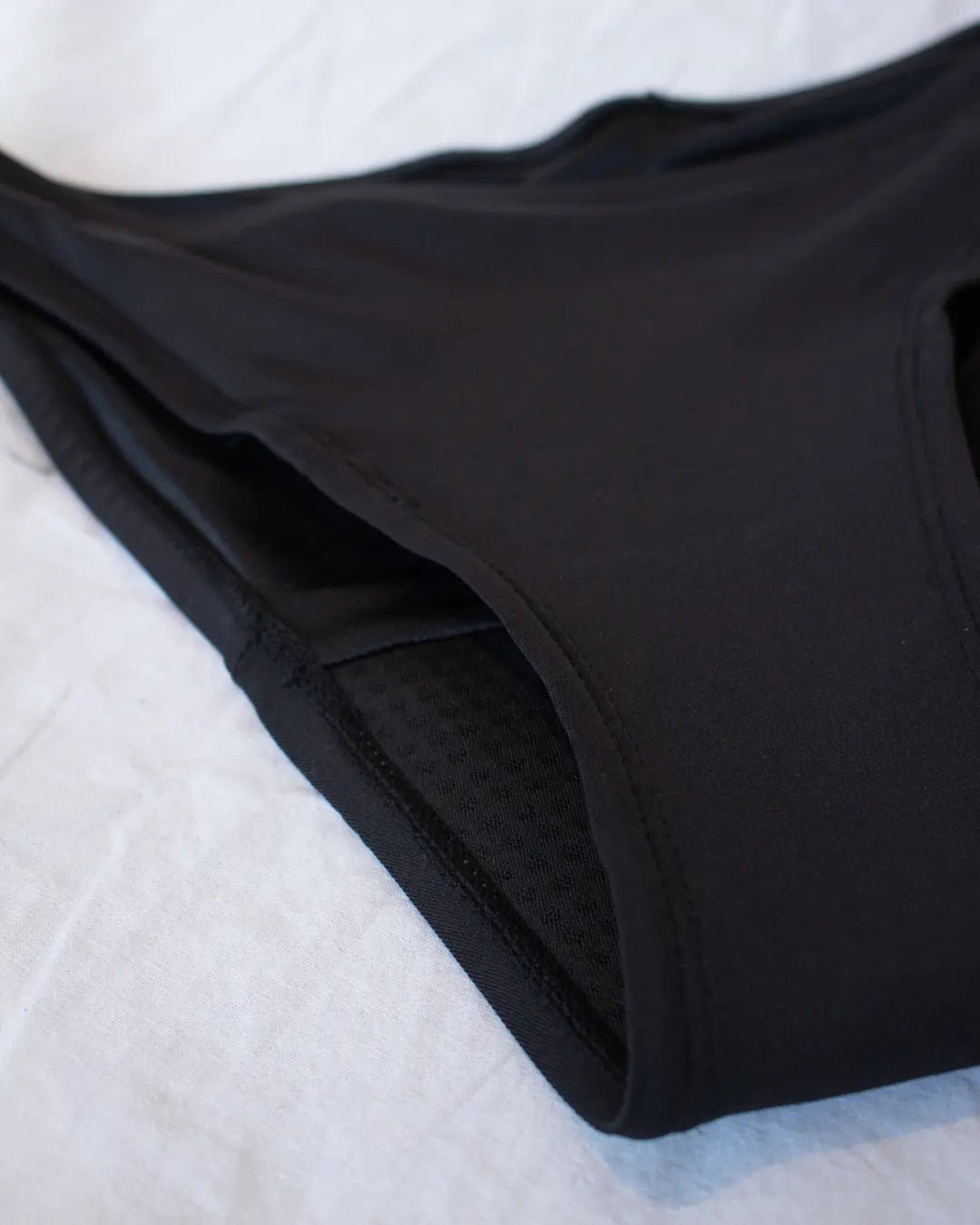
Decide between a one-piece or a two-piece bikini. One-piece suits provide more coverage and often feel more secure during vigorous swimming or water sports. Two-piece sets allow you to mix and match sizes if your top and bottom have different flow needs. Look for high-waisted bottoms, which offer more abdominal coverage and reduce the risk of leaks from the back or sides.
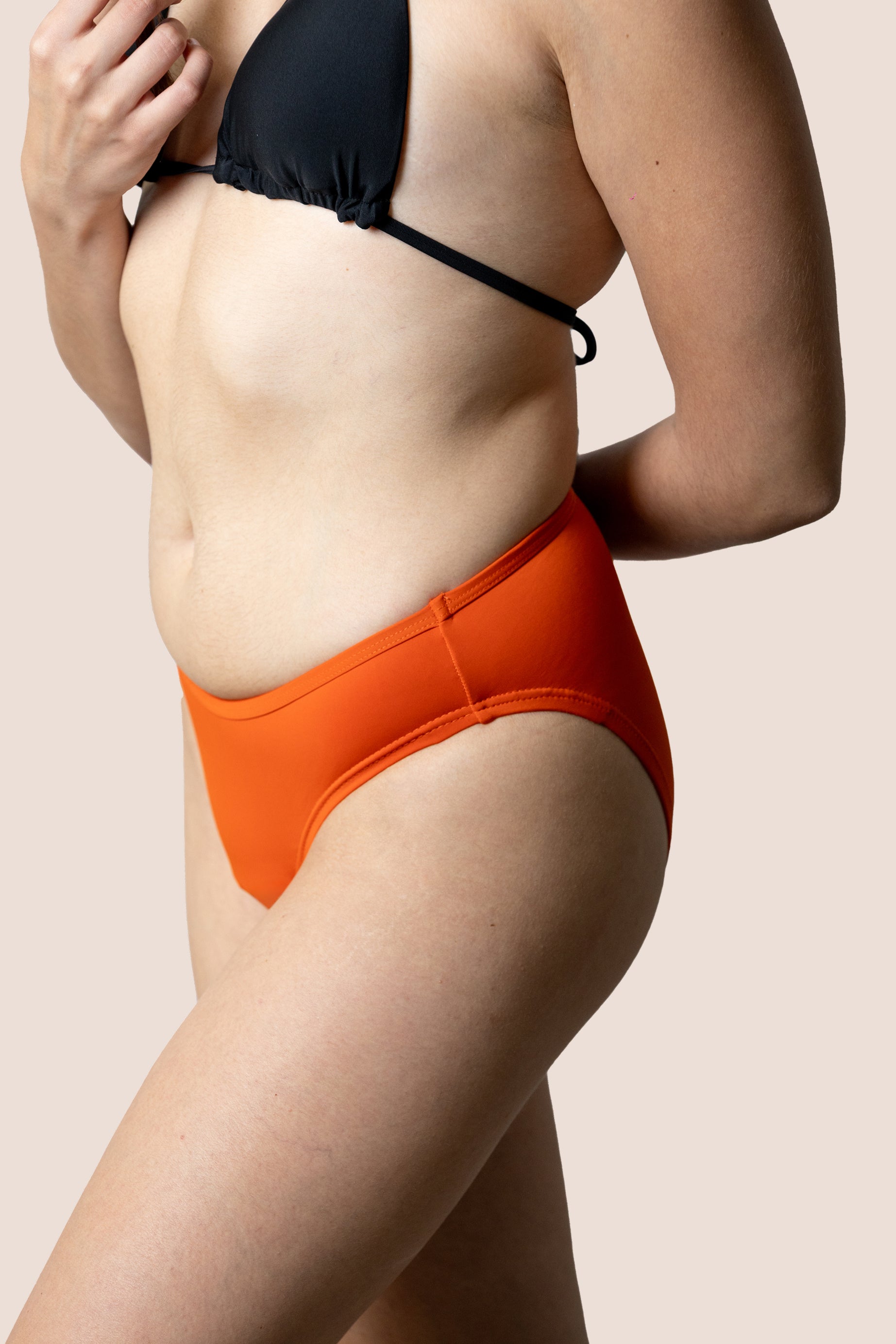
Inspect the internal lining. Quality period swimwear uses multiple layers: a moisture-wicking top layer to pull fluid away from the skin, an absorbent core to hold it, and a waterproof outer layer to prevent leaks. Ensure the absorbent core is positioned correctly to catch flow where it starts. Some brands use bamboo or microfiber blends, which are soft and effective, while others use synthetic materials that dry faster.
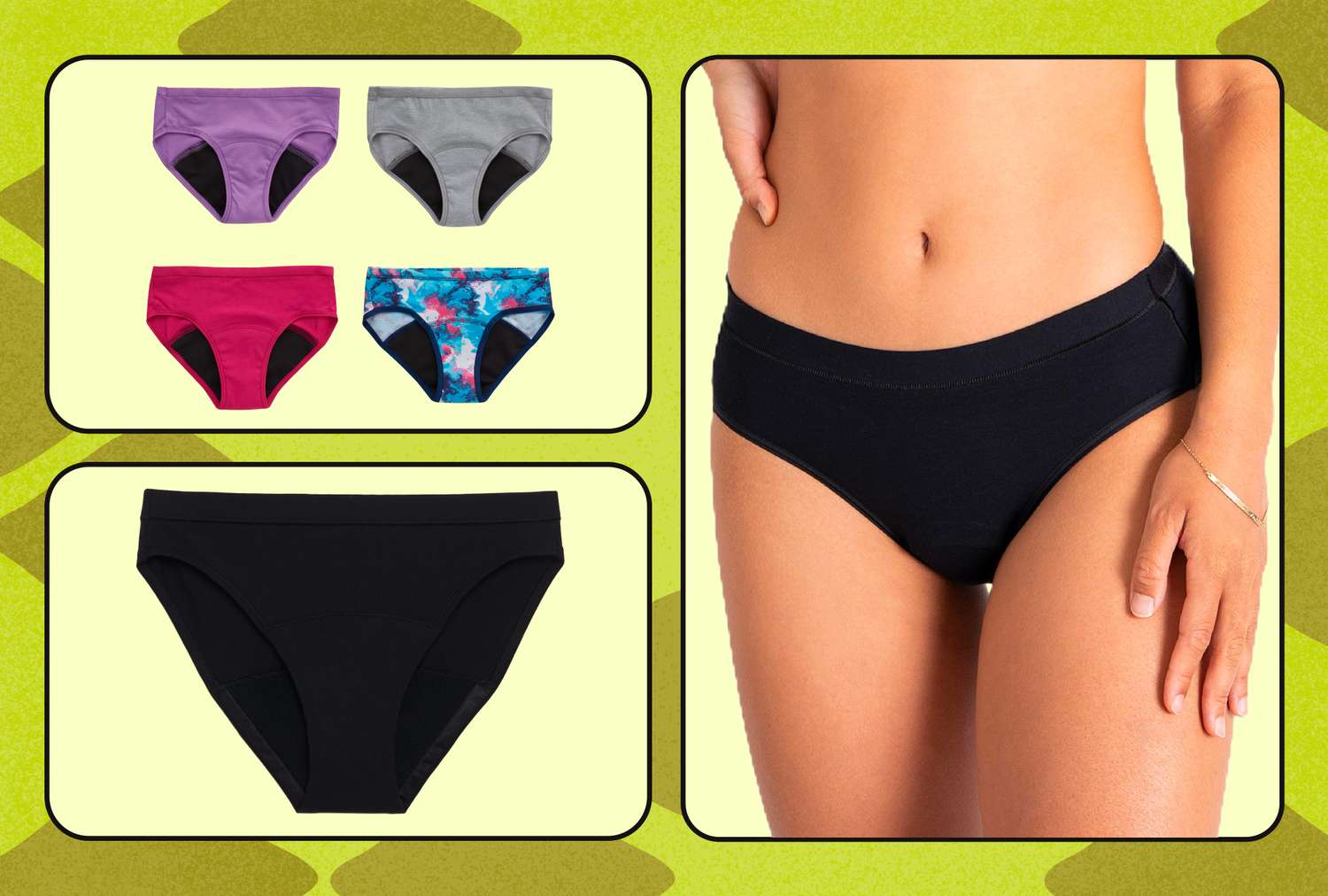
Put on the garment and move around. Swimwear stretches when wet, so check that the legs and waistband stay in place without digging in. Jump, squat, or simulate a stroke to ensure the suit doesn’t shift. If the fabric feels too loose, you may need to size down, as a snug fit is critical for maintaining the seal against leaks. Tighter fits also help keep the absorbent layers compressed and effective.
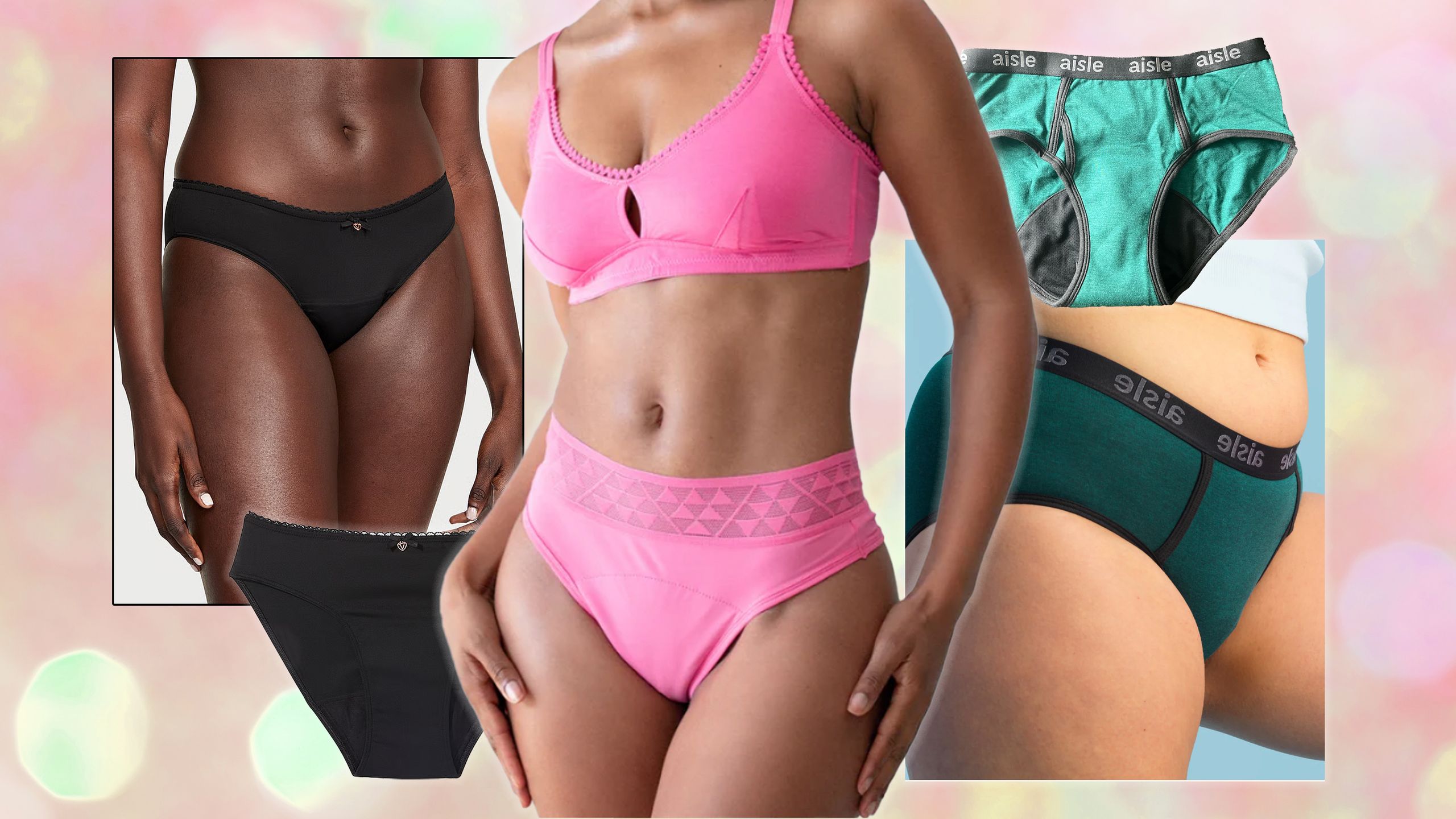
Pack a dry set of clothes and a wet bag for after your swim. Period swimwear should be rinsed in cold water immediately after use to remove blood and chlorine, which can degrade the waterproof layer over time. Avoid using fabric softeners or bleach, as these can damage the absorbent technology. Changing into dry underwear and a regular swimsuit or shorts will keep you comfortable and hygienic for the rest of the day.
A quick checklist before you head out:
-
Confirm flow level matches product capacity
-
Check for high-waisted or full-coverage options
-
Inspect internal absorbent layers
-
Test fit with movement simulations
-
Pack cold water rinse and dry clothes
Fix common mistakes
Even the best period swimwear relies on proper fit and care. A single oversight can turn a confident swim into a leaky mess. Most failures happen because the wearer ignores how the product actually works.
Ignoring the gusset placement is the most frequent error. The absorbent layer in period swimwear sits in the front and back panels. If the suit rides up or sits too low, that protection gap exposes your skin. Always check the seams before entering the water. The fabric should lay flat against your hips without twisting.
Overloading the capacity leads to saturation. Most period swimsuits handle light to moderate flow, not heavy days. If your flow is heavy, the suit will absorb what it can, but it won’t hold everything. You still need a backup. Wear a period cup or tampon underneath the suit as a safety net. Think of the suit as a shield, not a sponge that holds an entire period.
Skipping the rinse ruins the suit’s longevity. Salt, chlorine, and blood proteins degrade the waterproof membranes if left untreated. Rinse the suit in cold water immediately after swimming. Never wring it out, as that damages the elastic fibers. Lay it flat to dry. Washing it too often or using hot water also breaks down the layers faster.
Choosing the wrong size is the silent killer of confidence. Period swimwear must be snug to create a seal, but not tight enough to restrict movement. If you size up for comfort, gaps appear. If you size down, the fabric compresses the absorbent layers, reducing their capacity. Consult the brand’s specific size chart, not your usual swimwear size.
Period swimwear: what to check next
Period swimwear uses layered, moisture-wicking fabric to absorb flow while swimming. While they work well for light to moderate periods, they are not a complete replacement for internal protection during heavy flow days.
No comments yet. Be the first to share your thoughts!