
Period swimwear budget
Period swimwear is a specialized purchase that requires checking specific features rather than just price. Verify the absorbency rating, confirm the care instructions, and compare the total cost against disposable alternatives before you decide.
The simplest way to use this section is to verify the seller, compare the total cost, and resolve the biggest risk before you commit.
Shortlist real options
Wellness works best as a clear sequence: define the constraint, compare the realistic options, test the tradeoff, and choose the path with the fewest hidden costs. That order keeps the advice usable instead of decorative. After each step, pause long enough to check whether the recommendation still fits the reader's actual situation. If it depends on perfect timing, unusual access, or a best-case budget, include a simpler fallback.
| Factor | What to check | Why it matters |
|---|---|---|
| Fit | Match the option to the primary use case. | A good deal still fails if it does not fit the job. |
| Condition | Verify age, wear, and service history. | Hidden condition issues erase upfront savings. |
| Cost | Compare purchase price with likely upkeep. | The cheapest option is not always the lowest-cost option. |
Inspect the expensive parts
Wellness works best as a clear sequence: define the constraint, compare the realistic options, test the tradeoff, and choose the path with the fewest hidden costs. That order keeps the advice usable instead of decorative. After each step, pause long enough to check whether the recommendation still fits the reader's actual situation. If it depends on perfect timing, unusual access, or a best-case budget, include a simpler fallback.
Plan for ownership costs
Period swimwear is a durable investment, but it isn't maintenance-free. The leak-proof layers rely on hydrophobic fabrics and absorbent cores that degrade if treated like regular cotton. Washing in hot water or using fabric softeners can ruin the seal, turning a $60 suit into a $60 mistake after one season.
To keep the technology working, you must follow the care label strictly. Hand wash or use a delicate cycle with cold water. Never tumble dry; heat breaks down the elastic and the absorbent pads. Air drying is the only way to preserve the leak-proof barrier. If you skip this, you will replace the suit more often than if you had bought a higher-quality one initially.
When a cheap buy stops being cheap
The lowest-priced options often use thinner absorbent layers. They might work for a single day of spotting, but they lack the capacity for a heavy flow day. You end up wearing a period swimsuit as an outer layer over a tampon or cup, which defeats the purpose of "stress-free" swimming.
Mid-range brands like Modibodi and WUKA balance capacity with durability. Their suits are built to handle light to medium flow without backup. For heavy flow days, you still need a backup, but the suit does the heavy lifting. The higher upfront cost pays off in confidence and longevity.


As an Amazon Associate, we may earn from qualifying purchases.
Period swimwear: what to check next
Choosing the right gear for swimming on your period comes down to understanding how the technology works and what to expect. Here are the answers to the most common questions readers ask before buying.
Do period swimsuits really work?
Yes, they work for light to medium flows. Brands like Modibodi and Period.co design these suits with multiple absorbent layers that trap fluid when submerged. The water pressure actually helps seal the fabric, preventing leaks during typical pool or beach activities. For heavy flow days, you may still want to pair them with a tampon or menstrual cup for extra peace of mind.
What is a pubikini?
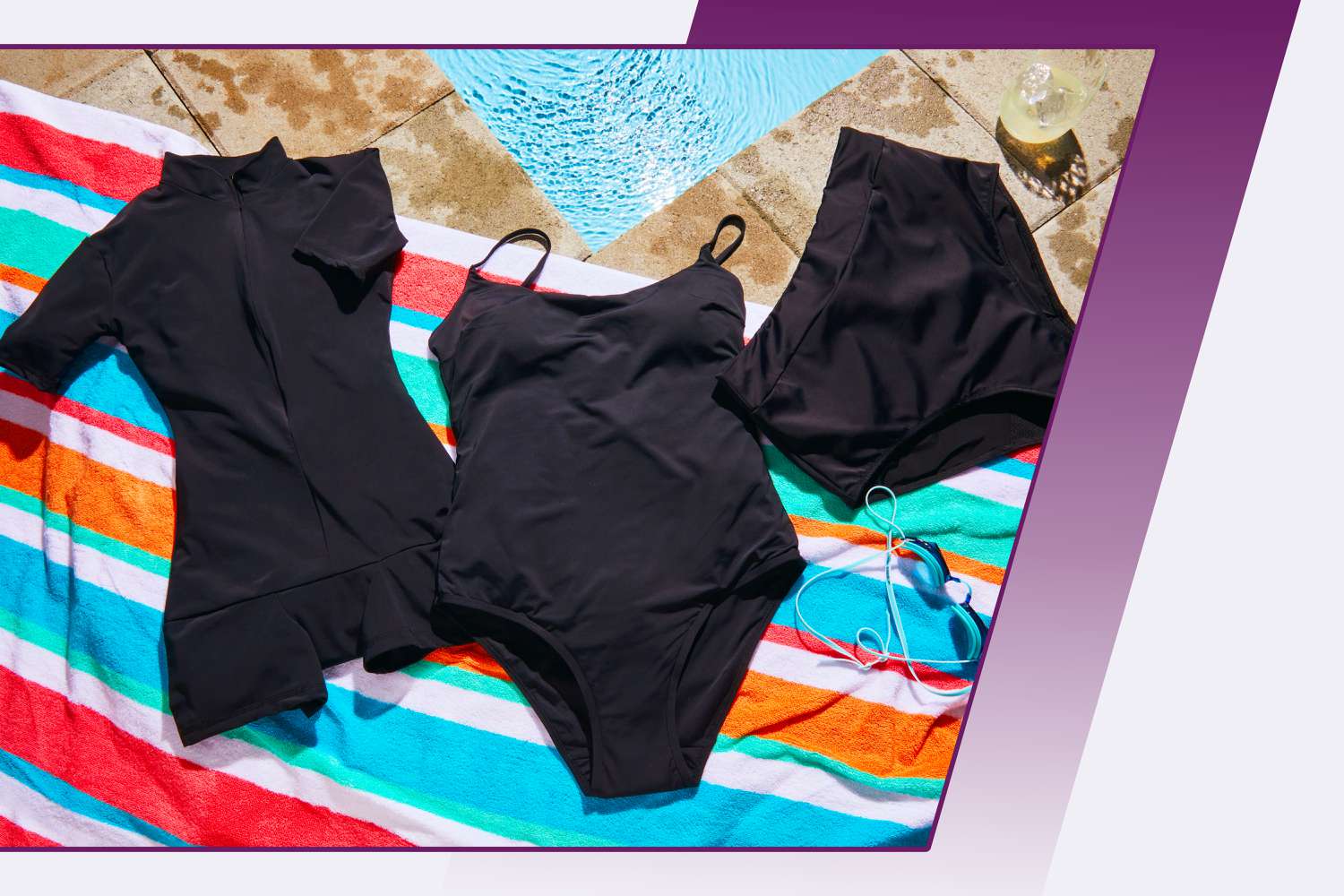
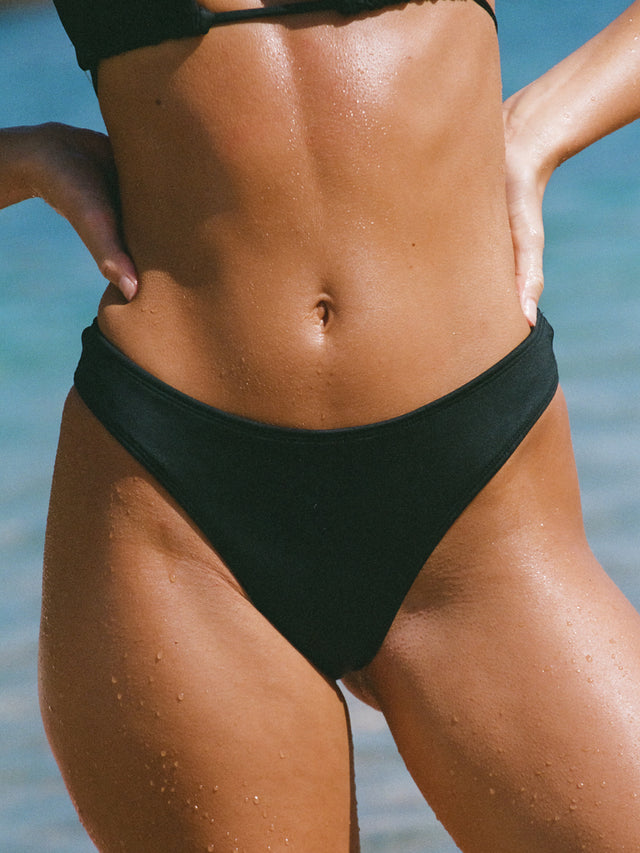
A pubikini is a specific style of period swimwear that covers the pelvic area, typically featuring a high-waisted bottom or a one-piece cut that extends over the hips. Unlike traditional bikini bottoms that sit low on the waist, a pubikini provides more coverage and absorption capacity over the crotch and lower abdomen. This design ensures that the absorbent core is positioned correctly to catch flow without slipping or shifting during movement.
Where does the blood go in period swimwear?
The blood is absorbed into the inner layers of the suit, not released into the water. These suits use a combination of a waterproof outer layer, an absorbent core, and a moisture-wicking top layer. When you are in the water, the pressure keeps the fluid inside the fabric. The blood stays trapped in the suit until you take it off, at which point you can rinse it out or wash it as usual.
What swimsuits are good to wear during your period?
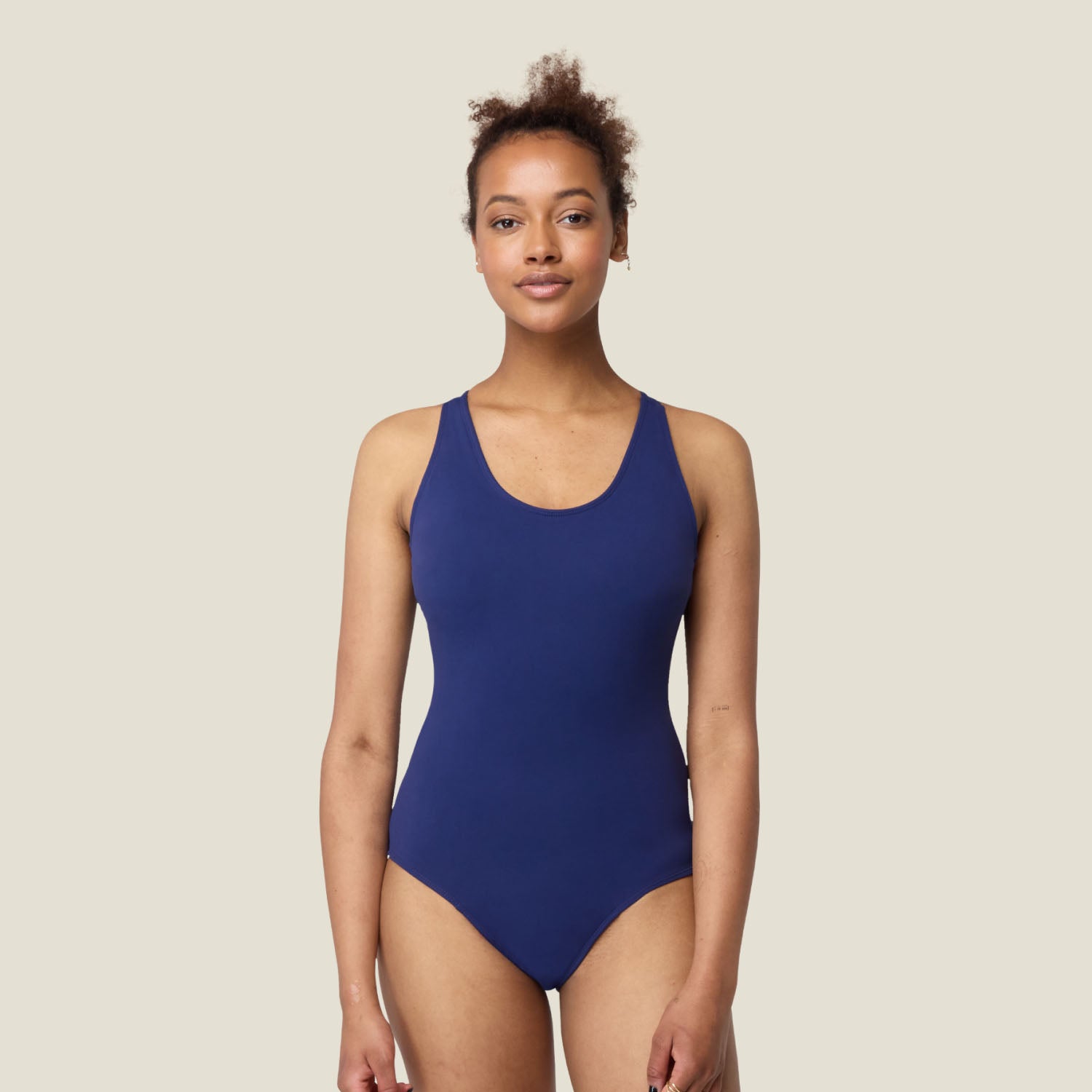
Look for suits with dark colors, high-waisted cuts, or built-in absorbent technology. One-piece swimsuits and bikini sets with matching high-waisted bottoms are ideal because they offer more coverage and security. Brands like WUKA and Ruby Love offer options specifically designed with leak-proof technology, making them reliable choices for swim practice or vacation days.
No comments yet. Be the first to share your thoughts!