
Define your menstrual health goals
Before tracking dates or managing symptoms, you need a clear definition of what you are tracking. Menstrual health is not just about hygiene or the absence of illness. The World Health Organization defines it as a state of complete physical, mental, and social well-being in relation to the menstrual cycle.
This definition shifts the focus from simply "putting up with" a period to actively managing your overall well-being. It includes understanding your cycle as a vital sign, recognizing when symptoms like heavy bleeding or severe pain affect your daily life, and ensuring you have the resources and dignity to manage your period safely.
When you set goals for tracking, think beyond the calendar. Consider how your energy levels, mood, and physical comfort fluctuate. Are you tracking to predict ovulation, to identify triggers for cramps, or to monitor changes that might need medical attention? Framing your tracking around these broader health indicators helps you spot patterns that simple date-marking might miss.
Start by asking what "healthy" looks like for your body. For some, this means consistent flow and minimal pain. For others, it means managing complex conditions like endometriosis or PCOS. Your goals should reflect your specific needs and how your cycle impacts your daily routine, not just a generic standard.
Track your cycle patterns accurately
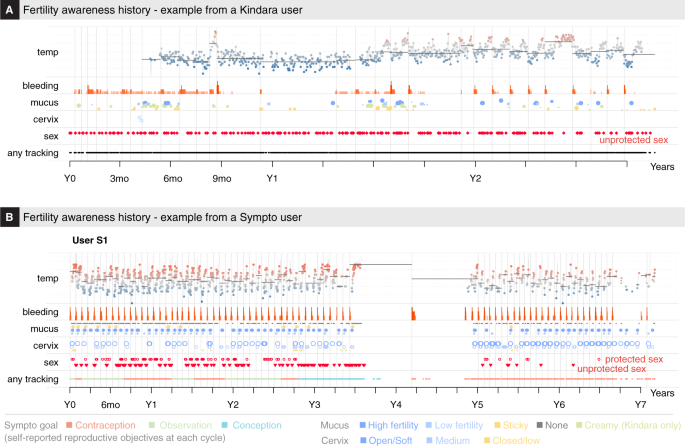
Tracking your cycle requires logging specific data points daily. This process turns abstract bodily changes into concrete records you can review. Accurate tracking helps you identify your unique baseline and spot deviations early.
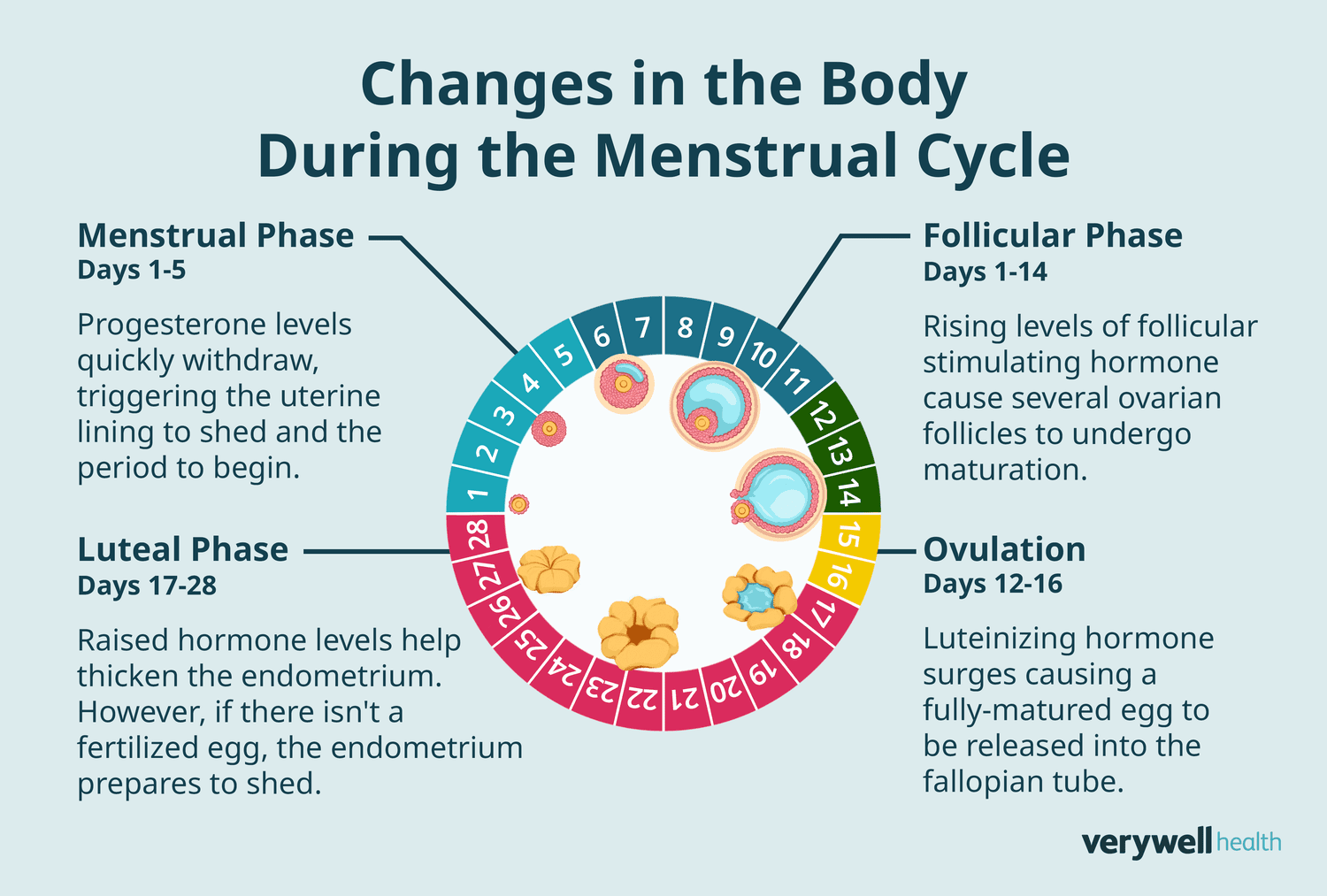
Mark the first day of full flow as day one. Note the last day of bleeding. Consistency here is critical for calculating cycle length. Use a dedicated app or a simple calendar grid.
Rate your flow as light, medium, or heavy each day. Heavy flow may require changing pads or tampons every few hours. Light flow might only need a liner. This data helps predict future volume needs.
Track physical symptoms like cramps, bloating, or headaches. Record emotional shifts such as irritability or fatigue. The CDC notes that proper hygiene and monitoring can prevent infections and keep you comfortable during your period. Log these details to see if they correlate with specific cycle phases.
Spend five minutes each week reviewing your entries. Look for trends in timing and severity. This review helps you anticipate upcoming symptoms and adjust your self-care routine accordingly.
Consistent logging creates a reliable health history. Over time, this record becomes a powerful tool for managing your menstrual health effectively.
Select the right menstrual product
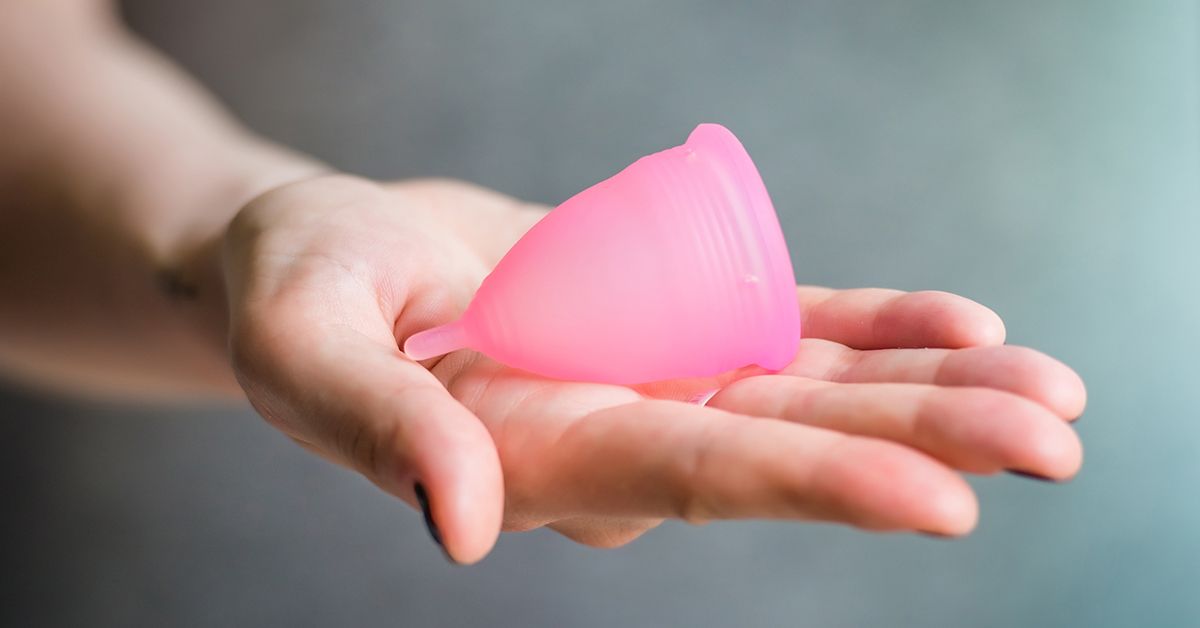
Choosing between period pads, menstrual cups, and period underwear depends on your flow, comfort, and environmental priorities. Each option manages menstrual blood differently, affecting cost, convenience, and sustainability.
The Centers for Disease Control and Prevention notes that proper menstrual hygiene helps prevent infections and reduce odors, regardless of the product used. Changing products regularly is essential for comfort and health.
Side-by-side comparison
| Feature | Period Pads | Menstrual Cups | Period Underwear |
|---|---|---|---|
| Capacity | Low to medium; requires frequent changes | High; lasts up to 12 hours | Medium; absorbs 1-2 tampon loads |
| Cost | Low upfront; high recurring cost | High upfront; low recurring cost | Medium upfront; low recurring cost |
| Eco-Impact | High waste (disposable) | Low waste (reusable for years) | Moderate waste (replace every 1-3 years) |
| Best For | Light to heavy flow, backup use | Heavy flow, overnight, eco-conscious | Light to medium flow, sleep, backup |
Period pads are the most accessible option but generate significant waste. Menstrual cups offer the lowest long-term cost and environmental impact, though they require a learning curve. Period underwear provides a comfortable, disposable-free alternative for lighter days or as a reliable backup for other methods.
Manage cramps and spotting effectively
Period cramps and unexpected spotting are common disruptions, but you can manage them with a few low-risk adjustments. The goal is to reduce inflammation and maintain hygiene to prevent infection.
Relieve cramps quickly
Heat is often more effective than medication for mild to moderate cramps. Apply a heating pad or hot water bottle to your lower abdomen for 15–20 minutes. This increases blood flow and relaxes the uterine muscles causing the pain.
If heat isn't enough, over-the-counter nonsteroidal anti-inflammatory drugs (NSAIDs) like ibuprofen can block the prostaglandins that trigger contractions. Take these with food to protect your stomach lining. For persistent pain that interferes with daily life, consult a healthcare provider to rule out underlying conditions like endometriosis.
Handle spotting with care
Spotting between periods is usually harmless but requires attention to hygiene. Change your pad, tampon, or menstrual cup every 4–8 hours, regardless of flow volume. The CDC notes that regular product changes prevent infections and keep you comfortable CDC.
Wear breathable cotton underwear and avoid scented products near the genital area, which can irritate sensitive tissue. If spotting is accompanied by unusual odor, itching, or pain, it may indicate an infection requiring medical treatment.
When to seek help
Most cramps and spotting resolve with home care. However, contact a doctor if you experience:
- Bleeding so heavy you soak through a pad or tampon every hour.
- Severe pain that doesn't improve with heat or OTC medication.
- Spotting that lasts longer than a few days or happens frequently.
Heavy menstrual bleeding can lead to iron deficiency anemia, according to the World Health Organization WHO. If you feel unusually tired or dizzy, mention this to your provider.
Identify signs of an unhealthy period
Tracking your cycle helps you distinguish between normal discomfort and symptoms that signal a medical issue. Most people experience some cramping or mood changes, but certain patterns indicate heavy menstrual bleeding or other complications that require professional evaluation.
The World Health Organization notes that heavy menstrual bleeding is common and can lead to iron deficiency anaemia if left unmanaged. You should monitor your flow volume and pain levels closely to identify when your period deviates from your personal baseline.
Soaking through one or more pads or tampons every hour for several consecutive hours is a primary sign of excessive bleeding. This level of flow can deplete your iron stores rapidly and may indicate conditions like fibroids, endometriosis, or hormonal imbalances.
Severe pain that prevents daily activities is another red flag. While mild cramping is typical, pain that persists beyond the first few days of bleeding or does not respond to over-the-counter medication warrants a doctor’s visit.
Other warning signs include bleeding between periods, periods lasting longer than seven days, or passing large blood clots (larger than a quarter). If you experience any of these symptoms, consult a healthcare provider for proper diagnosis and treatment.
Build a sustainable period routine
A consistent routine keeps you comfortable and reduces infection risk. The Centers for Disease Control and Prevention (CDC) notes that regular product changes and proper hygiene prevent odors and infections during menstruation [1]. Follow these steps to maintain your health.
-
Change pads every 4–8 hours
-
Change tampons every 4–8 hours
-
Wash hands before and after changing products
-
Wipe front to back after using the toilet
-
Wear breathable cotton underwear
-
Carry a spare product in your bag
[1] CDC. "Healthy Habits: Menstrual Hygiene." https://www.cdc.gov/hygiene/about/menstrual-hygiene.html
No comments yet. Be the first to share your thoughts!