
Get period swimwear right
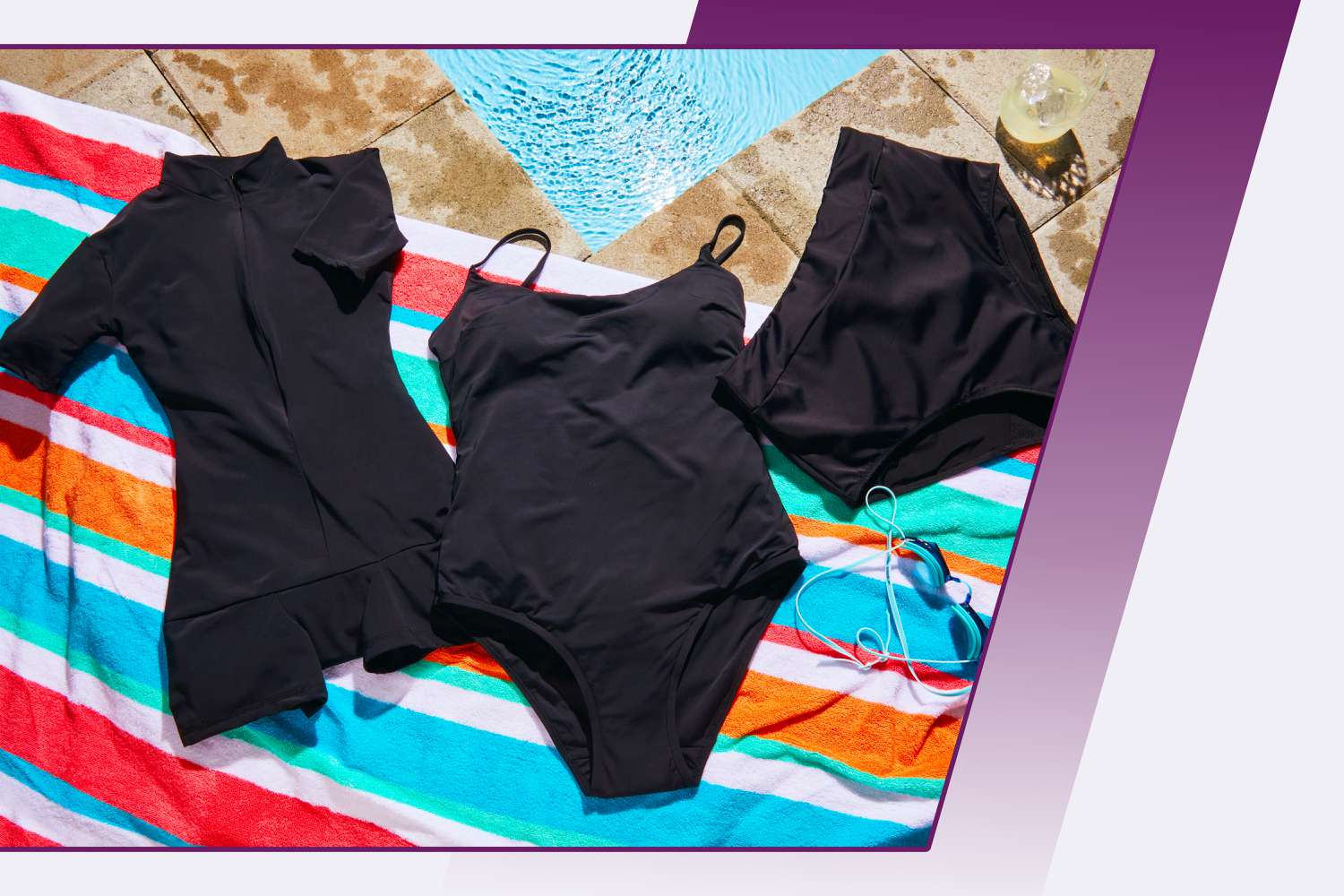
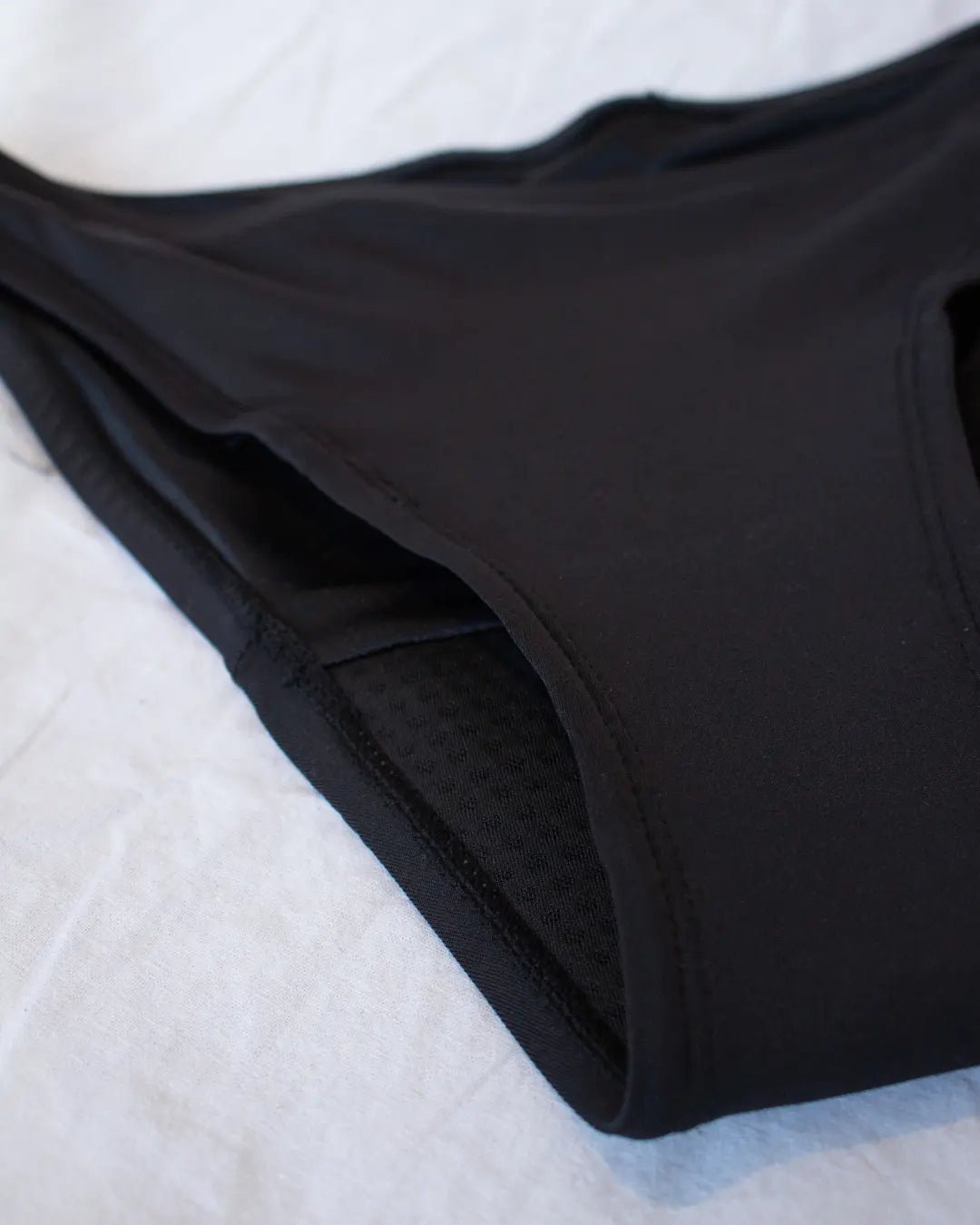
Period swimwear works like a sponge that also holds the line. The fabric absorbs flow and locks it inside, so you won’t see anything in the water. But the system only works if you match the suit to your flow level and wear it correctly.
Start by checking the absorbency rating. Light flow suits handle one tampon’s worth. Heavy flow options hold more, but they also feel thicker and can take longer to dry. If you are unsure, pick the next level up. It is better to have extra protection than to risk a leak.
Check the fit before you buy. Period swimwear relies on a snug seal to keep fluids inside. If the suit is loose, the absorbent layers will not align with your body, and leaks will happen. Look for suits with adjustable sides or high-waisted cuts that stay put when you move.
Finally, understand the difference between period undies and swimwear. Period undies are for land use only. They are not designed for water and will not work in a pool or ocean. Period swimwear is built with water-resistant barriers that keep leaks inside while you are swimming.
Work through the steps
The to Period Swimwear works best as a clear sequence: define the constraint, compare the realistic options, test the tradeoff, and choose the path with the fewest hidden costs. That order keeps the advice usable instead of decorative. After each step, pause long enough to check whether the recommendation still fits the reader's actual situation. If it depends on perfect timing, unusual access, or a best-case budget, include a simpler fallback.
Common Mistakes That Lead to Leaks
Even with high-quality period swimwear, user error is the most frequent cause of unexpected leaks. Most accidents happen because the garment’s absorbent core is either overwhelmed or misaligned with the body’s natural flow. Avoiding these pitfalls is simpler than it sounds, but it requires paying attention to fit, flow level, and timing.
Ignoring Flow Capacity
Period swimwear is not a sponge designed to hold months of menstrual blood. It is engineered to absorb light to heavy flow for a specific duration—typically four to six hours. If you have a heavy flow day, wearing a suit rated only for light flow is like using a small umbrella in a downpour; it will overflow quickly.
Check the absorbency rating before you pack. If your flow is heavy, choose a suit with a "heavy" or "extra-heavy" rating, or plan to change every two to three hours. Never rely on a single suit to last a full day of swimming if your flow is inconsistent or particularly strong.
Wearing the Wrong Size
Fit is the difference between a secure seal and a leak. If the suit is too loose, gaps form around the hips and waist, allowing fluid to escape before the absorbent layers can catch it. If it is too tight, the fabric may stretch thin, compromising the waterproof barrier and causing seepage through the material itself.
Period swimwear should fit snugly but comfortably, similar to a standard bikini or one-piece. The leg openings should sit flat against your skin without digging in, and the waistband should stay put when you move. If you are between sizes, sizing up is usually the safer bet to ensure full coverage of the absorbent core.
Mixing It Up with Regular Swimwear
A common mistake is assuming that any dark-colored swimsuit will hide a leak. It won’t. Regular swimwear offers zero protection against menstrual fluid. Wearing period pants under a regular swimsuit is another trap; the extra layer traps moisture against your skin, creating a breeding ground for bacteria and increasing the risk of irritation or infection.
Stick to purpose-built period swimwear for all water activities. These garments are tested to be leak-proof and are designed to be worn alone. If you need extra peace of mind, you can pair them with period underwear for added protection on land, but for swimming, the suit itself must be the primary barrier.
Period swimwear: what to check next
These are the practical objections readers have before making a decision.
Helpful gear
Use these product recommendations as a starting point, then choose the size, material, and price point that fit how you actually use the gear.


As an Amazon Associate, we may earn from qualifying purchases.
No comments yet. Be the first to share your thoughts!