
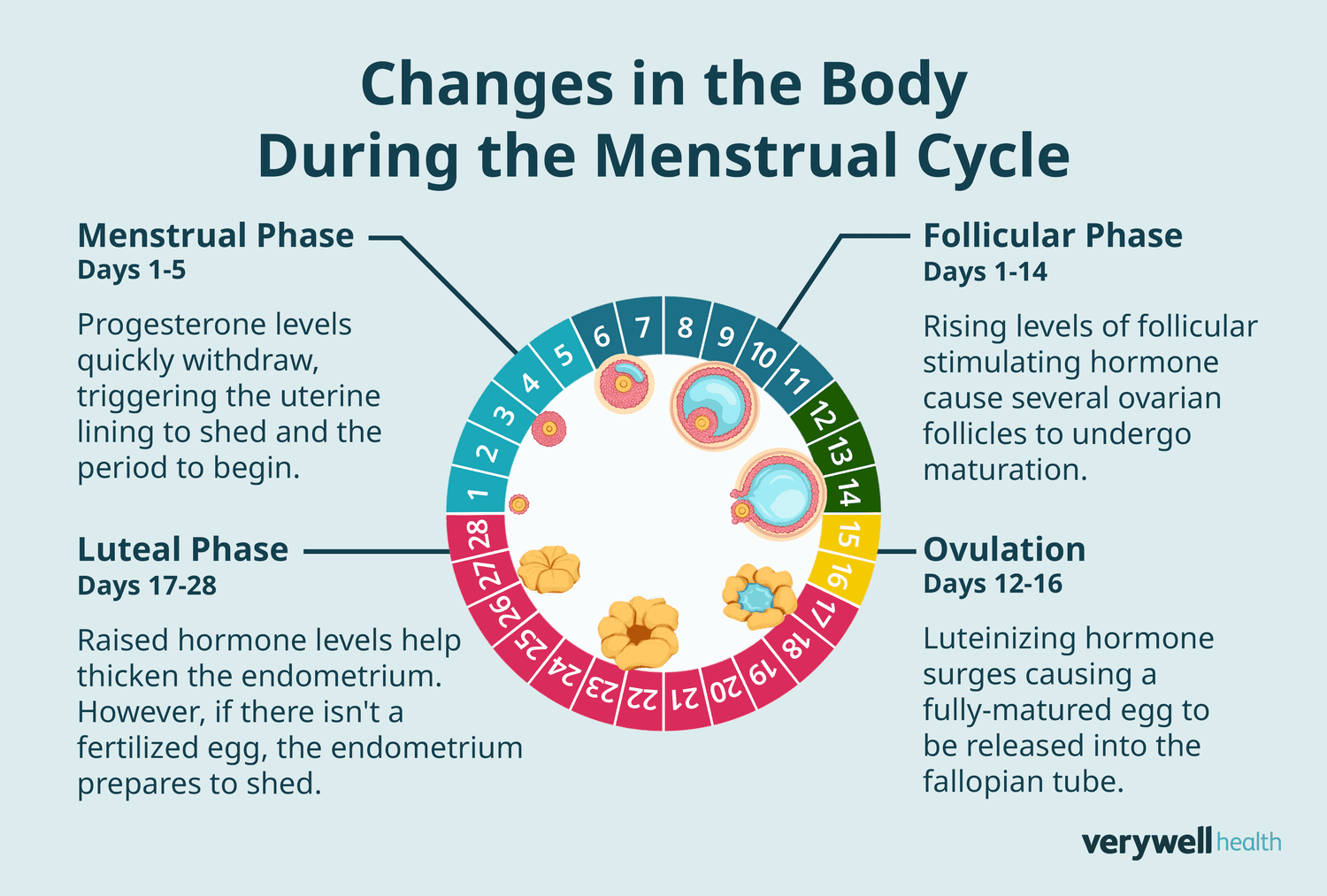
What counts as healthy menstrual health?
Menstrual health means your cycle supports your daily life rather than interrupting it. The World Health Organization defines it as complete physical, mental, and social well-being, not just the absence of disease. If your period causes severe pain, excessive bleeding, or fatigue that limits your activities, it may indicate an underlying issue that needs attention. Understanding these baselines helps you distinguish between normal discomfort and conditions requiring medical intervention.
How to identify heavy bleeding: The 7-2-1 rule
The 7-2-1 rule is a practical benchmark for spotting heavy menstrual bleeding (HMB). You should consult a healthcare provider if you experience any of the following:
- 7 Days: Your period lasts longer than 7 days.
- 2 Hours: You need to change your pad, tampon, or period underwear every 2 hours or less.
- 1 Quarter: You pass blood clots larger than a quarter (approx. 2.5 cm).
Hitting these markers suggests your current products may not be sufficient or that you may be at risk for iron deficiency anemia. Don't just switch to higher absorbency; get a medical evaluation to rule out conditions like fibroids or endometriosis. Tracking these metrics over three consecutive cycles provides your doctor with concrete data rather than vague descriptions.
Common menstrual problems to watch for
Beyond heavy flow, several symptoms warrant a doctor's visit:
- Severe Pelvic Pain: Pain that prevents normal activity or isn't relieved by over-the-counter medication. This could indicate endometriosis or adenomyosis.
- Pain During Sex: Dyspareunia can signal endometriosis, pelvic inflammatory disease, or ovarian cysts.
- Persistent Fatigue: Extreme tiredness may indicate anemia from blood loss. A simple blood test can check your ferritin levels.
- Digestive Issues: Diarrhea or constipation during your period is common due to prostaglandins, but severe cases should be discussed with a provider to rule out gastrointestinal conditions exacerbated by hormonal shifts.
No comments yet. Be the first to share your thoughts!