

The 2026 swimwear shift
For years, swimming during your period meant uncomfortable compromises. Thick pads, the worry of visible leaks, or simply avoiding the pool altogether were common experiences. The first iterations of period swimwear offered a solution, but they were often bulky and relied on basic absorbent layers. Today, we’re seeing a real revolution, and by 2026, period swimwear will be almost unrecognizable from those early designs.
The market is responding to a clear demand. Modibodi, for example, has expanded significantly into period swimwear, and brands like The Period Company are focusing on organic cotton options for heavier flows. This isn’t simply about preventing leaks anymore; it’s about providing comfort, confidence, and freedom during that time of the month. The global period swimwear market is currently valued at around $150 million, and projections suggest it will exceed $300 million by 2028.
There was a time when even talking about periods felt taboo. That awkwardness is fading, and with it comes a willingness to invest in innovative solutions. The swimwear of 2026 will leverage 'smart fabrics' and personalized absorption to offer a truly tailored experience. This means saying goodbye to generalized protection and hello to swimwear that understands your flow and adapts accordingly. It’s a significant leap forward, driven by both technological advancements and a growing awareness of menstrual health needs.
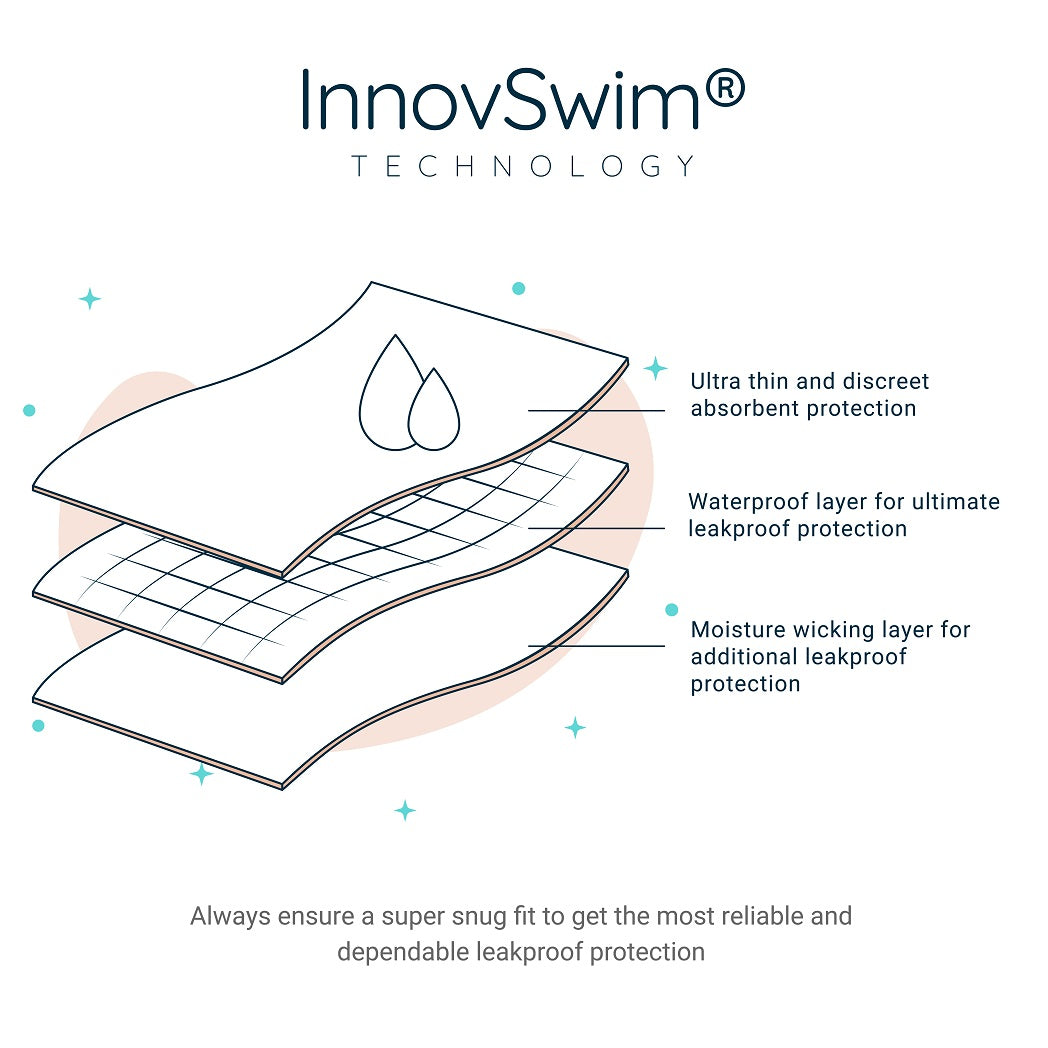
Smart fabrics: The core of the change
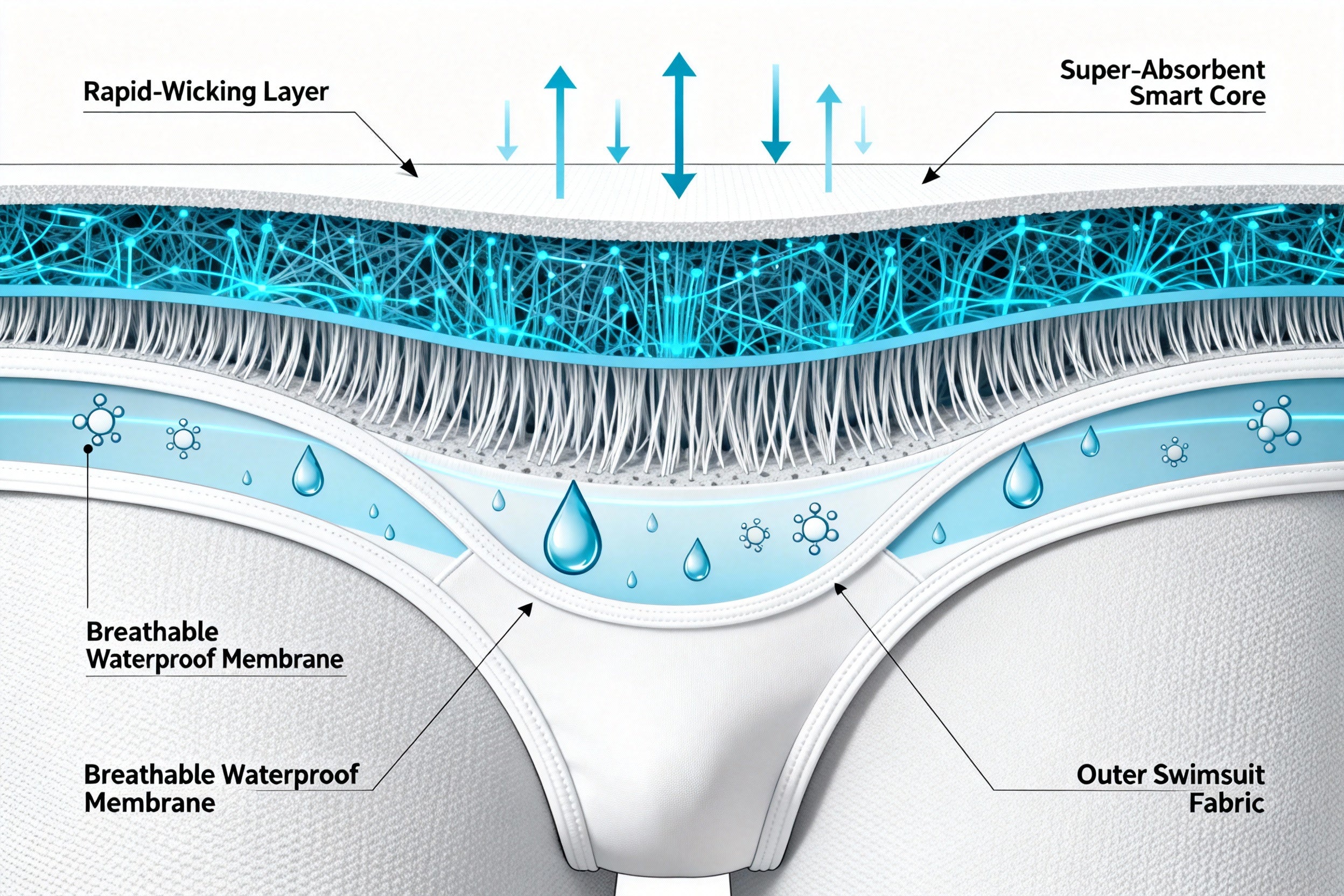
The heart of this revolution lies in the development of 'smart fabrics' – textiles engineered to respond to biological processes. In the context of period swimwear, this means materials capable of absorbing and locking in menstrual fluid, while remaining breathable and quick-drying. Microencapsulation is a key technology here. This process involves embedding absorbent polymers within the fabric itself, creating millions of microscopic reservoirs to trap fluid.
These aren’t the same polymers used in disposable pads either. We’re seeing a move towards superabsorbent polymers (SAPs) like sodium polyacrylate, which can absorb up to 300 times their weight in fluid. Responsive polymers are also gaining traction. These materials change their structure in response to changes in pH or temperature, allowing them to adjust their absorption rate based on flow intensity. This is where the "smart" element really comes into play.
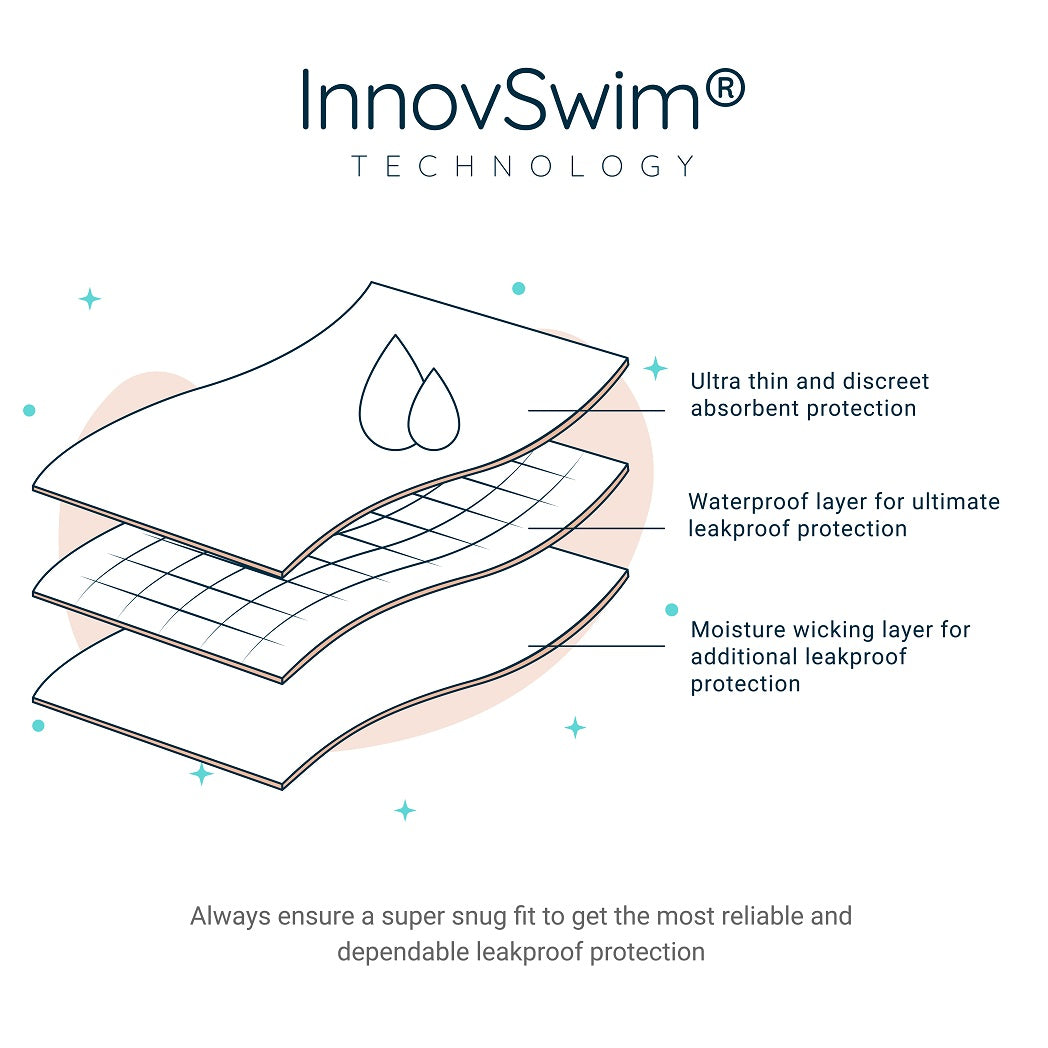
Breathability is a huge improvement over older designs. Traditional absorbent layers often felt hot and uncomfortable, but newer fabrics incorporate moisture-wicking fibers and breathable membranes. This helps to regulate temperature and prevent odor. Another important aspect is quick-drying capability. Nobody wants to spend hours feeling damp and uncomfortable after swimming. Modern period swimwear utilizes tightly woven fabrics and specialized finishes to minimize water absorption and accelerate drying times. Mordlanka, available on Amazon, offers options focused on rapid drying and comfort.
Flow-adaptive technology: Personalization
One of the biggest challenges with traditional period products is inconsistent flow. Some days are heavier than others, and a 'one size fits all' approach simply doesn’t cut it. That's why companies are moving towards flow-adaptive technology – swimwear that can adjust to your individual needs. This can take several forms, from adjustable layers to customizable fits.
Adjustable layers allow you to add or remove absorbent padding depending on your flow. Some brands are experimenting with modular designs, where you can swap out different layers for varying levels of protection. Customizable fits ensure that the swimwear provides a secure and comfortable seal, preventing leaks. This is particularly important for high-impact activities like surfing or water aerobics. The Period Company’s bikini options, for example, are designed with a snug fit for active lifestyles.
The potential for data collection, with user consent, is also exciting. Imagine swimwear that tracks your flow over time and provides personalized recommendations for absorption levels. This data could also be used to improve product design and develop even more effective solutions. However, it's crucial to address privacy concerns and ensure that user data is handled responsibly and securely. It’s a delicate balance between innovation and ethical considerations.
Find Your Perfect Period Swimwear Match
Period swimwear is evolving with innovative fabric technology, offering freedom and confidence during your period. But with different levels of absorbency available, finding the right fit for *your* flow is key. This quick quiz will help you determine your typical flow level, so you can choose period swimwear with the features best suited for you.
Beyond the beach: Versatility and style
Period swimwear is no longer limited to just swimming laps in the pool. It’s expanding into a wide range of water activities, including surfing, paddleboarding, water aerobics, and even water park adventures. This versatility is driving demand and pushing brands to develop swimwear that can withstand different levels of activity.
Design has come a long way too. Early period swimwear often prioritized function over fashion, resulting in bulky and unflattering designs. Today, we’re seeing a growing emphasis on style and aesthetics. Brands are offering a wider range of styles, including bikinis, one-pieces, shorts, and even rash guards. The Puma x Modibodi collaboration is a great example of this, blending athletic performance with stylish designs.
The range of options available is expanding rapidly. You can now find period swimwear in a variety of colors, patterns, and sizes. This allows you to choose swimwear that not only provides reliable protection but also makes you feel confident and comfortable. The focus is on creating swimwear that you want to wear, not just need to wear.
Durability and sustainability
The lifespan of period swimwear is a critical consideration. How many washes can these fabrics withstand before losing their absorbency? What happens when the elastic wears out or the fabric starts to break down? These are important questions that consumers are starting to ask. The durability of smart fabrics varies depending on the materials used and the manufacturing process.
The environmental impact is another major concern. Traditional period products contribute significantly to landfill waste, and some period swimwear fabrics may also contribute to microplastic pollution. This is why it's crucial to choose brands that are committed to sustainability. Look for swimwear made from recycled materials, organic cotton, or other eco-friendly alternatives.
Several brands are now offering recycling programs or end-of-life solutions for their products. This helps to reduce waste and minimize the environmental impact. However, creating truly sustainable period products remains a challenge. We need to continue to innovate and develop materials that are both effective and environmentally responsible. Transparency in the supply chain is also key, ensuring that products are manufactured ethically and with minimal environmental impact.
Featured Products
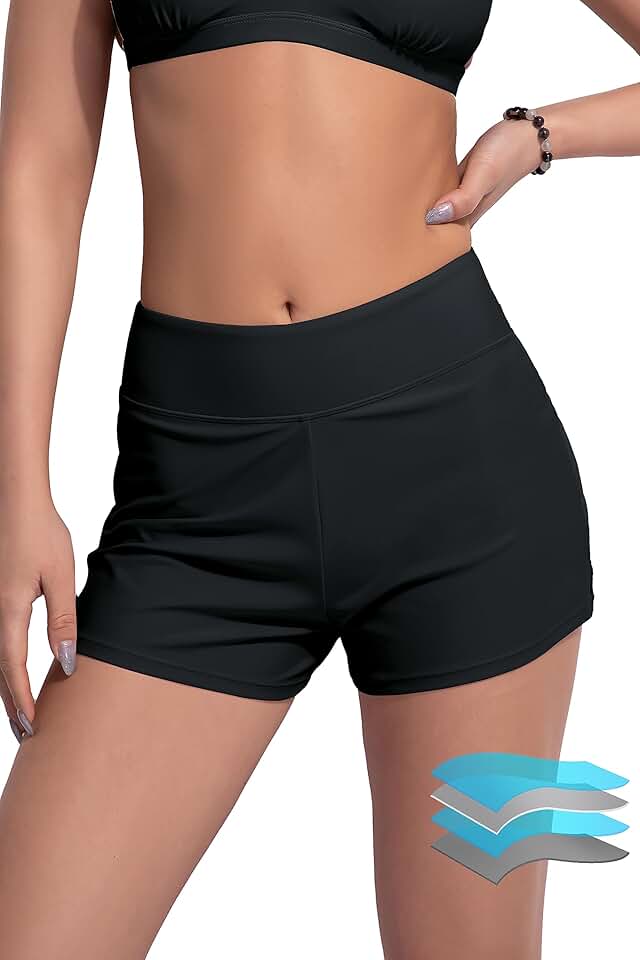
Leakproof technology for worry-free swimming · Quick-dry fabric for comfort · High-waisted design for secure fit
These highly-rated period swimwear options offer discreet, comfortable, and reliable protection, allowing you to enjoy your summer activities without worry.
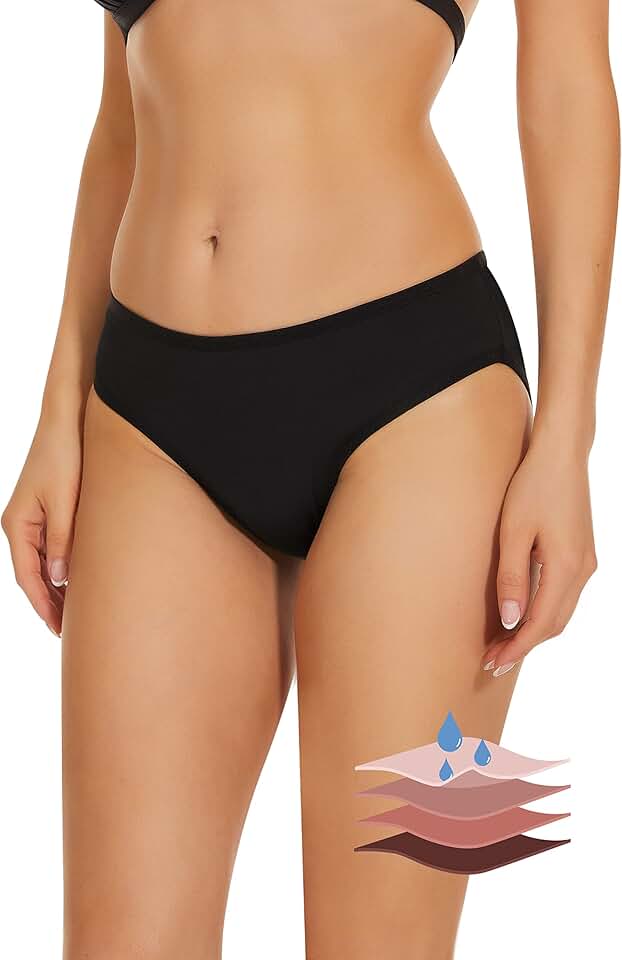
Leakproof bikini bottoms designed for menstrual protection · Comfortable and secure fit for active wear · Stylish design suitable for teens and women
These highly-rated period swimwear options offer discreet, comfortable, and reliable protection, allowing you to enjoy your summer activities without worry.

Waterproof and leakproof bikini briefs · Discreet protection during menstruation · Designed for comfort and confidence
These highly-rated period swimwear options offer discreet, comfortable, and reliable protection, allowing you to enjoy your summer activities without worry.

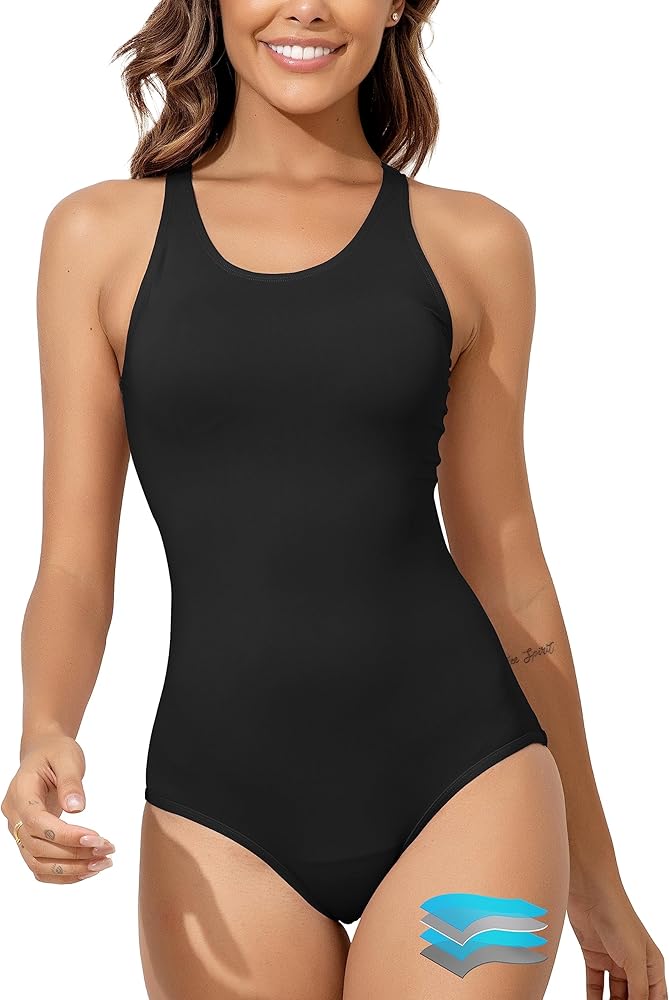
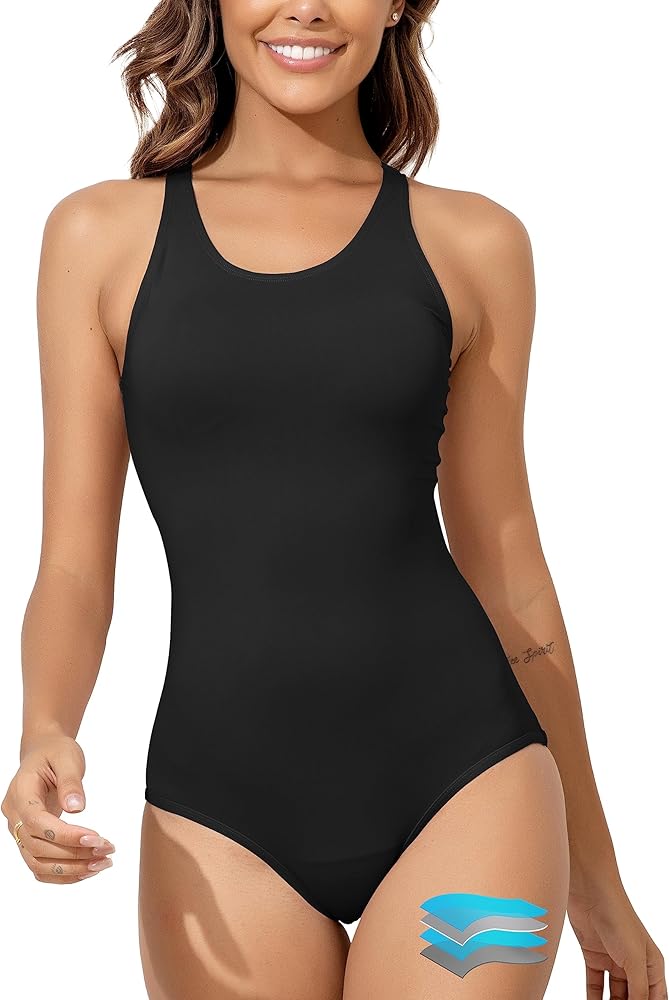
One-piece leak-proof menstrual bathing suit · Racerback design for training and active use · Provides reliable protection for swimming
These highly-rated period swimwear options offer discreet, comfortable, and reliable protection, allowing you to enjoy your summer activities without worry.
One-piece leak-proof menstrual bathing suit · Racerback style for athletic performance · Ensures secure and comfortable protection
These highly-rated period swimwear options offer discreet, comfortable, and reliable protection, allowing you to enjoy your summer activities without worry.
As an Amazon Associate I earn from qualifying purchases. Prices may vary.
Cost comparison: Investing in comfort
The upfront cost of period swimwear is typically higher than traditional period products like pads, tampons, or menstrual cups. A good quality pair of period swimwear can range from $80 to $150, depending on the brand and features. However, it’s important to consider the long-term cost savings. Unlike disposable products, period swimwear is reusable, meaning you don’t have to keep buying replacements every month.
Over a year, the cost of disposable pads or tampons can easily exceed $100. A menstrual cup might cost around $30-$40 initially, but needs replacing every few years. Period swimwear, while more expensive upfront, could potentially save you money in the long run, especially if you swim frequently. Proper care and maintenance are essential to maximize the lifespan of your swimwear. This includes rinsing it thoroughly after each use and washing it according to the manufacturer’s instructions.
Consider the convenience factor as well. Period swimwear eliminates the need to carry around pads or tampons when you’re swimming. It provides peace of mind and allows you to enjoy your time in the water without worrying about leaks. While the initial investment may seem significant, the long-term benefits – cost savings, convenience, and environmental sustainability – make it a worthwhile investment for many.
Period Protection Methods: A Comparative Overview (2024)
| Method | Initial Cost | Ongoing Cost | Comfort | Leak Protection | Environmental Impact |
|---|---|---|---|---|---|
| Period Swimwear | Medium | Low | High | High | Medium |
| Period Pads | Low | Medium | Medium | Medium | High |
| Tampons | Low | Medium | Low to Medium | Medium to High | Medium |
| Menstrual Cups | Medium | Low | Medium to High | High | Low |
| Reusable Period Pads | Medium | Low | High | Medium | Low |
| Period Underwear (general use) | Medium | Low | High | Medium to High | Medium |
Illustrative comparison based on the article research brief. Verify current pricing, limits, and product details in the official docs before relying on it.
Expert outlook on the future
Dr. Anya Sharma, a textile engineer specializing in smart fabrics, believes that we’re only scratching the surface of what’s possible. “The integration of biosensors into period swimwear is a logical next step,” she says. “Imagine swimwear that can detect hormonal changes and provide insights into your cycle.” However, she cautions that affordability and data privacy will be key challenges.
Sarah Jones, founder of a sustainable period swimwear brand, emphasizes the importance of circularity. “We need to move away from a linear "take-make-dispose" model and embrace a circular economy,” she explains. “This means designing products that are durable, repairable, and recyclable.” She also highlights the need for greater transparency in the supply chain.
Period health expert, Dr. Emily Carter, notes the growing demand for personalized solutions. “Women are becoming more aware of their individual needs and are looking for products that cater to those needs. The future of period swimwear is all about customization and empowerment.” The convergence of these perspectives suggests a future where period swimwear is not just a functional product, but a holistic solution that supports menstrual health and well-being.
No comments yet. Be the first to share your thoughts!