

Beyond Leaks: The 2026 Swimwear Shift
Remember that feeling? You’re finally planning a beach day, or a pool party is on the calendar, and then…your period arrives. For years, the options felt limited: risk a leak, skip the swim, or resort to less-than-ideal makeshift solutions. Those days are, thankfully, fading fast. Period swimwear has undergone a significant revolution, and by 2026, it’s no longer just about preventing leaks.
The early attempts at period swimwear often felt bulky and uninspired. They were functional, yes, but not exactly something you’d choose to wear based on style or comfort. Now, we’re seeing a genuine shift. Innovations in fabric technology, coupled with a growing demand for sustainable and body-positive products, are driving a wave of change. Brands are focusing on creating swimwear that feels good, looks good, and provides reliable protection.
This isn’t just a technological leap; it’s a cultural one. The conversation around menstruation is becoming more open, and that’s translating into a desire for products that empower people to live their lives fully, regardless of their cycle. We’re moving beyond shame and secrecy towards acceptance and innovation. The goal is to make swimming during your period as effortless and enjoyable as swimming at any other time.
The 2026 landscape isn't about settling for leak protection; it's about demanding comfort, style, and sustainability all in one. It’s about feeling confident and carefree, whether you’re catching waves or lounging by the pool. This guide will break down everything you need to know to navigate the evolving world of period swimwear, from the tech behind it to the best options for your needs.
Tech Layers: How Leak-Proof Works
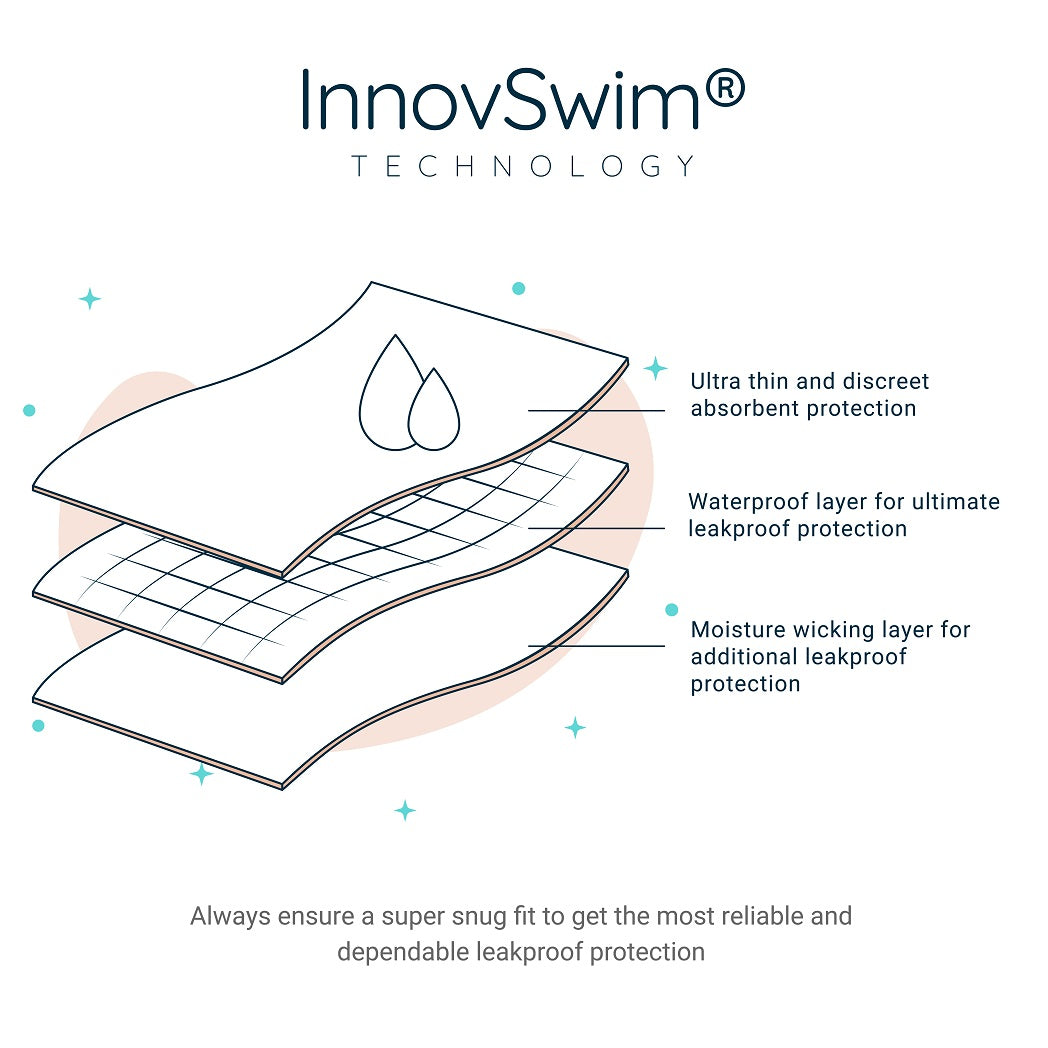
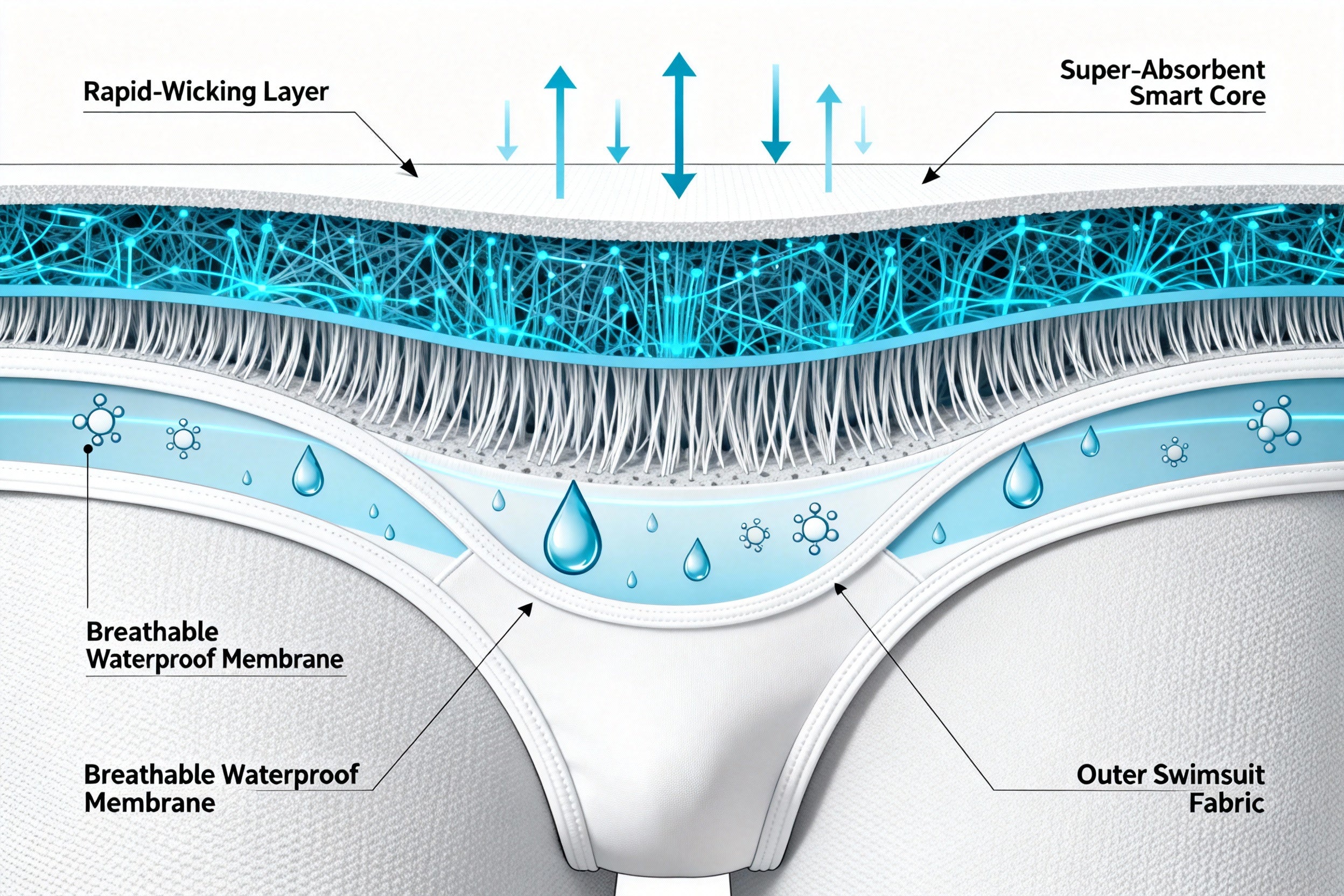
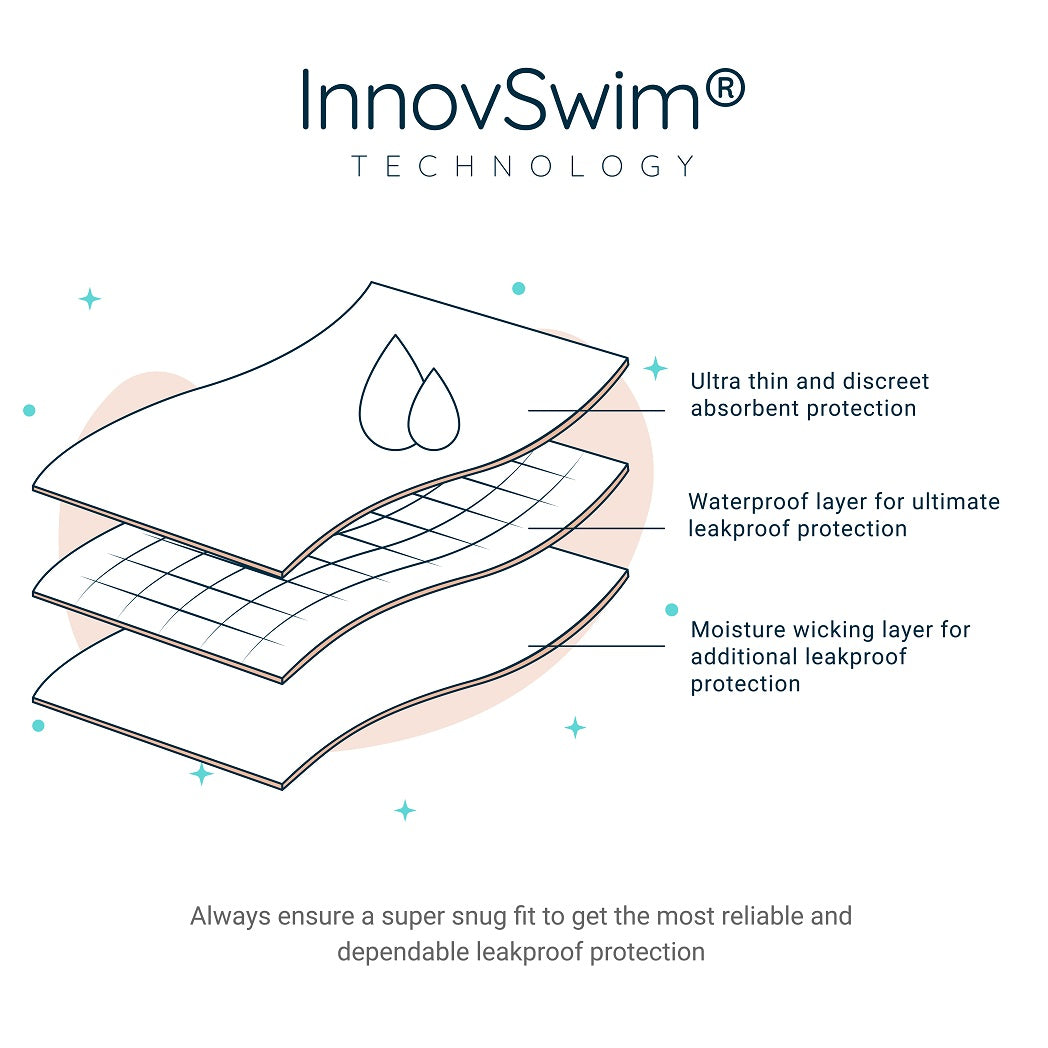
At the heart of every period swimwear piece is a carefully engineered system of layers, designed to absorb menstrual fluid and prevent leaks. It’s not a single magic fabric, but a combination of materials working together. Understanding these layers is key to choosing the right suit for you. Typically, you’ll find three core components: an absorbent core, a leak-proof barrier, and a quick-drying outer layer.
The absorbent core is the workhorse of the suit. Many brands, like Modibodi, utilize a proprietary technology. Their suits use a built-in absorbent gusset that can hold up to 2 teen cups of fluid, designed to draw moisture away from the skin. Other brands may use organic cotton or bamboo fibers for their absorbency. The key is to look for materials that are both highly absorbent and breathable to prevent discomfort.
Next is the leak-proof barrier. This is usually a polyurethane laminate (PUL) layer, or a similar waterproof material, that prevents fluid from escaping. It’s crucial that this layer extends throughout the entire gusset area to provide complete protection. Snuggs period swimwear focuses on a leak-proof layer that creates a secure seal. The quality of this barrier directly impacts the suit’s reliability.
Finally, the outer layer is designed for comfort and quick drying. Most suits are made from materials like nylon or spandex blends, which are durable, stretchy, and dry quickly after swimming. It’s important to note that even the most advanced suits have a capacity limit. While many suits can hold a significant amount of fluid, it’s still advisable to change your suit every 4-8 hours, depending on your flow. A good rule of thumb is to consider it like a tampon – it needs to be changed regularly.
Different brands approach these layers slightly differently. Some prioritize maximum absorbency, while others focus on a thinner, more discreet profile. It’s important to read product descriptions carefully and consider your individual needs when making a choice.
Styles in 2026: Beyond Basic Black
Gone are the days when period swimwear meant limited options and utilitarian designs. In 2026, the range of styles is impressively diverse. You can find everything from classic bikinis and one-piece swimsuits to sporty swim shorts and rash guards, all engineered with leak-proof technology. The aesthetic has evolved dramatically, with brands embracing color, patterns, and flattering cuts.
Brands like Period. Co are leading the charge in offering stylish and sustainable options. They specialize in organic cotton bikinis designed for heavy flows, proving that period swimwear can be both functional and fashionable. We’re also seeing a rise in bolder prints and vibrant colors, moving away from the traditionally "clinical" look.
Sizing and inclusivity are also improving. Many brands are now offering a wider range of sizes, including plus-size options, to cater to diverse body types. This is a significant step towards making period swimwear accessible to everyone. Look for brands that provide detailed size charts and offer clear guidance on finding the right fit.
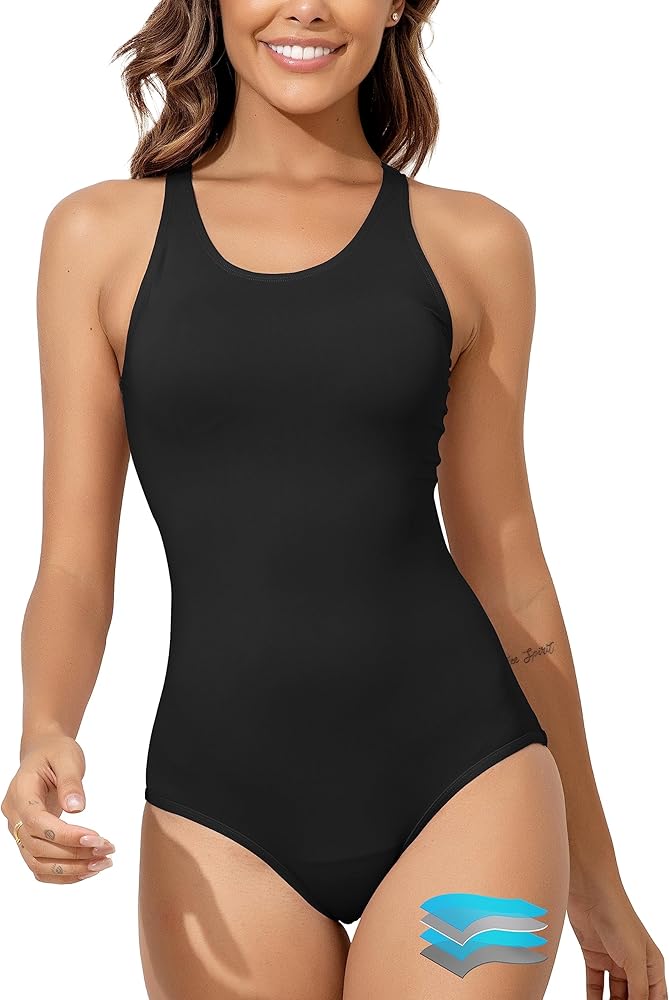
Trends in 2026 include high-waisted bottoms, sporty one-pieces with racerback details, and rash guards offering sun protection and added security. The focus is on creating swimwear that you’ll feel confident and comfortable wearing, whether you’re actively swimming or simply relaxing by the water.
- Bikinis: Classic and modern cuts with built-in protection.
- One-pieces: Sporty and stylish options for full coverage.
- Swim shorts: A comfortable and versatile choice for active swimmers.
- Rash guards: Provide sun protection and added security.
Period Swimwear Brands
- Thinx Swim - Known for its comfortable and sustainable approach, Thinx Swim offers a range of period swimwear including bikinis, one-pieces, and swim shorts. Their styles are generally minimalist and focus on functionality. Price range: $80 - $150.
- Ruby Love - Ruby Love provides period swimwear alongside other period products. They offer a variety of styles, from sporty to more classic designs, with a focus on dark colors to minimize visibility. Price range: $70 - $130.
- Modibodi - An Australian brand, Modibodi offers period swimwear with varying absorbency levels. Their aesthetic is modern and practical, with a focus on activewear-inspired designs. Price range: $90 - $160.
- Proof - Proof offers leak-proof swimwear designed for a variety of activities. Their styles lean towards classic and comfortable, with a focus on performance and durability. Price range: $85 - $145.
- Knix Swim - Knix offers a seamless line of period swimwear, focusing on comfort and discretion. Their styles are generally sleek and modern, available in one-pieces and bikinis. Price range: $70 - $120.
- Aisle (formerly Lunapads) - Aisle provides a range of sustainable period products, including period swimwear. Their styles are practical and comfortable, with a focus on eco-friendly materials. Price range: $60 - $110.
Absorbency Levels: Matching Suit to Flow
Choosing the right absorbency level is crucial for ensuring a leak-free experience. Period swimwear brands typically categorize absorbency based on flow – light, medium, and heavy. It’s important to understand how these levels translate into real-world protection.
Many brands, like Modibodi, provide guidance based on tampon equivalents. For example, a "light’ absorbency suit might be comparable to wearing a light tampon, while a ‘heavy’ absorbency suit could hold the equivalent of a super tampon. However, it"s important to remember that these are just estimates. Individual flow varies significantly.
If you typically experience a light flow, a lighter absorbency suit should suffice. For medium flows, a medium absorbency suit is a good starting point. If you have a heavy flow, opt for a heavy absorbency suit or consider using a backup method, such as a menstrual cup or reusable pad, for added security.
It’s also important to be realistic about the limitations of period swimwear. Even the most absorbent suits aren’t a substitute for changing regularly during a very heavy flow. If you’re concerned about leaks, it’s always better to err on the side of caution and choose a higher absorbency level or change your suit more frequently. Don't expect a single suit to last all day during peak flow; plan for changes.
Find Your Perfect Period Swimwear Absorbency
Ready to dive into leak-proof swimming? Knowing your typical flow is the first step to choosing period swimwear that’s right for you. This quick quiz will help you determine your flow level and guide you towards the best absorbency for comfortable, confident swims, even during your period.
Care & Longevity: Making it Last
Period swimwear requires a little extra care to maintain its effectiveness and extend its lifespan. Proper washing and storage are essential. Always rinse your suit thoroughly with cold water immediately after use to remove any residual fluid.
Machine washing is generally recommended, but use a mild detergent and avoid fabric softeners, bleach, and harsh chemicals. These can damage the absorbent layers and compromise the suit’s leak-proof properties. Wash your suit in a lingerie bag to protect it from snagging or damage. Air drying is preferable to using a dryer, as heat can also degrade the fabric.
Chlorine and saltwater can also affect the fabric over time, so it's best to rinse your suit with fresh water after each swim, even if you're only swimming in a pool. While the materials are designed to withstand exposure, prolonged contact can eventually cause fading or weakening of the fibers.
Proper storage is also important. Avoid storing your suit in a sealed plastic bag, as this can trap moisture and promote bacterial growth. Instead, store it in a breathable bag or hang it to air dry completely before putting it away. With proper care, your period swimwear can last for many swims to come.
Sustainability & Ethical Considerations
The environmental impact of period products is a growing concern, and period swimwear is no exception. Traditional disposable pads and tampons generate a significant amount of waste, and even some reusable options can have a considerable carbon footprint. When choosing period swimwear, it’s important to consider the materials used and the manufacturing process.
Look for brands that prioritize sustainable materials, such as organic cotton, recycled nylon, or bamboo fibers. These materials have a lower environmental impact than conventional synthetics. Also, consider the production methods. Are the suits made in factories that adhere to fair labor practices? Are the brands transparent about their supply chains?
While no option is entirely without environmental impact, some brands are making significant strides towards sustainability. For example, some companies use recycled materials in their packaging and offer take-back programs to recycle old suits. It’s about making informed choices and supporting brands that are committed to reducing their environmental footprint.
Reusable period swimwear contributes to waste reduction compared to disposable alternatives. By choosing a reusable suit, you’re reducing the amount of plastic and other materials that end up in landfills. It's a small change that can make a big difference over time.
Period Swimwear Brand Sustainability Comparison - 2026
| Brand | Materials | Manufacturing Practices | Packaging | End-of-Life Options |
|---|---|---|---|---|
| Modibodi | Utilizes recycled nylon and elastane blends. Focus on breathable, quick-drying fabrics. | Information regarding specific factory conditions is limited publicly, but states a commitment to ethical production. | Recyclable packaging is used for shipping. | No specific take-back or recycling program currently available. |
| Period Co. | Employs organic cotton and plant-based waterproof layers in some designs. | Partners with factories committed to fair labor practices; details are available upon request. | Minimalist packaging, primarily using recycled cardboard. | Offers a recycling program for Period Co. products (details on website). |
| Thinx | Uses organic cotton and a blend of materials for absorbency and leak protection. | Partners with factories that adhere to SA8000 standards, focusing on worker wellbeing. | Ships in recycled and recyclable packaging. | Offers a recycling program called ThinxCycle, accepting used Thinx products for repurposing. |
| Ruby Love | Utilizes a blend of fabrics including organic cotton and PUL (polyurethane laminate) for waterproofing. | Manufacturing details are not extensively publicized. | Packaging is primarily plastic, with some recycled content. | No publicly available end-of-life program. |
| Proof. | Focuses on utilizing Econyl® regenerated nylon, a material made from ocean waste. | Works with factories that prioritize fair wages and safe working conditions. | Ships in minimal, plastic-free packaging. | Encourages customers to responsibly dispose of products, but does not offer a take-back program. |
| WAMA | Uses organic cotton and plant-based waterproof lining. | Manufactured in the USA, supporting domestic labor standards. | Ships in compostable packaging. | Offers a textile recycling program through a partnership with TerraCycle. |
Illustrative comparison based on the article research brief. Verify current pricing, limits, and product details in the official docs before relying on it.
Beyond the Swimsuit: Complementary Products
Period swimwear doesn’t have to be your only line of defense. Complementary products can provide extra security and peace of mind, especially during heavier flow days. Period underwear, for example, can be worn before and after swimming to provide additional absorbency. These are a great option for the journey to and from the beach or pool.
Reusable pads can also be used as a backup for extra protection. Menstrual cups are another popular choice, offering long-lasting leak-free protection. These can be worn in conjunction with period swimwear for added confidence. Explore different combinations to find what works best for your body and flow.
Periuod offers a wide range of articles and resources on all aspects of menstrual health, from choosing the right period underwear to understanding your cycle. We aim to be a comprehensive resource for all things period-related. This allows for a holistic approach to period care, ensuring you feel prepared and comfortable throughout your cycle.
What is your biggest concern when swimming during your period?
We want to hear from you! Understanding your top concerns helps us provide better guidance on period swimwear and menstrual health solutions. Vote below and see how your experience compares with the community!
What's Next: Innovations to Watch
The future of period swimwear is brimming with possibilities. We’re likely to see continued advancements in fabric technology, with the development of even more absorbent and quick-drying materials. Smart fabrics that adjust absorbency based on your flow are a potential game-changer.
Personalized designs are also on the horizon. Imagine a suit that’s custom-fitted to your body and tailored to your specific flow. Integration with period tracking apps could also provide valuable insights and help you anticipate your needs. Some companies are exploring biodegradable materials to further reduce the environmental impact.
However, it’s important to be realistic. These innovations are still in development and may take time to become widely available. The focus will likely remain on improving existing technologies and making period swimwear more accessible and affordable. It’s a dynamic field, and we can expect to see exciting new developments in the years to come.
Ultimately, the goal is to create period swimwear that’s so comfortable, convenient, and stylish that it becomes a seamless part of your life. A future where your period never holds you back from enjoying the water.
No comments yet. Be the first to share your thoughts!