

What the Budget Buys
Price tiers in period tracking apps usually map directly to the depth of AI analysis and support features. Free versions typically offer basic cycle logging and standard predictions based on historical averages. These are sufficient for users who simply want to anticipate their next period without deeper health insights.
Paid subscriptions, often ranging from $5 to $15 per month, unlock advanced features like AI-driven symptom correlation, fertility window accuracy, and personalized health reports. Some platforms include access to AI companions or telehealth consultations, which can be valuable for users managing complex conditions like PCOS or endometriosis. The trade-off is clear: you pay for precision and professional-grade insights.
When evaluating costs, consider whether you need just prediction or comprehensive cycle management. For many users, a mid-tier plan offering accurate ovulation tracking and symptom logging provides the best balance of cost and utility. Always check for annual discounts, which can significantly reduce the monthly cost over time.
Models worth checking first
Check before you buy
AI period trackers promise precision, but the underlying technology varies wildly. Some apps rely on simple calendar algorithms, while others ingest complex biometric data from wearable sensors. Before committing to a subscription, verify that the prediction engine actually matches your needs. A generic calendar app will not catch the subtle hormonal shifts that AI models are designed to detect.
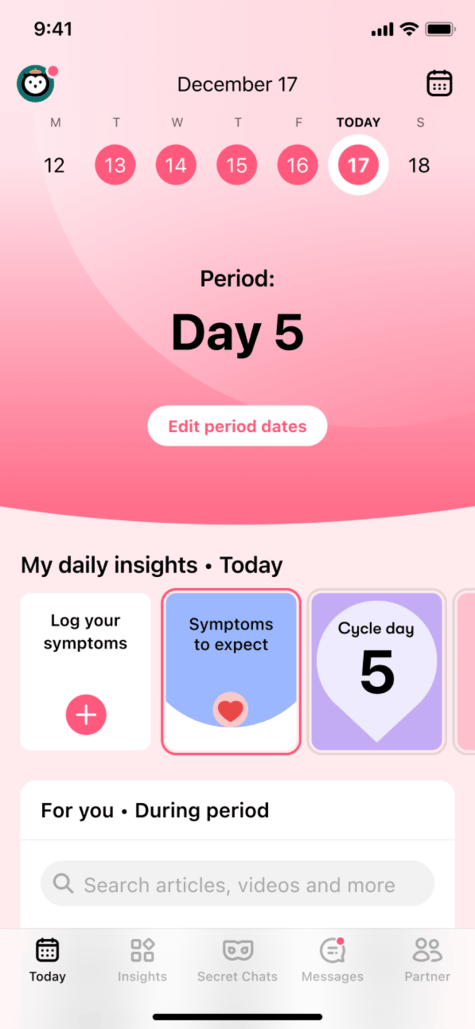
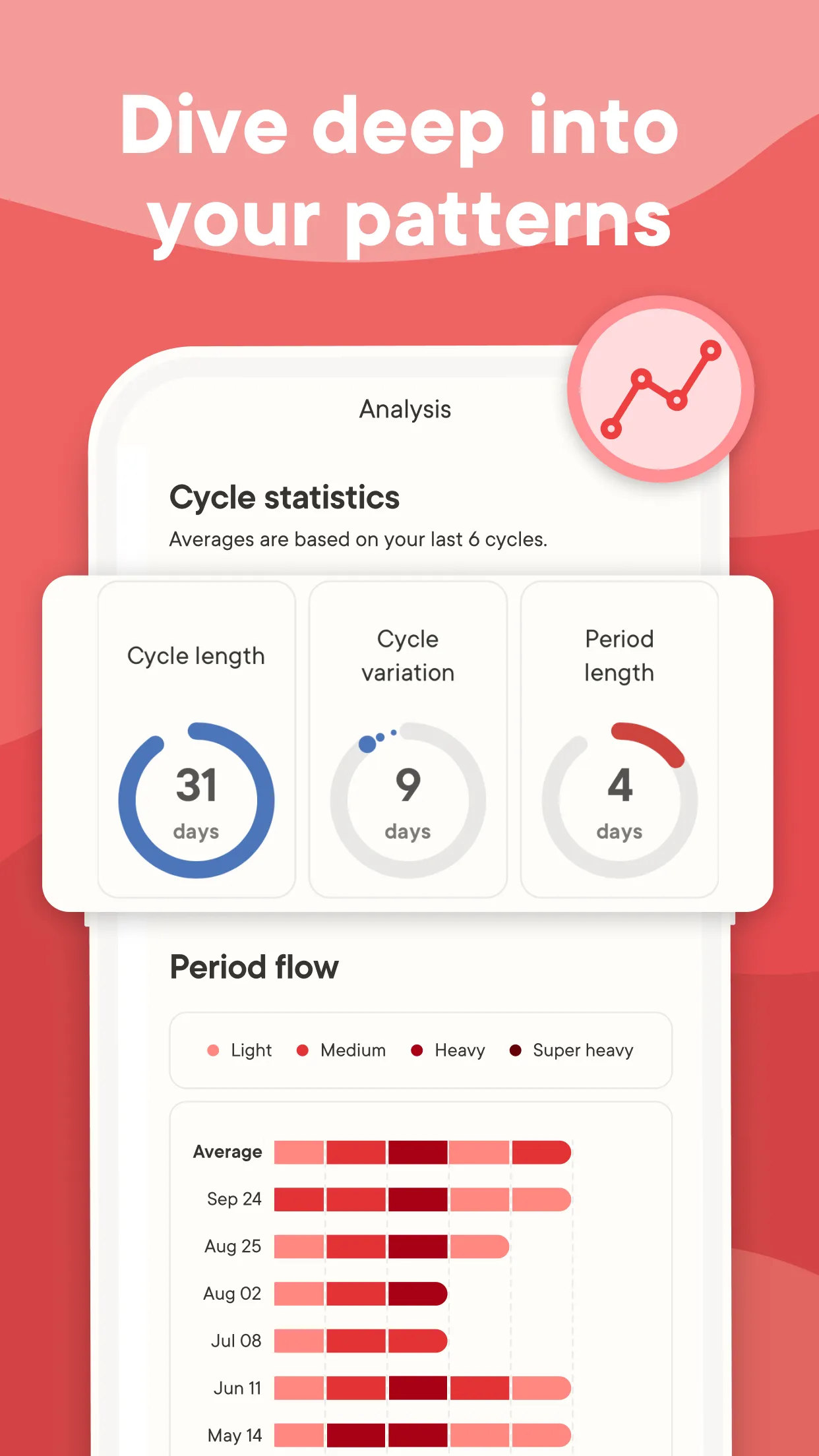
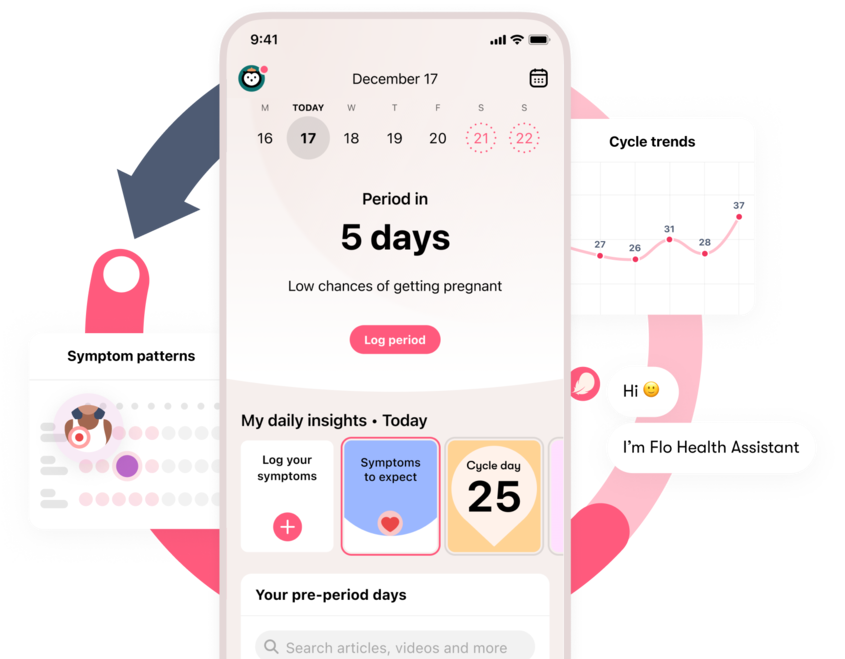
Start by inspecting the data inputs. High-end AI trackers like Premom or Flo often require you to log temperature, cervical mucus, or symptoms daily to train their models. If you are unwilling to provide this granular data, the AI predictions will be no better than a standard calendar. Check if the app supports integration with your existing wearables, such as Oura or Apple Watch, to automate this data collection.
Next, scrutinize the privacy policy. Menstrual data is sensitive health information. Ensure the app uses end-to-end encryption and clearly states that it does not sell your cycle data to third-party advertisers. Some platforms share anonymized data for research, which is fine, but others may sell insights to insurance or pharmaceutical companies. Look for explicit consent toggles for data sharing.
Finally, test the prediction accuracy during a free trial. Most premium apps offer a 7-day or 30-day trial. Log your cycle for the full duration and compare the app’s ovulation and period predictions against your actual dates. If the margin of error is wide, the AI model may not be calibrated for your specific cycle irregularities.


As an Amazon Associate, we may earn from qualifying purchases.
Costs That Change the Math
A low upfront price for a period tracker often masks the real expense: time and subscription fatigue. Most AI-powered apps rely on recurring revenue models to fund their machine learning algorithms. If you switch apps frequently to chase the best prediction, you are paying for the same data twice.
The hidden cost is also the "data tax." Premium features like cycle anomaly detection or integration with wearables often require higher-tier plans. A free app might offer basic logging, but the accuracy that matters for health decisions usually sits behind a paywall. Check the fine print for auto-renewal traps that are difficult to cancel.
When a cheap buy stops being cheap is when the app loses its predictive power. If an app doesn't update its model based on your new cycle data, it becomes a static calendar. You end up managing your health with outdated information, which can lead to missed windows for conception or unnecessary anxiety. The best value comes from an app that learns and improves, not one that just records.

As an Amazon Associate, we may earn from qualifying purchases.
Focus on the total cost of ownership. This includes the subscription fee, the time spent re-entering data when switching apps, and the potential cost of inaccurate predictions. Sometimes, paying for a premium plan is cheaper than the hassle of managing multiple free tools.
Common questions about AI period tracking
How accurate are AI period trackers compared to traditional calendar methods?
AI-driven models significantly outperform standard calendar calculations by analyzing complex patterns rather than relying on rigid averages. Platforms like Flo Health use AI to process over 70 different symptoms and events, allowing for highly personalized predictions. Similarly, Clue’s algorithm adjusts estimates based on your unique cycle variability, offering a more reliable forecast of your next period and fertile window than static 28-day assumptions.
Can these apps predict ovulation and fertility accurately?
Yes, but with important caveats. Apps like Natural Cycles use basal body temperature data alongside cycle history to identify fertile windows with clinical-grade precision. However, most general trackers provide probabilistic estimates rather than medical guarantees. For those seeking conception or contraception, it is essential to understand that AI predictions are tools for insight, not substitutes for professional medical advice or clinical testing.
Is my menstrual data safe with AI-powered apps?
Data privacy is a critical consideration when using health apps. Look for platforms that offer end-to-end encryption and transparent data policies. Some apps, like Clue, emphasize privacy-first design by not selling user data to advertisers. Always review the app’s terms of service to understand how your cycle data is stored, processed, and shared, especially given the evolving legal landscape surrounding reproductive health data in 2026.
Do AI period trackers work for irregular cycles?
Traditional calendar methods often fail for users with irregular cycles, but AI is specifically designed to handle this variability. By learning from your historical data over time, these apps adapt to your unique rhythm. Cassia, for example, uses AI to predict cycles even when patterns are inconsistent, providing a more stable baseline than manual tracking. This makes AI tools particularly valuable for those with PCOS, perimenopause, or other conditions that cause cycle fluctuations.
No comments yet. Be the first to share your thoughts!