
Decoding Pad Absorbency Levels
The period product aisle can be overwhelming. With so many pads and sizes, understanding absorbency levels is a good starting point. Finding the right pad can make a big difference in comfort.
Most pads are categorized into four main absorbency levels: Light, Regular, Super, and Overnight. 'Light' pads are designed for spotting or very light flow days – think the beginning or end of your period. 'Regular' is a good starting point for a moderate flow, while 'Super' pads are for heavier flow days where you need more protection. Finally, 'Overnight' pads are longer and thicker, meant to prevent leaks while you sleep.
Pad length can be confusing. A longer pad doesn't always mean higher absorbency, though they often correlate. Length mainly affects coverage and leak protection, especially overnight. Experiment to find what feels most secure. Absorbency needs also influence materials; higher absorbency pads typically need thicker cores.
Flow varies throughout your cycle and from person to person. What feels like 'Regular' one day might be 'Super' the next. Pay attention to your body and adjust your pad choice. Don't feel pressured to stick to one type if it isn't working.
Organic Cotton vs. Conventional Pads
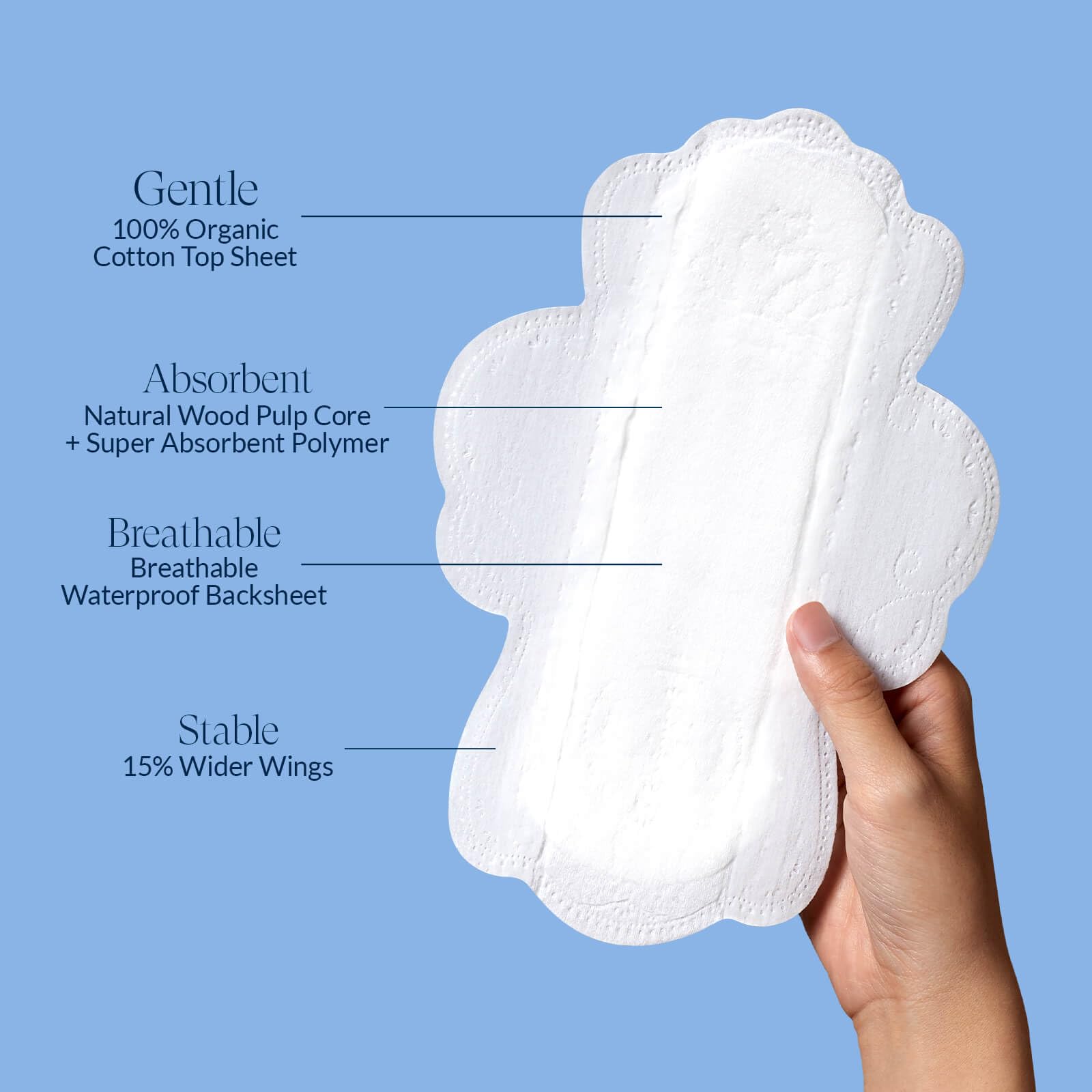
Pad materials impact comfort, health, and the environment. Conventional cotton, common in pads, is a pesticide-intensive crop. Organic cotton is grown without synthetic pesticides, herbicides, or genetically modified seeds.
Conventional cotton can leave residue, potentially causing skin irritation or allergic reactions, especially for sensitive skin. The FDA provides guidance for menstrual product safety testing but doesn't mandate organic materials.
Many pads also contain rayon, wood pulp, and superabsorbent polymers (SAPs). Rayon is a processed fiber for absorbency, wood pulp provides bulk, and SAPs absorb many times their weight in fluid. These materials aren’t always sourced sustainably or transparently.
Skin sensitivities can extend to these other materials. Some people react to rayon processing chemicals or the synthetic nature of SAPs. Choosing pads with certified organic cotton and transparently sourced materials can minimize these risks. Be informed and choose what feels best for your body.
Biodegradable & Compostable Options: What's Real?
The term 'biodegradable' is used often for sustainable period products. Understand what it means and doesn't mean. A truly biodegradable pad should break down into natural components quickly, but the reality is complex.
Many 'biodegradable' pads have only some biodegradable components, like the cotton top sheet. The plastic backing and SAPs remain a challenge. SAPs are synthetic and don't readily break down, even in landfills. Most conventional plastics take hundreds of years to decompose.
Compostable pads go further. They break down in a composting environment, with a distinction between home and industrial composting. Home composting requires specific conditions most pads won’t achieve. Industrial composting facilities are more effective.
Look for brands upfront about materials and disposal. Check for certifications like OK Compost HOME or OK Compost INDUSTRIAL. Be wary of vague claims and greenwashing. When evaluating a biodegradable pad, consider: What percentage is biodegradable? What are the disposal requirements? Is the brand transparent about its supply chain?
- Percentage of biodegradable materials
- Disposal requirements (home vs. industrial composting)
- Brand transparency regarding supply chain
Pad Styles: Beyond the Standard Shape
Period pads aren't just rectangles. There's variety in styles, designed for different needs. The basic distinction is between winged and wingless pads. Wings wrap around underwear sides, providing security and preventing leaks.
Wingless pads are a good option if you find wings irritating or if your underwear already provides a snug fit. Contoured pads are shaped to better fit the curves of your body, offering a more comfortable and secure feel. Straight pads are the traditional, rectangular shape. Pad liners are thinner and shorter, ideal for light flow days or as backup protection with a menstrual cup.
For overnight protection, many brands offer pads with extended wings for more coverage and leak prevention. The right style depends on your body type, activity level, and preference. Someone very active might prefer a contoured pad with wings for security.
Wing adhesion can be an issue. Some wings use adhesives that irritate sensitive skin. If this happens, look for pads with hypoallergenic adhesives or consider wingless options. Finding a comfortable and secure style is key to a positive period experience.
Top Period Pad Picks for 2026
The period pad market is evolving, with more sustainable and comfortable options appearing. Here are a few standouts for 2026, categorized by strengths. Prices are approximate and subject to change.
For Organic Comfort: Rael Organic Cotton Pads ($9 - $12 per pack) are soft and absorbent, made with 100% organic cotton and free of fragrances and dyes. For Sensitive Skin: Natracare Organic Cotton Pads ($10 - $14 per pack) are certified organic and plastic-free, made with plant-based materials.
For Biodegradable Options: Loop Organic Pads ($12 - $16 per pack) are made with organic cotton and a plant-based back sheet, making them more biodegradable than conventional pads. For Heavy Flow: Always Ultra Thin Pads with Wings ($8 - $10 per pack) offer excellent absorbency and leak protection. They're widely available and affordable.
Innovative Design: Thinx Super Owl Pads ($35 for 3-pack) offer a reusable option with a built-in absorbent core and waterproof backing. They're an investment upfront but can save money and reduce waste. Budget-Friendly Choice: U by Kotex Security Ultra Thin Pads with Wings ($6 - $8 per pack) provide good absorbency and comfort at an affordable price. For Overnight Protection: Seventh Generation Overnight Pads ($10 - $12 per pack) are designed for maximum leak protection while you sleep, made with plant-based materials.
Unique Feature: Dame Organic Pads ($15 for 10-pack) have an innovative design and commitment to transparency. They’re made with organic cotton and a biodegradable back sheet, shipped in plastic-free packaging. Subscription Service: Lola Organic Cotton Pads ($10 - $15 per month, subscription) offer a convenient, customizable subscription service, delivering pads directly. Eco-Friendly Packaging: August Organic Cotton Pads ($12 - $16 per pack) use eco-friendly packaging and organic cotton materials.
Featured Products

Made with 100% organic cotton cover · Ultra-thin design with wings for secure fit · Moderate absorbency, suitable for regular flow
These pads offer a natural and comfortable option with their organic cotton cover and unscented design, suitable for moderate flow needs.
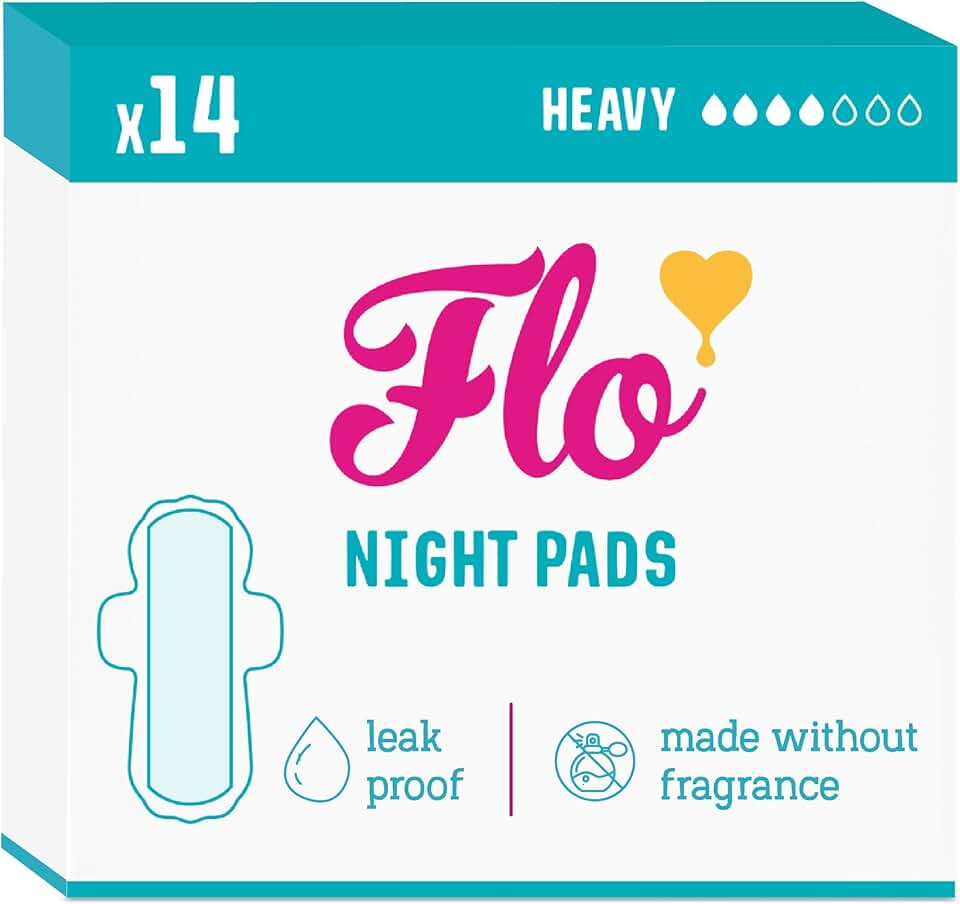
Crafted from organic bamboo for softness and breathability · Designed for heavy flow with leak-locking technology · Ultra-thin, winged design for enhanced protection
Flo pads provide excellent absorbency for heavy flow using sustainable organic bamboo, ensuring comfort and leak protection.

Ultra-thin pads with flexible wings for a secure fit · Regular absorbency for everyday use · Unscented to minimize irritation
Amazon Basics offers a reliable and eco-conscious choice with their ultra-thin, unscented pads that are GreenCircle Certified.

Maxi overnight pads with extra heavy overnight absorbency · Size 5 for maximum coverage · Designed with wings for secure fit during sleep
Always Maxi Overnight pads provide superior protection for heavy overnight flow with their extra absorbency and secure-fit design.
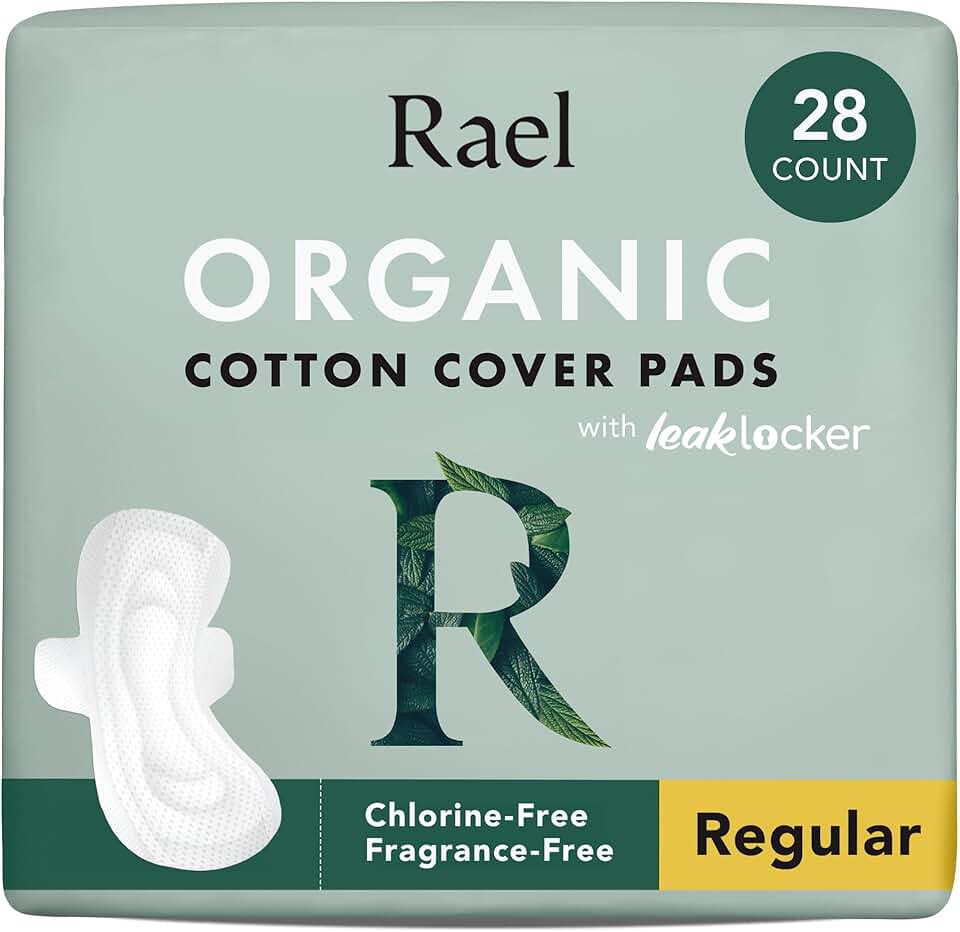
Made with 100% organic cotton cover · Regular absorbency for everyday needs · Ultra-thin and unscented with wings
These Rael pads are a gentle, organic choice for regular absorbency, featuring an ultra-thin design and unscented finish.
As an Amazon Associate I earn from qualifying purchases. Prices may vary.
Addressing Common Pad-Related Irritations
Chafing, rashes, and allergic reactions are common with period pads. Irritations can stem from pad materials, fragrances, dyes, or underwear fit. Identifying the cause is the first step to relief.
Fragrances and dyes often cause issues
To prevent irritation, change your pad frequently – ideally every 4-8 hours. Avoid tight-fitting underwear, which can trap moisture and increase friction. Opt for breathable cotton underwear instead. Consider using a barrier cream, like zinc oxide, to protect your skin from irritation. If irritation persists, consult a healthcare professional.
Beyond Pads: Considering Alternatives
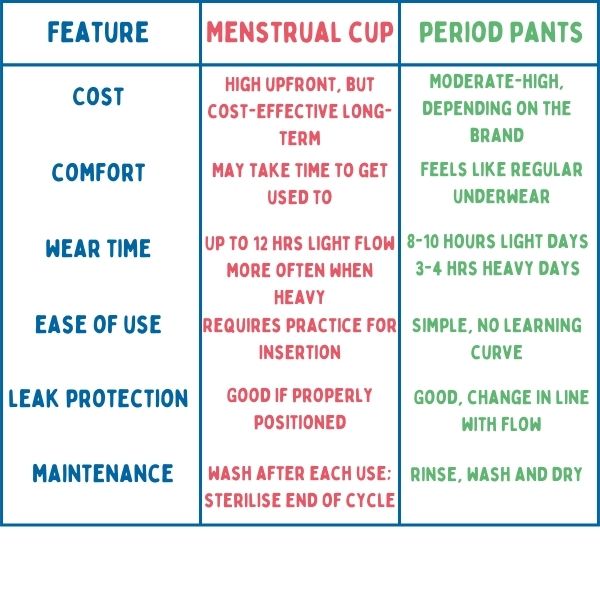
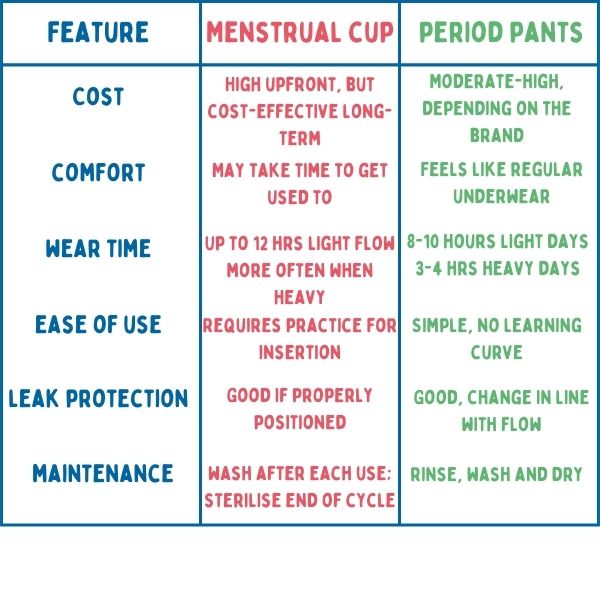
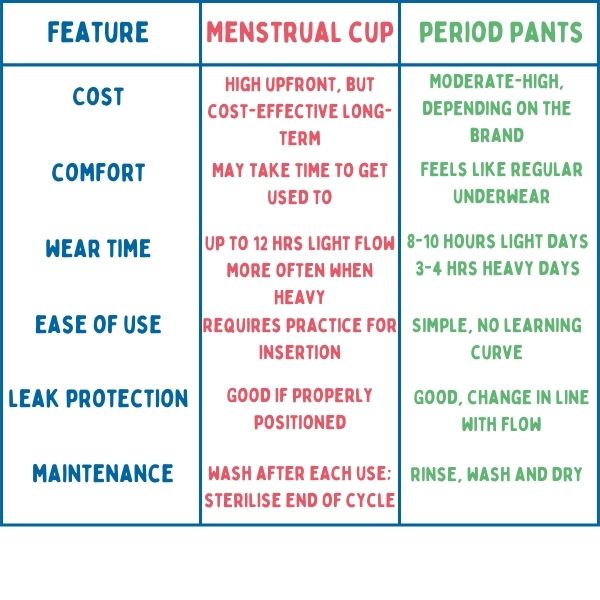
While pads are a convenient and widely available option, they aren’t the only way to manage your period. Period underwear, menstrual cups, and tampons are all viable alternatives, each with its own set of pros and cons. The best product for you depends on your lifestyle, flow, and personal preferences.
Ultimately, menstrual health is about finding what works best for your body. Don't be afraid to experiment with different options until you find a solution that feels comfortable, convenient, and sustainable. Explore Periuod's comprehensive guides to period underwear, menstrual cups, and tampons to learn more.
No comments yet. Be the first to share your thoughts!