

Beyond the basics
Pads and tampons aren't the only defaults anymore. While these were niche products in 2021, by 2026, menstrual cups and period underwear are standard shelf items. The tech has moved fast, shifting from basic silicone plugs to anatomically specific designs.
Menstrual cups, small, flexible devices inserted into the vagina to collect menstrual fluid, have evolved from basic silicone designs to options with varying firmness levels and shapes to accommodate different anatomies. Period underwear, designed to absorb menstrual flow, has moved beyond simple black cotton briefs to include a wide range of styles, absorbencies, and fabrics. We're seeing more brands experiment with different gusset designs and leak-proof technologies.
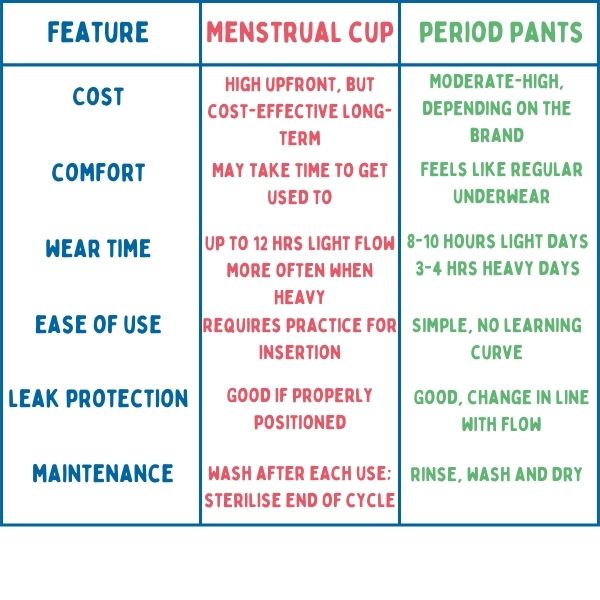
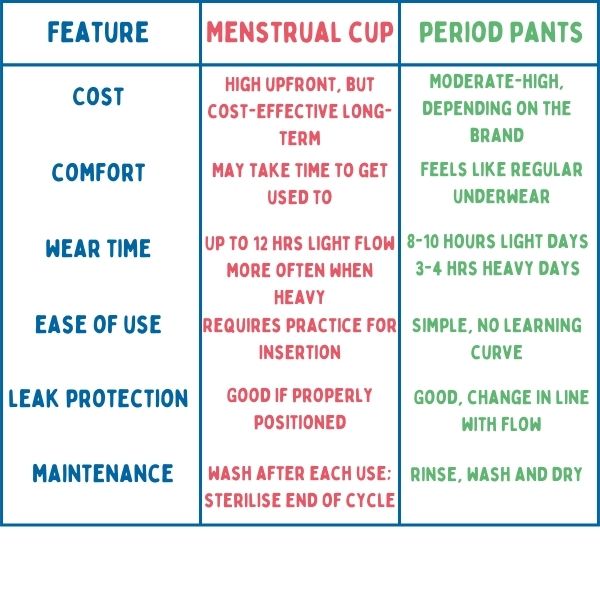
Choosing between them usually comes down to two things: how much you want to spend upfront and how much laundry you're willing to do. Here is how the costs and waste profiles actually compare over a decade of use.
Upfront costs: cups vs. underwear
The initial cost is often the first hurdle when considering a switch to reusable period products. Menstrual cups generally have a lower upfront cost than period underwear. A basic silicone menstrual cup from a brand like Saalt will typically range from $25 to $40. Flex Cups, which feature a patented pull-tab for easier removal, are often priced between $30 and $45.
Prices fluctuate based on materials. Medical-grade silicone is the standard, though TPE options exist for a few dollars less. Discs, like the Flex, usually cost more than a standard bell-shaped cup. I suggest buying two if you travel often or have a heavy flow, so you're never stuck waiting for a sink in a public stall.
Period underwear, on the other hand, can quickly add up. A single pair of period underwear from brands like Thinx or Knix generally costs between $30 and $45, depending on the absorbency and style. Aisle (formerly Lunapads) offers a wider range of pricing, with some pairs available for around $20, while others can exceed $50. For adequate coverage throughout a typical 7-day cycle, most people will need at least 3-5 pairs.
This means the initial investment for period underwear could range from $90 to $225 or more. The cost also depends on the absorbency level. Light flow underwear will be cheaper than heavy flow options. It really varies. Many brands offer starter kits, which can provide a slight discount, but still represent a significant upfront expense.
- Saalt Menstrual Cup: $25 - $40
- Flex Cup: $30 - $45
- Thinx Period Underwear (per pair): $30 - $45
- Knix Period Underwear (per pair): $30 - $45
- Aisle Period Underwear (per pair): $20 - $50+
Featured Products
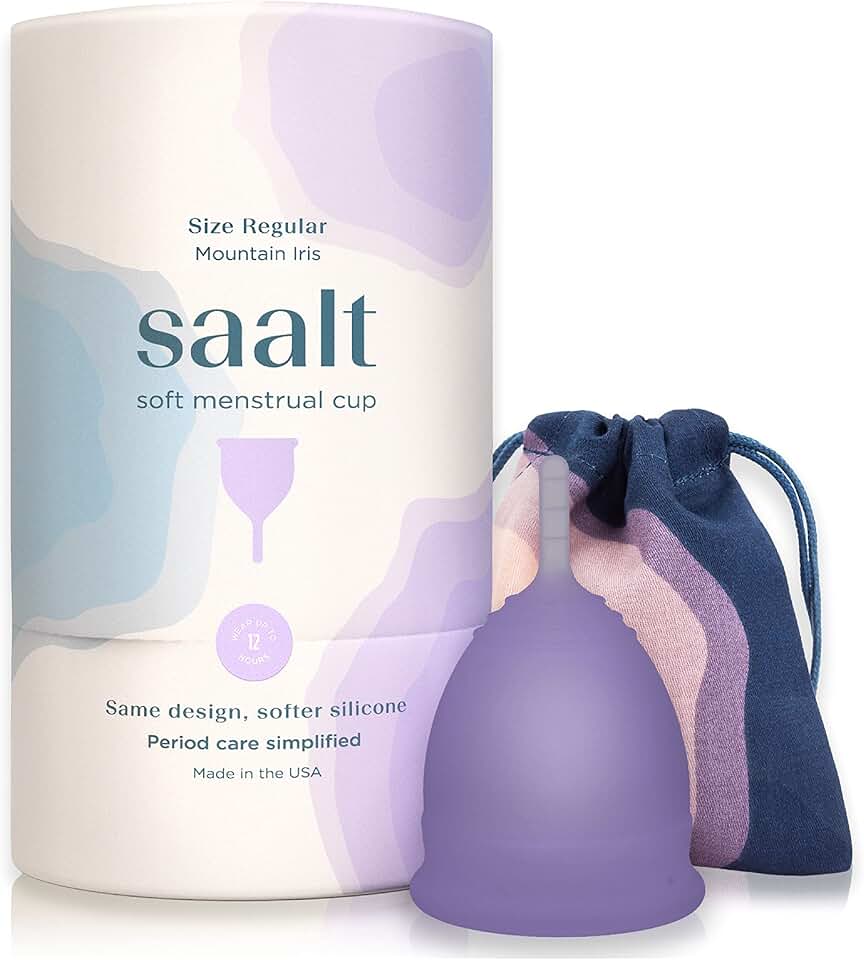
Made from medical-grade silicone · Offers up to 12 hours of leak-free protection · BPA and latex-free for sensitive individuals
This highly-rated menstrual cup offers a sustainable and cost-effective alternative to disposable period products, directly supporting the comparison in the article.

Medical-grade silicone cup for period care · Reusable and designed for up to 12 hours of continuous wear · Model 2 is suitable for wider vaginal canals, post-partum individuals, and those aged 35+
This highly-rated menstrual cup offers a sustainable and cost-effective alternative to disposable period products, directly supporting the comparison in the article.

Reusable menstrual disc, an alternative to tampons, pads, and cups · Holds the equivalent of 6 super tampons · Designed to last for years
This highly-rated menstrual disc offers a sustainable and cost-effective alternative to disposable period products, directly supporting the comparison in the article.
Made from medical-grade silicone · Offers up to 12 hours of leak-free protection · BPA and latex-free for sensitive individuals
This highly-rated menstrual cup offers a sustainable and cost-effective alternative to disposable period products, directly supporting the comparison in the article.
Made from medical-grade silicone · Offers up to 12 hours of leak-free protection · BPA and latex-free for sensitive individuals
This highly-rated menstrual cup offers a sustainable and cost-effective alternative to disposable period products, directly supporting the comparison in the article.
As an Amazon Associate I earn from qualifying purchases. Prices may vary.
The long run: total cost of ownership
While the upfront cost of period underwear is higher, a complete cost comparison requires looking at the long-term expenses. Saalt advertises that their menstrual cups can last up to 10 years with proper care. Let’s use that as a baseline, acknowledging that individual experiences will vary based on usage and care. Over 10 years, even with one replacement cup at the 5-year mark, the total cost would be approximately $75 - $90.
However, it's realistic to expect some variation. A cup might need replacing sooner if it’s damaged or loses its shape. Let's also consider a 5-year timeframe. With one replacement cup, the total cost would be around $50 - $60. Compared to the cost of disposable products, this is a significant saving. The average person with a period spends $5 to $15 per month on pads or tampons, totaling $300 to $900 over five years, and $600 to $1800 over ten.
Period underwear's lifespan is generally 1-3 years per pair. Assuming you purchase 5 pairs at an average cost of $35 each ($175 total), you’ll likely need to replace them at least once within a 5-year period, adding another $175 to the cost. Over 10 years, you’ll almost certainly need to replace them twice, bringing the total cost to $525. Washing also contributes to wear and tear, gradually reducing absorbency and potentially affecting the leak-proof barrier.
There are hidden costs too. You might spend $10 a year on specialized cup soap, though mild hand soap works fine. For underwear, you're looking at more frequent laundry loads. These are small expenses, but they chip away at the total savings over time.
Let’s look at a quick comparison: 5 years of disposable products: $300-$900; 5 years of menstrual cup: $50-$60; 5 years of period underwear: $350. 10 years of disposable products: $600-$1800; 10 years of menstrual cup: $75-$90; 10 years of period underwear: $525. These are, of course, estimates, but they illustrate the potential long-term savings with reusable options.
Environmental footprint
Evaluating the environmental impact is complex. Menstrual cups are typically made from medical-grade silicone, a durable but non-biodegradable material. The manufacturing process requires energy and resources, and shipping contributes to carbon emissions. However, their long lifespan significantly reduces waste compared to disposable products.
Period underwear presents a different set of challenges. Many brands use cotton, a relatively sustainable material if organically grown, but conventional cotton farming relies heavily on pesticides and water. Synthetic fabrics like polyester and spandex, often used for stretch and leak-proof layers, are derived from fossil fuels and contribute to microplastic pollution during washing. The production of these synthetics is energy-intensive.
Disposable pads and tampons are arguably the least environmentally friendly option. They consist primarily of plastic and bleached pulp, generating substantial landfill waste. The packaging also adds to the environmental burden. A study by the National Geographic found that a single person who menstruates will dispose of approximately 11,000-16,000 disposable menstrual products in their lifetime.
Washing period underwear also has an environmental impact. It consumes water and energy, and the release of microplastics from synthetic fabrics is a growing concern. Using cold water and a laundry bag designed to catch microfibers can help mitigate this issue. The lifespan of the underwear also plays a role – longer-lasting underwear reduces the frequency of replacements and, therefore, the overall environmental footprint.
It’s important to remember that "eco-friendly’ isn"t always straightforward. Even sustainable materials have an environmental impact. A comprehensive lifecycle assessment would need to consider all stages, from raw material extraction to end-of-life disposal, to provide a truly accurate comparison.
Environmental Impact Comparison: Menstrual Cups, Period Underwear, and Disposable Products (2026 Estimates)
| Product Type | Raw Material Sourcing | Manufacturing Energy | Waste Generation | Biodegradability |
|---|---|---|---|---|
| Menstrual Cup (Silicone) | Medium (Silicone production relies on silica, a common but mined material) | Medium (Manufacturing requires energy for molding and sterilization) | Low (Long lifespan - up to 10 years with proper care, as suggested by Saalt) | Very Low (Silicone is not biodegradable) |
| Period Underwear (Typical Blend) | Medium (Production of synthetic fabrics like polyester and spandex relies on fossil fuels. Organic cotton options reduce this impact) | Medium (Fabric production and garment construction are energy intensive) | Low (Reusable, reducing frequent waste, but eventual disposal is a factor) | Low to Medium (Dependent on fabric blend - natural fibers biodegrade more readily than synthetics) |
| Disposable Pads | High (Requires significant amounts of wood pulp and plastic derived from fossil fuels) | High (Large-scale manufacturing and packaging processes) | Very High (Significant waste generation with each cycle) | Very Low (Primarily plastic and non-biodegradable materials) |
| Disposable Tampons | High (Cotton production can be resource-intensive, and plastic applicators contribute to waste) | High (Manufacturing and packaging) | Very High (Significant waste generation with each cycle) | Very Low (Tampons and applicators are not readily biodegradable) |
| Period Underwear (Organic Cotton) | Medium (Organic cotton farming has lower pesticide/fertilizer impact than conventional cotton) | Medium (Fabric production and garment construction are energy intensive) | Low (Reusable, reducing frequent waste, but eventual disposal is a factor) | Medium (Organic cotton is biodegradable, but synthetic components may remain) |
| Menstrual Disc (Silicone) | Medium (Similar to menstrual cups - silicone sourcing) | Medium (Manufacturing processes similar to menstrual cups) | Low (Reusable for multiple cycles) | Very Low (Silicone is not biodegradable) |
Illustrative comparison based on the article research brief. Verify current pricing, limits, and product details in the official docs before relying on it.
Usage & Convenience: Daily Life Considerations
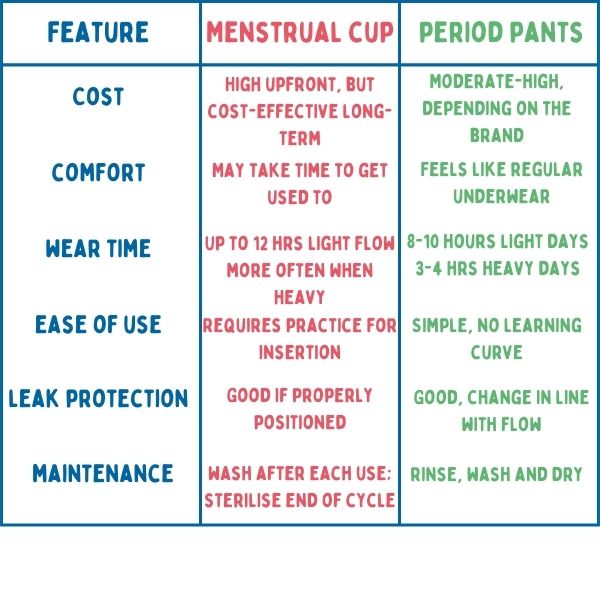
Menstrual cups have a learning curve. Insertion and removal can take practice, and some people find it uncomfortable initially. Finding the right fold and ensuring a proper seal are crucial for preventing leaks. Cleaning requires rinsing with water and occasionally sterilizing, which can be inconvenient when traveling or in public restrooms. However, once mastered, many users find cups incredibly comfortable and convenient, allowing for up to 12 hours of wear.
Period underwear is generally more straightforward to use. It feels like regular underwear, and you simply put it on and go. The number of pairs needed depends on your flow level. Light flow users may only need 2-3 pairs, while heavy flow users might require 5 or more. Concerns about odor are generally minimal with modern period underwear fabrics, which are designed to be breathable and odor-resistant.
Leakage is a concern with both options, but can be minimized with proper use. For menstrual cups, ensuring a proper seal is key. For period underwear, choosing the right absorbency level is essential. Travel considerations differ – cups require access to clean water for rinsing, while underwear requires carrying enough pairs for the duration of the trip.
Cleaning and sterilization are vital. Menstrual cups should be emptied every 4-12 hours and rinsed thoroughly. Between cycles, they should be sterilized by boiling or using a sterilizing solution. Period underwear should be washed in cold water with mild detergent and allowed to air dry. Avoiding fabric softeners can help preserve the absorbency.
New materials and tech
Innovation in this space is rapid. Companies are exploring new types of silicone for menstrual cups, aiming for increased comfort and flexibility. Some are experimenting with bio-based silicones, though these are not yet widely available. Flex’s disposable menstrual discs represent a novel approach, offering the convenience of a disposable product with a smaller environmental footprint than traditional pads or tampons.
In period underwear, the focus is on more sustainable fabrics. Recycled polyester, made from plastic bottles, is becoming increasingly common. Organic cotton is also gaining popularity, though its environmental benefits depend on farming practices. Some brands are even experimenting with innovative materials like seaweed fiber and Tencel, a fabric made from wood pulp.
We're also seeing advancements in gusset design and leak-proof technologies. Brands are incorporating multiple layers of absorbent and waterproof materials to enhance protection and comfort. Some are even using antimicrobial treatments to reduce odor. The development of more breathable and comfortable synthetic fabrics is also a key area of research.
Looking ahead to 2030, we can expect to see even more sustainable materials, personalized designs, and integrated technology. Smart period underwear that tracks your cycle and provides personalized recommendations is a possibility. Biodegradable menstrual cups are also a potential future innovation, though significant challenges remain in developing materials that are both safe and environmentally friendly.
Emerging Trends
- Biodegradable Menstrual Cups - Development focuses on plant-based materials like TPE (thermoplastic elastomer) aiming to reduce the plastic waste associated with traditional silicone cups. While fully home-compostable options are still evolving, increased bio-content is a key goal.
- Self-Cleaning Period Underwear - Utilizing antimicrobial finishes and fabric technologies, some brands are exploring underwear that reduces odor and the need for pre-rinsing before washing. These technologies often involve silver or other antimicrobial agents.
- Smart Period Underwear - Integration of wearable sensor technology into period underwear is emerging. These sensors aim to track menstrual flow, cycle phases, and even detect potential irregularities, transmitting data to a user’s smartphone.
- Personalized Absorbency - Some companies are researching methods to allow users to customize absorbency levels within period underwear. This could involve modular layers or adjustable fabric treatments to cater to varying flow strengths.
- Sustainable Packaging - A shift towards plastic-free and compostable packaging for both menstrual cups and period underwear is gaining momentum. This includes using recycled cardboard, plantable seed paper, and home-compostable pouches.
- Reusable Cup Sterilization Cases - Beyond simple storage, portable sterilization cases utilizing UV-C light or steam are becoming available for menstrual cups, offering a more hygienic cleaning solution when away from home.
- Advanced Fabric Blends for Underwear - Research into fabric blends utilizing materials like Tencel and organic cotton is increasing, aiming for improved comfort, breathability, and leak-proof performance in period underwear.
No comments yet. Be the first to share your thoughts!