

How to pick the right period underwear
Finding period underwear that actually works comes down to matching your flow, fit, and lifestyle. Traditional pads and tampons leave you guessing about leaks; period underwear solves this by building absorbency directly into the fabric layers. The trick is knowing which absorbency level and cut suits your body, not just buying the first pair you see.

Look at the absorbency ratings provided by brands. Light flow pairs handle spotting or light days, while heavy flow options are designed to hold up to nine tampons worth of fluid. If you experience mid-day surges or postpartum bleeding, choose the heavy-duty styles to stay secure without backup pads.
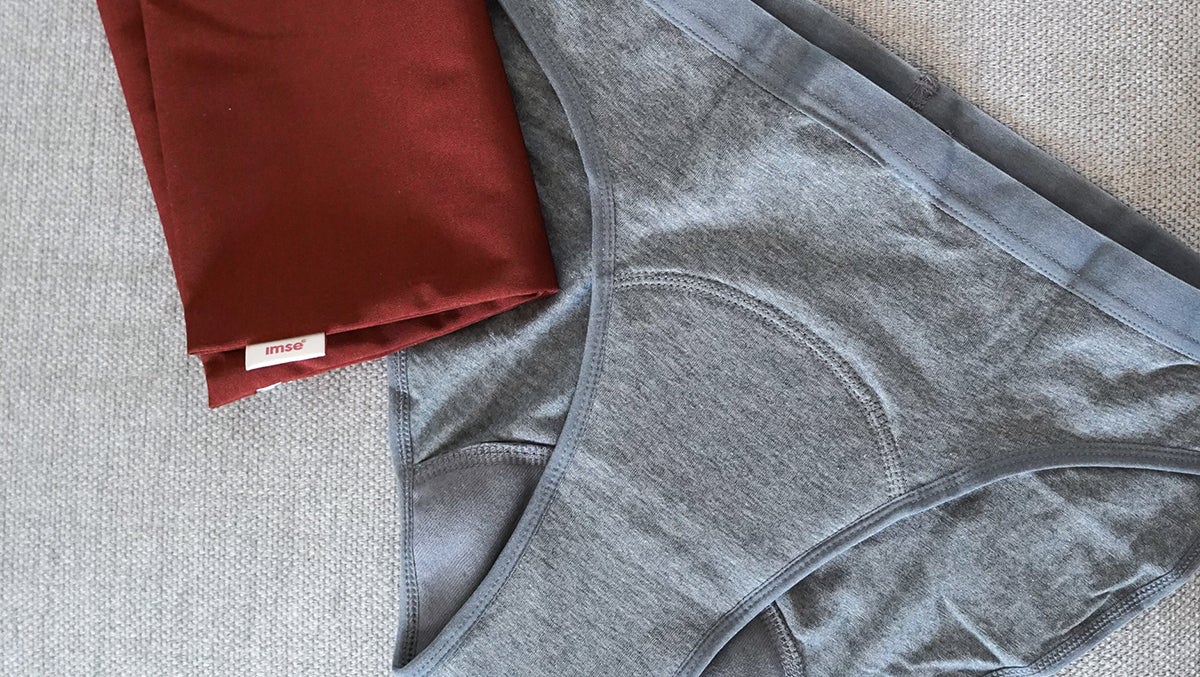
The style you pick changes how the underwear sits on your hips and crotch. High-waisted briefs offer full coverage and stay in place during exercise, while cheeky or bikini cuts provide a more discreet look under fitted clothing. If you are sensitive to waistbands, look for seamless or low-rise options that won’t dig in during cramps.
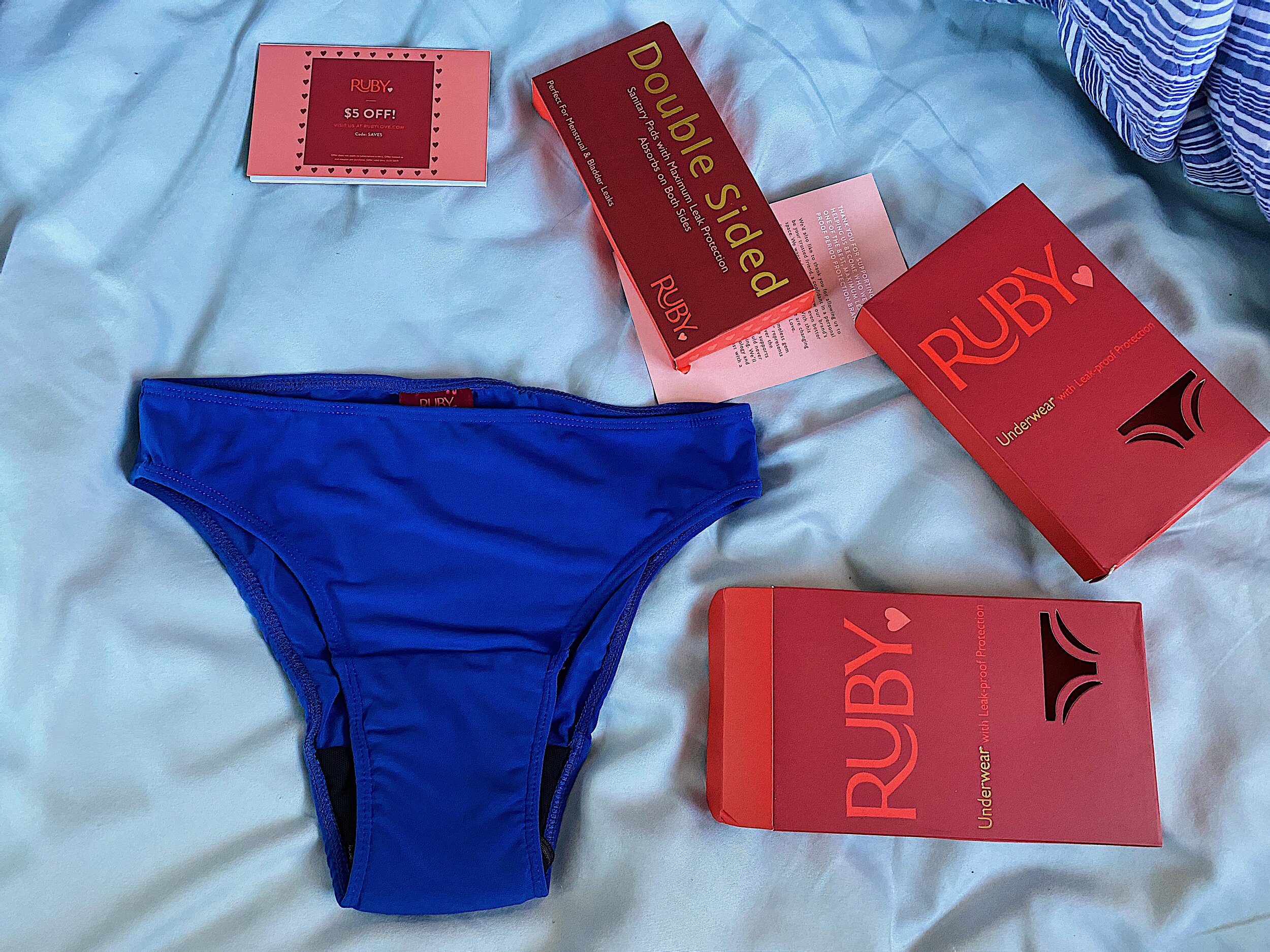
Breathability is essential for comfort. Most top-rated brands use a blend of bamboo, cotton, and moisture-wicking synthetic fibers. Check the care label carefully; many styles require cold water washing and air drying to preserve the waterproof layers. Avoid fabric softeners, which can clog the absorbent core and reduce effectiveness over time.
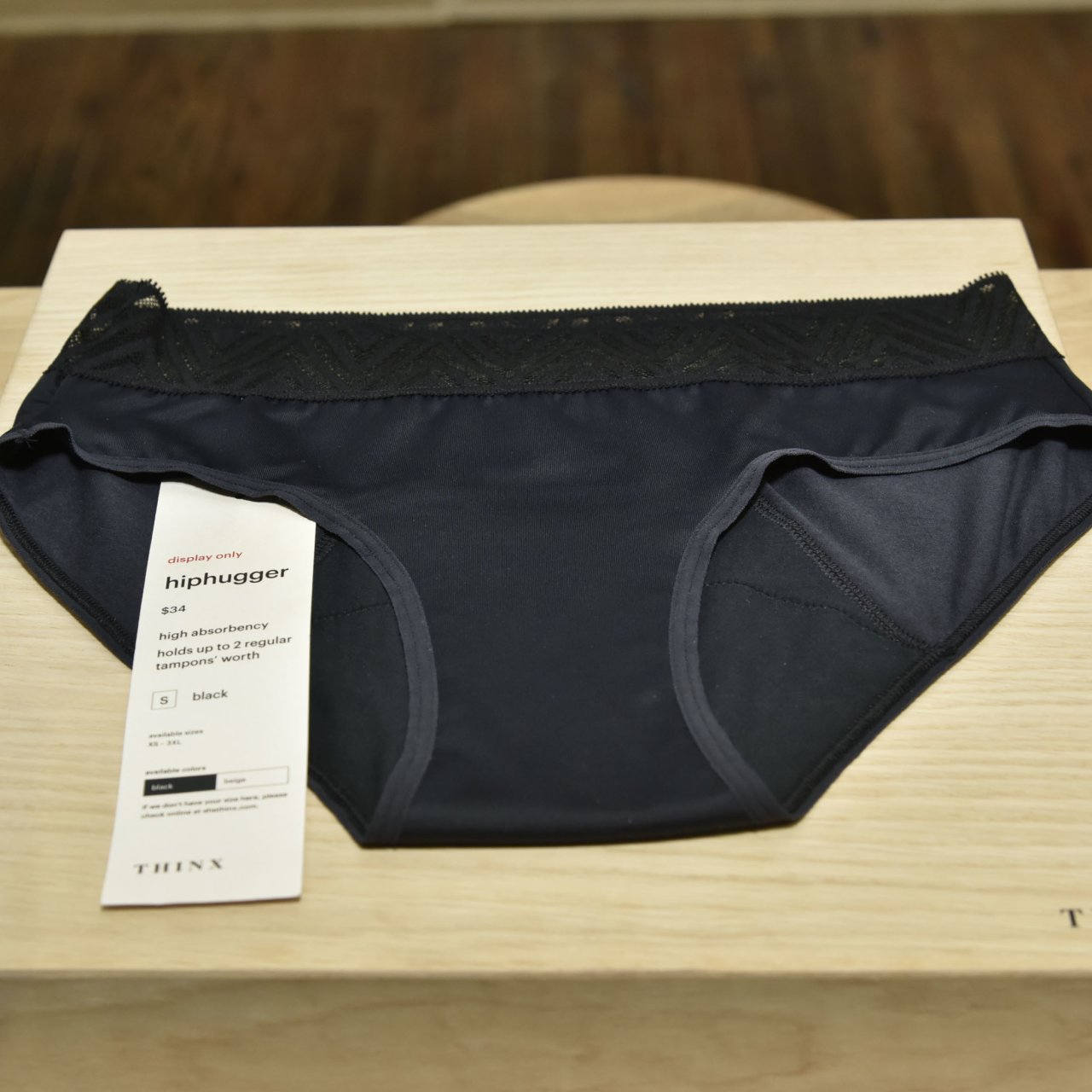
Sizing varies significantly between brands, so check the specific size chart for each retailer. Since fit is personal, look for local stores or online retailers that offer easy returns or exchanges. This allows you to test the fit at home without risk, ensuring the underwear stays comfortable throughout your entire cycle.
Compare absorbency levels and fabrics
Choosing between styles requires balancing capacity against comfort. Not all period underwear performs equally under stress, so understanding the tradeoffs between cut, material, and absorbency is critical before purchasing.
| Factor | What to check | Why it matters |
|---|---|---|
| Fit | Match the option to the primary use case. | A good deal still fails if it does not fit the job. |
| Condition | Verify age, wear, and service history. | Hidden condition issues erase upfront savings. |
| Cost | Compare purchase price with likely upkeep. | The cheapest option is not always the lowest-cost option. |
Confirm sizing and return policies
Before you place an order, take a few minutes to confirm the basics. Period underwear is a significant investment compared to a box of pads, so ensuring the right size, style, and stock are available saves time and avoids the hassle of returns.
Start by checking the brand’s sizing chart. Period underwear sizing often differs from regular underwear because the absorbent layers add bulk. If you are between sizes, especially for heavy flow days, sizing up can provide a more comfortable fit and prevent leaks. Most major retailers like The Period Company or Thinx list detailed fit guides on their product pages.
Next, verify the absorbency level matches your needs. Not all period underwear is created equal. Some styles are designed for light spotting, while others, like those from The Period Company, are rated for heavy flow, absorbing up to nine tampons worth of fluid. Choosing the wrong absorbency level can lead to unexpected leaks or unnecessary discomfort.
Finally, check the return policy. Since fit and comfort are highly personal, ensure the retailer offers a straightforward return or exchange process if the underwear doesn’t meet your expectations. This is especially important for first-time buyers who are unsure how the fabric feels or how the sizing translates to their body.
Period underwear: what to check next
Before switching from pads and tampons, it helps to know how period underwear actually handles your flow. These garments use layered absorbent cores to trap moisture, but they are not a one-size-fits-all replacement for every moment of your cycle.
How much flow can period underwear hold?
Absorbency varies by brand and style. Most mainstream options hold between 1 to 3 tampons worth of fluid, while heavy-duty designs can manage up to 9 tampons. For light to medium days, a single pair often replaces both pads and tampons. On very heavy days, you may need to pair them with a backup or change them every 4–8 hours depending on your flow.
Can you sleep in period underwear?
Yes, but only if you choose the right absorbency. Light-absorbency styles are not suitable for overnight use. Look for "overnight" or "heavy" rated underwear, which typically offer extended coverage and higher capacity. Even then, many users prefer to combine them with a menstrual cup or disc for maximum security during long sleep stretches.
Do you need to wear a pad underneath?
Not necessarily. One of the main benefits of period underwear is eliminating the need for additional liners or pads. However, if you are transitioning from traditional products or have an exceptionally heavy flow, wearing a thin liner can provide extra peace of mind against leaks. Most users find they can go pad-free once they understand their specific brand’s capacity.
How do you wash period underwear?
Proper care extends the life of the garment. Rinse the underwear in cold water immediately after use to remove blood. Then, machine wash on a gentle cycle with mild detergent, or hand wash if preferred. Avoid fabric softeners and bleach, as these can damage the absorbent layers. Air dry whenever possible; high heat from dryers can degrade the waterproof backing over time.
No comments yet. Be the first to share your thoughts!