
Defining menstrual health standards
Menstrual health is not simply the absence of reproductive disease. It is a comprehensive state of complete physical, mental, and social well-being in relation to the menstrual cycle. This definition, established by the World Health Organization (WHO) and supported by the Centers for Disease Control and Prevention (CDC), frames menstrual health as a fundamental human right and a critical public health priority.
This framework moves beyond hygiene management to address the broader societal and structural factors that impact menstrual well-being. The WHO emphasizes that menstrual hygiene management concerns the health, dignity, and well-being of girls and women, requiring attention to sanitation, education, and access to products. By treating menstrual health as a human right, policy makers and health organizations can create evidence-based standards that support equity and dignity for all individuals who menstruate.
Establishing these standards is essential for 2026, as jurisdictions worldwide refine regulations around menstrual products, workplace accommodations, and healthcare access. Clear definitions allow for consistent data collection, better resource allocation, and more effective advocacy. When menstrual health is recognized as a core component of overall well-being, it becomes easier to integrate comprehensive support systems into public health infrastructure.
Shifting from pads to reusable options
The landscape of menstrual health is undergoing a structural shift. Driven by environmental concerns, long-term cost savings, and comfort, more users are moving away from disposable pads toward reusable alternatives like menstrual cups and period swimwear. This transition reflects a broader trend in personal care where sustainability and user experience are prioritizing over convenience.
Cost and Environmental Impact
Traditional disposable pads represent a recurring expense and a significant source of waste. A person who menstruates may use thousands of pads over a lifetime, contributing to landfill volume and manufacturing emissions. In contrast, reusable options offer a one-time purchase model. Menstrual cups, typically made of medical-grade silicone, last for years with proper care. Period swimwear, which uses absorbent, leak-proof layers, can be washed and reused for hundreds of cycles. This shift reduces both the financial burden on the user and the environmental footprint associated with single-use products.
Health and Comfort
Menstrual cups and period swimwear also address comfort and hygiene concerns. Pads can cause chafing, odor, and a feeling of wetness, which may lead to irritation or infections if not changed frequently. The CDC notes that menstrual hygiene is important for preventing infections and reducing odors. Reusable options often provide a more secure fit and less bulk. Menstrual cups collect rather than absorb flow, maintaining the vagina’s natural pH balance. Period swimwear allows for freedom of movement in water without the risk of leakage, offering a practical solution for active lifestyles.
Comparison of Options
The following table compares menstrual cups, period swimwear, and traditional pads across key metrics relevant to menstrual health.
| Option | Cost Profile | Environmental Impact | Comfort & Hygiene |
|---|---|---|---|
| Menstrual Cup | High upfront, low long-term | Very low waste | Internal, no chafing |
| Period Swimwear | Moderate, reusable | Low waste | Secure, leak-proof |
| Traditional Pads | Recurring expense | High waste | External, potential chafing |
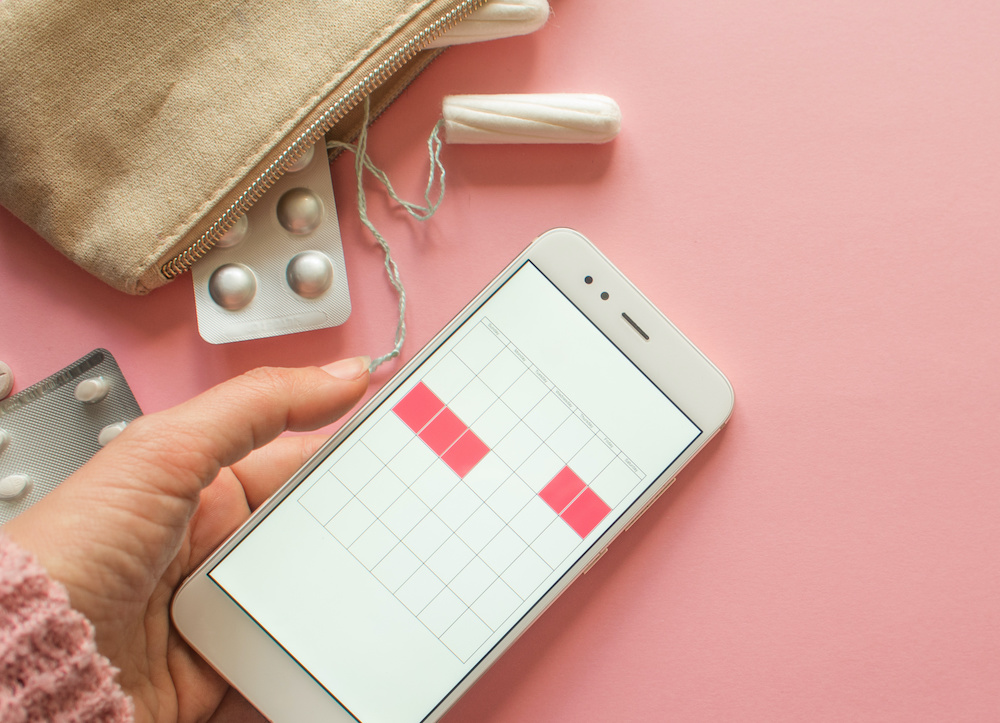
This shift is not just about personal preference; it is a response to systemic issues in menstrual care. As awareness grows, so does the demand for products that align with modern values of sustainability and health. The transition from pads to reusable options is a significant step toward better menstrual health outcomes.
2025–2026 policy updates on menstrual health
The regulatory landscape for menstrual health is shifting rapidly as governments and international bodies recognize menstrual hygiene management as a fundamental human right. In 2025 and 2026, policy focus has narrowed to three concrete areas: removing tax barriers, ensuring access in public institutions, and aligning with updated international health guidelines.
Tax reforms and product classification
Several jurisdictions have moved to reclassify menstrual products from "luxury" items to essential medical supplies. This shift aims to eliminate sales tax and VAT burdens that disproportionately affect low-income individuals. For example, the European Union has seen member states adjust VAT rates for sanitary products, while the United States continues to debate federal tax exemption legislation. These changes treat menstrual products like other necessary health items, reducing financial barriers to access.
Access in public institutions
Policy mandates now increasingly require free menstrual product access in public schools, universities, and government buildings. The World Health Organization and UNICEF have reinforced guidelines stating that menstruation is a natural biological process, not a luxury. Consequently, countries in Europe and parts of Asia have implemented "period poverty" initiatives, ensuring that pads, tampons, and cups are available without cost in restrooms. This move addresses dignity and health equity directly within educational and civic spaces.
International health guidelines
Global health organizations have updated their frameworks to include menstrual health as a core component of reproductive and sexual health services. The WHO’s 2024–2026 strategic plan emphasizes integrated menstrual hygiene management (MHM) in low-resource settings. These guidelines provide a standardized approach for policymakers to design programs that support not just product access, but also education, sanitation infrastructure, and stigma reduction. This holistic view ensures that policy changes are sustainable and culturally sensitive.
Timeline of key policy milestones
- August 2024: WHO declares menstrual health a fundamental human right, urging member states to integrate MHM into national health strategies.
- Early 2025: Multiple EU member states reduce VAT on menstrual products to zero or reduced rates, following pressure from health advocates.
- Mid-2025: UNICEF releases updated guidance on menstrual health and hygiene, emphasizing dignity and access in public institutions.
- 2026: Several US states pass legislation to eliminate sales tax on menstrual products, aligning with federal discussions on tax exemption.
These updates reflect a growing consensus that menstrual health is not just a personal matter, but a public health and human rights issue requiring structured policy intervention.
Safe hygiene practices for menstrual health
Proper hygiene is a foundational component of menstrual health. According to the Centers for Disease Control and Prevention (CDC), maintaining clean menstrual products and practices helps prevent infections, reduces odors, and ensures physical comfort during menstruation. As new products like menstrual cups and period swimwear enter the market, understanding how to clean and store them correctly becomes essential for long-term safety.
Wash your hands thoroughly with soap and water before touching any menstrual product. This simple step prevents transferring bacteria from your skin to the vaginal canal or the product itself, reducing the risk of irritation or infection.
Boil your menstrual cup in plain water for 5 to 10 minutes between each menstrual cycle. This sterilization process kills bacteria that may have accumulated during use. If boiling is not possible, use a cup-specific cleaning wipe or a mild, unscented soap during your period, but ensure thorough rinsing.
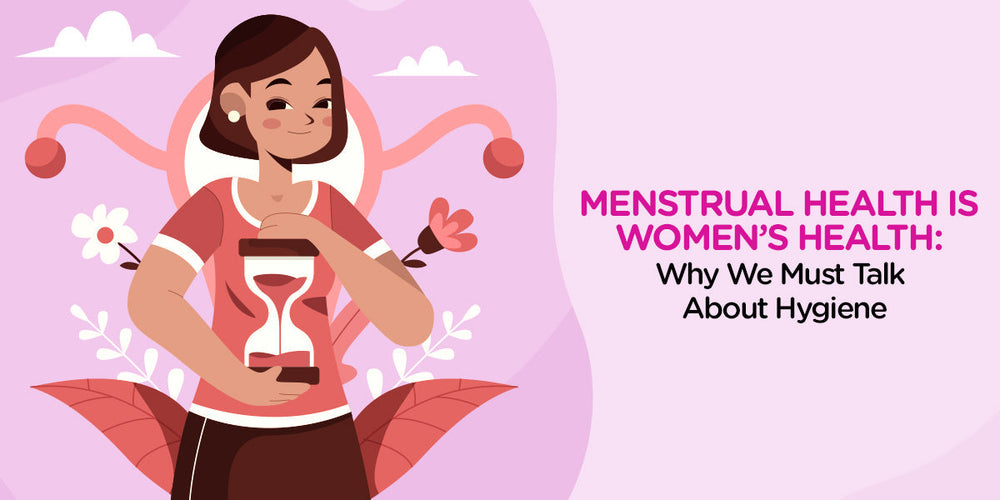
After removing period swimwear, rinse it in cold water to remove blood and bodily fluids. Hot water can set protein-based stains, making them permanent. Wash the garment separately or with similar colors using a mild detergent, then air dry to preserve the fabric’s absorbency and leak-proof layers.
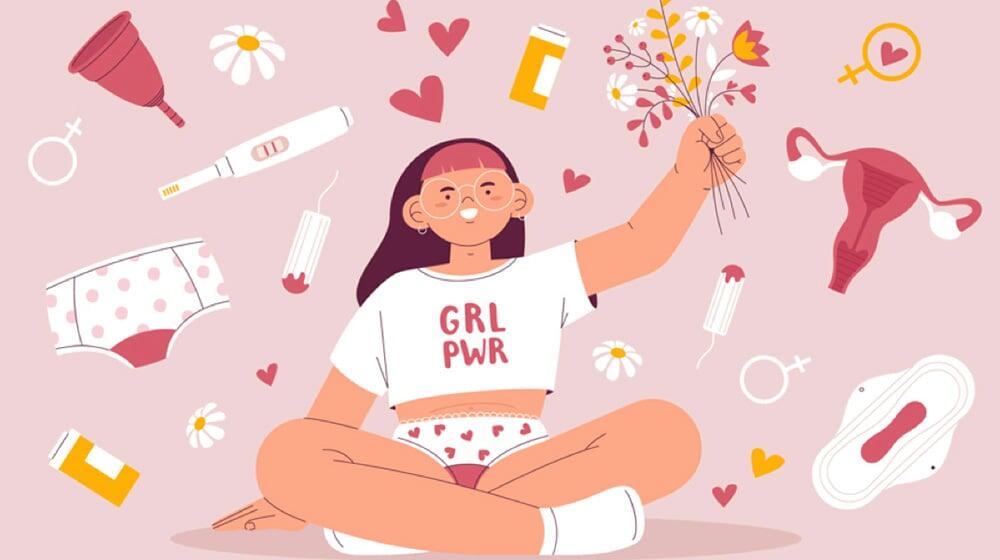
Keep menstrual cups in their breathable storage bag when not in use. Avoid airtight containers, which can trap moisture and encourage bacterial growth. Store period swimwear in a dry place away from direct sunlight to prevent fabric degradation.
-
Wash hands before handling any menstrual product
-
Boil menstrual cup for 5-10 minutes between cycles
-
Rinse period swimwear in cold water after use
-
Store menstrual cup in a breathable bag
Following these steps aligns with CDC hygiene guidelines and supports overall menstrual health. Consistent cleaning and proper storage extend the life of reusable products and minimize health risks.
Improving period health through lifestyle
Holistic menstrual health extends beyond clinical management, incorporating dietary and lifestyle adjustments to reduce PMS severity and improve overall well-being. Research indicates that specific behavioral changes can significantly mitigate symptoms such as moodiness and painful cramps.
A healthy diet plays a foundational role. Reducing salt intake helps manage water retention, while limiting caffeine can decrease anxiety and breast tenderness. Prioritizing nutrient-dense foods supports hormonal balance during the cycle. Regular daily exercise also serves as a natural pain reliever and mood stabilizer.
Restoring a consistent sleep cycle and implementing stress-reduction techniques are equally critical. Poor sleep exacerbates fatigue and irritability, creating a feedback loop that worsens menstrual discomfort. By addressing these lifestyle factors, individuals can actively manage their menstrual health rather than solely reacting to symptoms.
For more detailed guidance on period hygiene and education, the Menstrual Health and Hygiene Fund (MFHS) provides resources on integrating these practices into daily life. Their materials emphasize that understanding menstrual health is a key component of overall reproductive wellness.
Common questions about menstrual health
Understanding menstrual health involves looking at both daily hygiene and broader lifestyle factors. The Centers for Disease Control and Prevention (CDC) notes that proper menstrual hygiene is essential for preventing infections and reducing odors, keeping you comfortable throughout your cycle [CDC, 2026]. Beyond hygiene, experts at the Menstrual and Family Health Society emphasize that period health is a core component of overall reproductive well-being.
How can I improve my period health?
Improving period health often starts with lifestyle adjustments. According to The Women's Health service in Australia, a healthy diet, regular exercise, and stress reduction can significantly reduce the severity of PMS symptoms, including moodiness and painful periods [The Women's, 2026]. Key steps include:
- Reducing caffeine and salt intake to minimize bloating.
- Restoring a consistent sleep cycle to manage fatigue.
- Engaging in daily physical activity to boost mood.
Is it safe to use menstrual cups and swimwear?
Menstrual cups are generally considered safe when used according to manufacturer guidelines. They are made from medical-grade silicone and do not contain the chemicals sometimes found in tampons. For swimming, specialized period swimwear or traditional products like tampons and cups allow for comfortable activity without leakage. Always follow hygiene protocols: wash hands before insertion and replace products every 8-12 hours.
When should I see a doctor for menstrual issues?
While some discomfort is normal, severe pain that interferes with daily activities may indicate an underlying condition like endometriosis. The World Health Organization recommends seeking medical advice if you experience bleeding between periods, extremely heavy flow, or periods that last longer than seven days. Regular check-ups can help identify and manage these issues early.
No comments yet. Be the first to share your thoughts!