
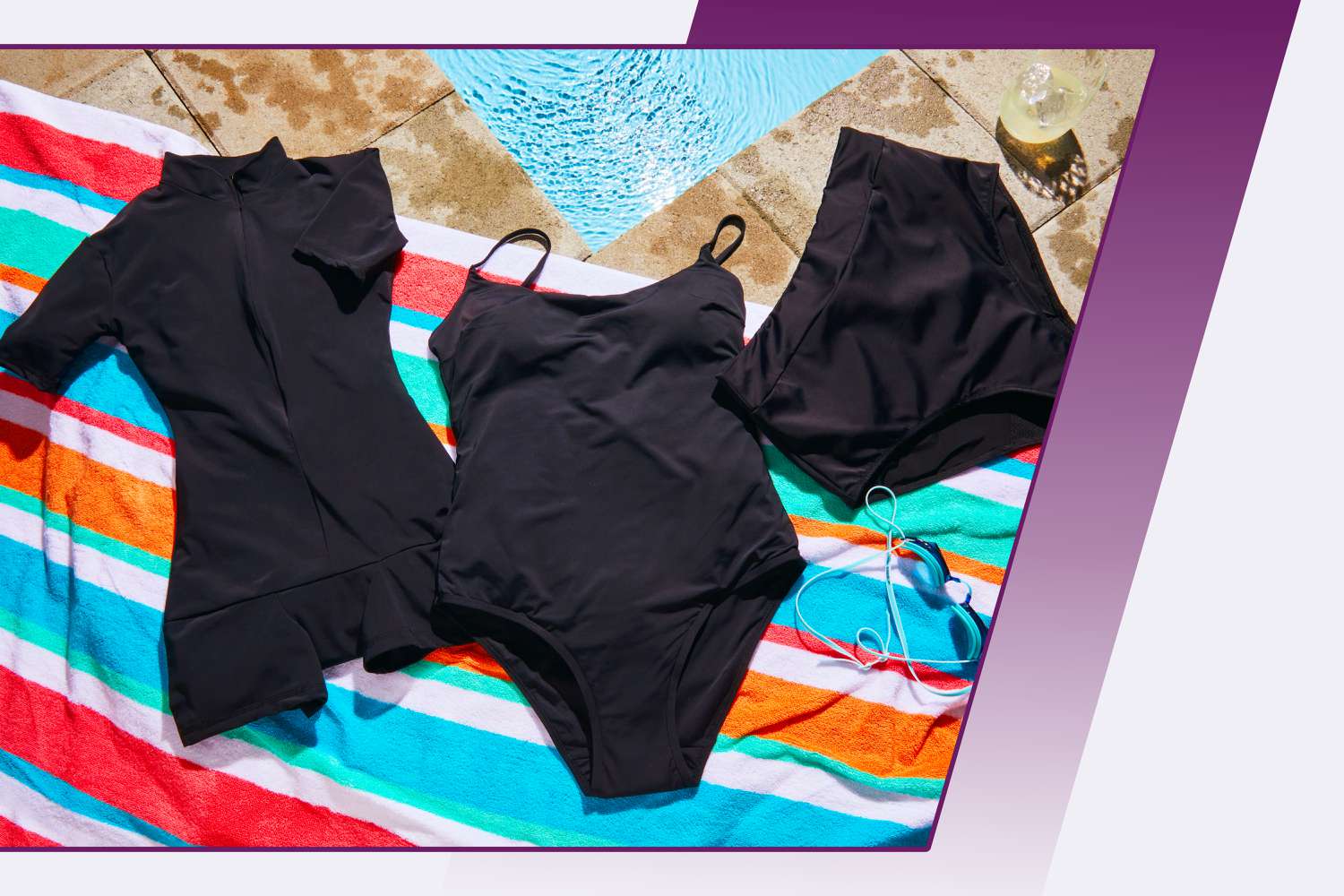
How period swimwear works
Period swimwear relies on a specific layering system designed to function underwater. Unlike regular period underwear, which is engineered for dry environments, period swimwear uses a leak-proof backing to contain flow while remaining thin and flexible in water. The top layer wicks moisture away from the skin, while the absorbent core captures menstrual blood before it can reach your suit or the water around you.
It is important to distinguish between these two types of products. Regular period underwear absorbs pool or ocean water just as easily as it absorbs blood. This saturation makes the fabric heavy, uncomfortable, and ineffective at holding menstrual flow. Period swimwear avoids this pitfall by using materials that resist water absorption, ensuring the absorbent layers only hold what they are meant to.
Most period swimwear is designed to handle light to moderate flow. For heavier days, many users pair them with a tampon or menstrual cup for extra security. While they won't keep you completely dry in the sense of repelling all moisture, they are leak-proof, meaning they prevent any fluid from escaping the garment into the water.
Best period swimsuits by flow and style
Choosing the right period swimwear depends on matching absorbency levels to your flow and selecting a cut that feels secure. Modern period swimwear uses layered, leak-proof fabric to trap menstrual blood while repelling pool or ocean water. This technology allows you to swim confidently without worrying about leaks or staining your suit.
We have categorized top-rated options by user need, from heavy-flow protection to teen-friendly styles and specific silhouettes like bikinis and one-pieces. Each recommendation highlights key features such as fabric composition and absorbency tiers.
Heavy flow protection
For heavy flow days, look for period swimwear with higher absorbency ratings, often equivalent to three to four tampons. These suits typically feature reinforced lining and wider coverage to prevent side leaks. Brands like Modibodi and WUKA offer specific lines designed for heavier days, using durable, chlorine-resistant fabrics that maintain their leak-proof integrity over time.
Teen-friendly options
Teens often prioritize comfort and style alongside functionality. KT by Knix offers period-proof swimwear designed specifically for younger bodies, featuring soft, stretchy fabrics that move with the body. These suits often come in fun prints and colors, making them appealing for school swim teams or family beach trips. The absorbency is usually calibrated for light to moderate flow, which is common for many teens.
Bikini and one-piece styles
Period swimwear is available in almost every traditional swimwear style. Bikini sets allow for mixing and matching absorbency levels in the bottoms, while one-pieces provide full coverage and security. Mordlanka offers affordable period swim bottoms that can be paired with regular bikini tops, providing a flexible option for those who prefer not to commit to a full period-proof suit. High-waisted bottoms are particularly popular for their tummy control and enhanced leak protection.
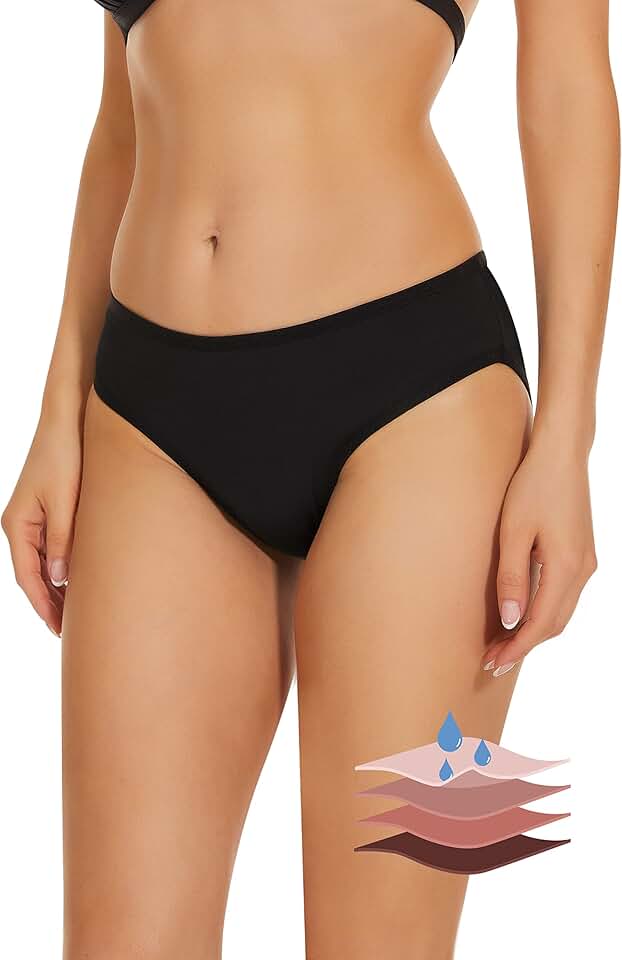


As an Amazon Associate, we may earn from qualifying purchases.
Match flow to absorbency levels
Choosing the right period swimwear starts with understanding your specific flow intensity. Not all suits are created equal; a high-capacity one-piece designed for heavy flow might feel bulky during a light cycle, while a bikini bottom meant for spotting may not hold up during a heavy day. Matching the product's absorbency to your body's needs prevents leaks and ensures you stay comfortable throughout your summer travels.
Most period swimwear brands categorize their products by absorbency, typically ranging from light to heavy. Light absorbency suits are ideal for spotting, post-period cleanup, or days with a very light flow. Medium absorbency options handle standard flow days and often provide enough security for moderate activity like snorkeling or casual swimming. Heavy absorbency suits feature thicker, multi-layered cores designed to manage peak flow days, offering the highest level of protection against leaks.
It is important to remember that period swimwear is not a substitute for a tampon or menstrual cup, though many users find they can swim comfortably without internal protection on lighter days. However, on heavier days, internal protection is still recommended to manage the volume of blood, with the swimwear acting as a crucial backup layer. This combination prevents overflow and gives you peace of mind when you are far from a restroom.
| Product Type | Absorbency Level | Best Use Case | Capacity Estimate |
|---|---|---|---|
| Bikini Bottom | Light | Spotting, light flow days | ~1 tsp |
| High-Waisted Bottom | Medium | Standard flow, active swimming | ~1-2 tsp |
| One-Piece | Heavy | Peak flow, all-day travel | ~3-4 tsp |
| Boyshorts | Medium-Heavy | Moderate to heavy flow, coverage | ~2-3 tsp |
When shopping for period swimwear, check the product specifications for the exact milliliter (ml) capacity or equivalent tampon hours. This data helps you decide if a single suit will suffice for your entire trip or if you need to pack multiple options for different days. Remember that chlorine and saltwater can affect the lifespan of the absorbent layers, so proper rinsing after each use is essential to maintain their effectiveness.


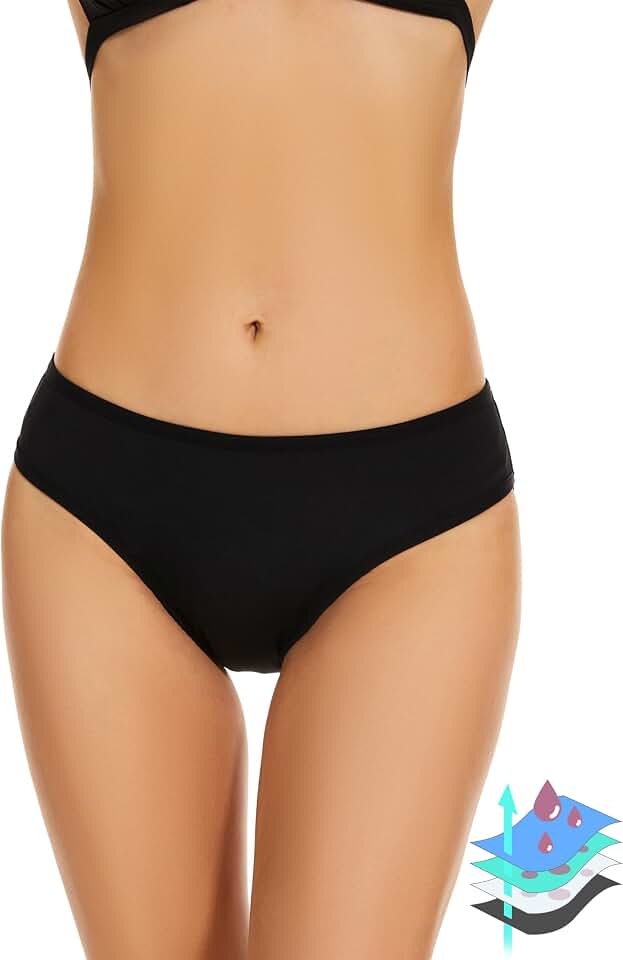
As an Amazon Associate, we may earn from qualifying purchases.
Care tips for extending swimwear life
Use this section to make the Best Period Swimwear for Summer Travel decision easier to compare in real life, not just on paper. Start with the reader's actual constraint, then separate must-have requirements from details that are merely nice to have. A practical choice should survive normal use, maintenance, timing, and budget. If a recommendation only works in an ideal situation, call that out plainly and give the reader a fallback path.
-
Verify the basicsConfirm the core specs, condition, and fit before comparing extras.
-
Price the downsideLook for the repair, maintenance, or replacement cost that would change the decision.
-
Compare alternativesCheck at least two comparable options before treating one listing as the benchmark.
Common questions about period swimwear
What are the disadvantages of period swimwear?
The biggest disadvantage is that standard period underwear is not designed for swimming. Its absorbent fabrics are not chlorine- or salt-resistant and will degrade quickly if used in a pool or ocean. Additionally, like a traditional pad, standard underwear absorbs the water you are swimming in, leaving no room to absorb menstrual blood and creating an overflow risk. Always ensure you are buying swimwear specifically engineered for water use.
Does period swimwear keep you dry?
Period swimwear is designed to keep you dry and leak-free. While it manages menstrual blood, the leak-proof layers also absorb sweat, urine, and other light leaks, keeping you comfortable throughout the day. Many users report that these suits allow them to swim on their period in a way that is both secure and stylish, eliminating the anxiety of unexpected leaks while enjoying summer travel.
No comments yet. Be the first to share your thoughts!