
Recognize normal spotting patterns
Spotting is light bleeding that happens outside your regular period. It usually looks like a few drops of pink, red, or brown blood on toilet paper or a pantyliner. Most spotting is harmless and linked to natural cycle shifts.
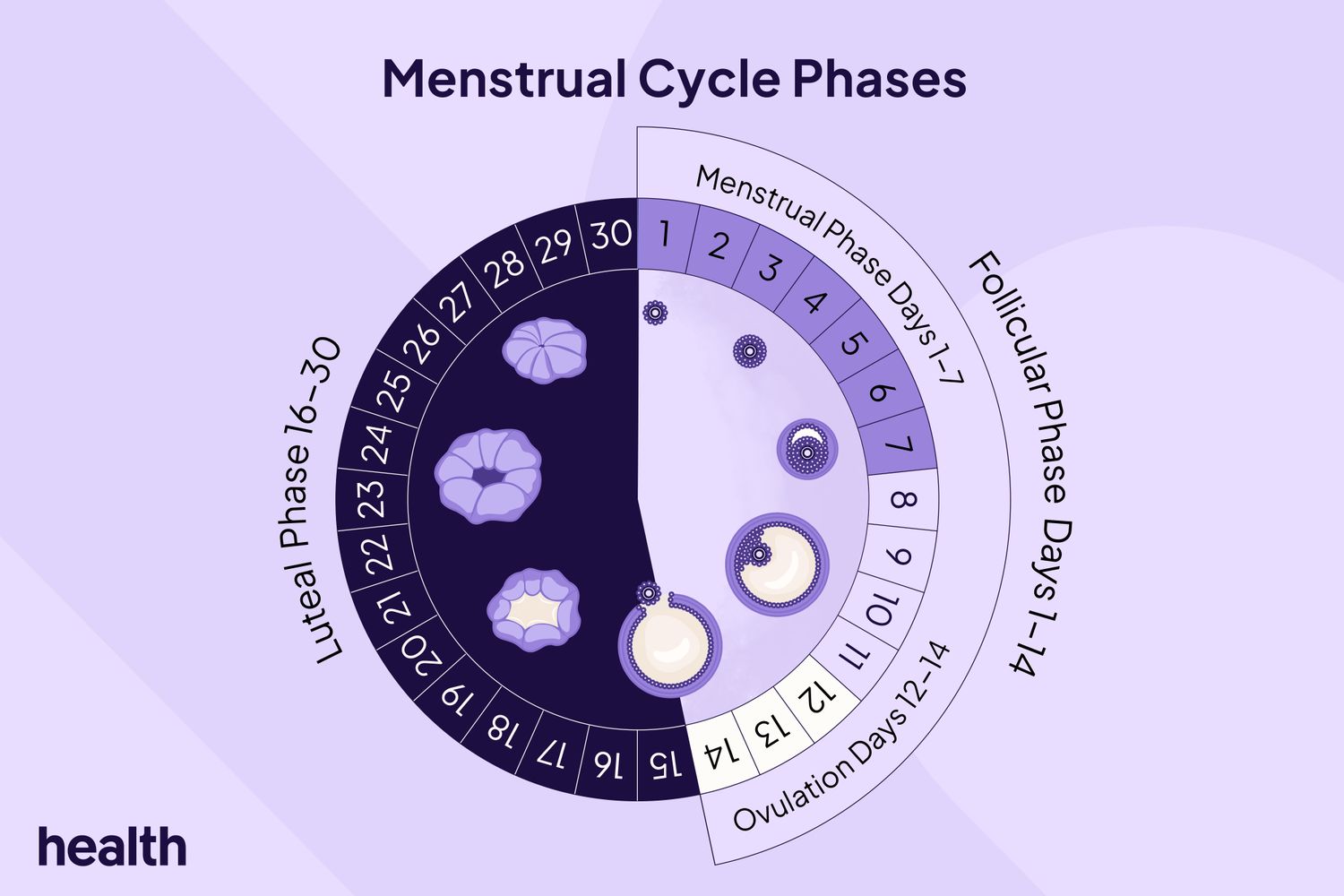
Mid-cycle spotting often appears around ovulation. This happens when estrogen levels dip briefly before rising again. The bleeding is typically light and lasts one to two days. Post-coital spotting can occur after sex due to cervical sensitivity. The cervix has many blood vessels and can bleed slightly from friction or pressure during intercourse.
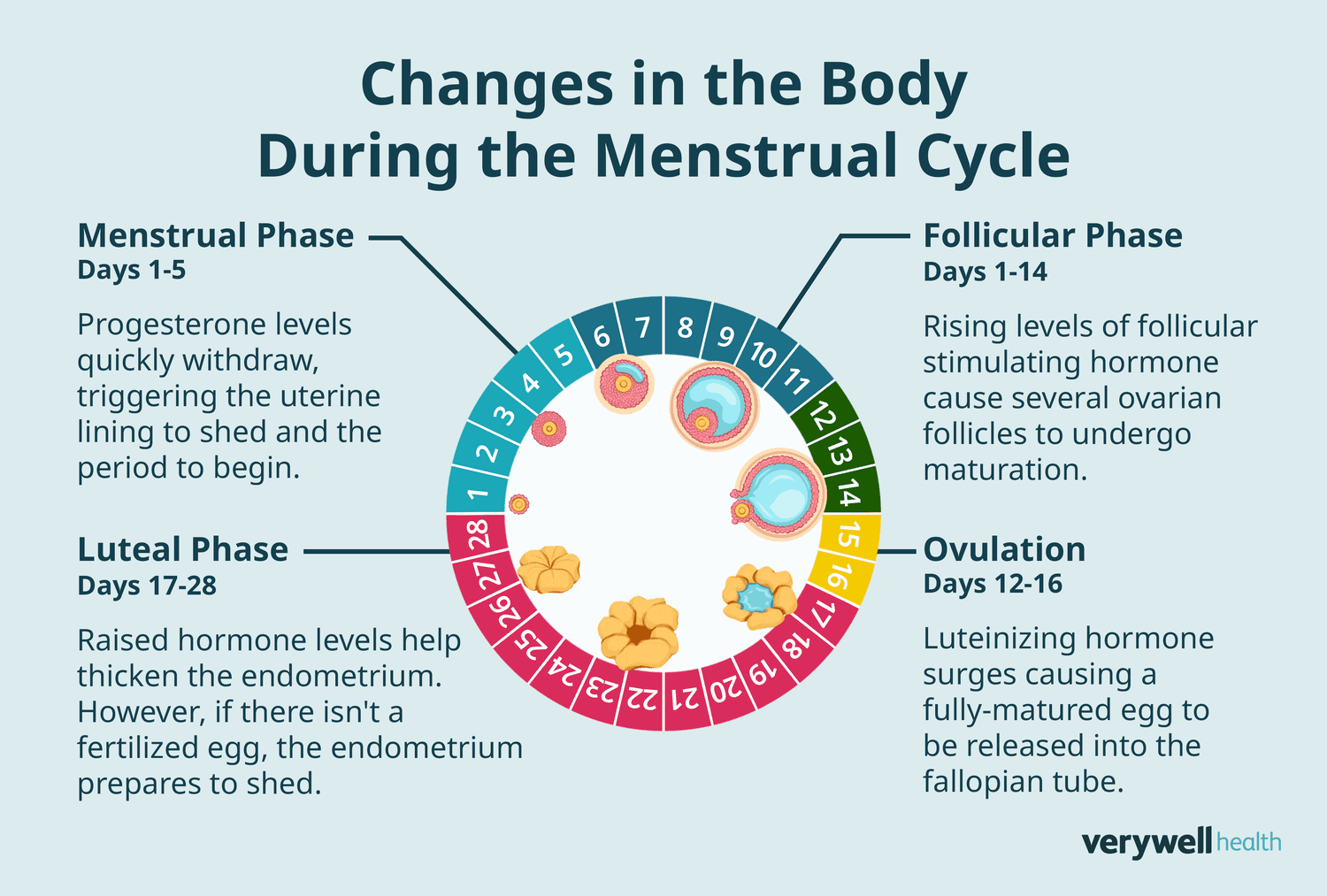
Tracking these patterns helps you distinguish normal variations from issues. Use a simple calendar or app to note the date, flow intensity, and triggers. Consistency in tracking reveals your personal baseline. If you notice sudden changes in frequency or flow, consult a healthcare provider.
Select the right period underwear
Choosing period underwear is a practical task that depends on your specific flow and comfort preferences. The goal is to find a product that prevents leaks while allowing your skin to breathe. As the CDC notes, proper menstrual hygiene helps prevent infections and reduces odors, making the right fit essential for daily comfort CDC Menstrual Hygiene.
Start by assessing your heaviest day. If you rely on tampons or pads that require changing every two to four hours, you likely need high-absorbency underwear designed for heavy flow. For lighter days or spotting, lighter-weight options provide sufficient coverage without bulk. Many users mix and match styles, wearing high-absorbency pieces on peak days and switching to lighter versions as flow decreases.
| Feature | Light Flow | Heavy Flow | Overnight | Leak-Proof | Price Range |
|---|---|---|---|---|---|
| Absorbency | 1-2 Tampons | 3-4 Tampons | 4+ Tampons | High | Budget |
| Fabric | Cotton Blend | Microfiber Core | Extra Core | Full Coverage | Mid-Range |
| Fit | Snug | Secure Waistband | High Waist | Full Coverage | Premium |
The materials also matter. Look for underwear with a moisture-wicking top layer and an absorbent core made of microfiber or bamboo. These materials pull fluid away from the skin, keeping you dry. Ensure the leg openings fit snugly to prevent side leaks, but not so tightly that they dig in. Testing a pair for a few hours at home is the best way to verify comfort and fit before committing to a full wardrobe change.
Use period swimwear for water activities
Period swimwear is designed to handle menstrual flow in water, addressing the common concern of leakage. The fabric uses multiple layers: an outer layer that looks like regular swimwear, a leak-proof barrier, and an absorbent core that holds blood. Unlike pads, which disintegrate or float away, period swimwear traps fluid inside the fabric. Once you leave the water, the absorbent layer releases the held blood, allowing you to change into dry underwear as usual.
You can use period swimwear as your primary protection or as a backup. For light to moderate flow, a single pair may be sufficient for several hours. If you have a heavier flow, wearing a tampon or menstrual cup underneath provides an extra safety net. This combination is particularly useful for long days at the beach or pool, where changing facilities might be limited.
When choosing period swimwear, look for brands that specify absorbency levels. Some pairs are designed for light flow, while others handle heavier days. The fit is critical; the garment should be snug to prevent leaks, but not so tight that it causes discomfort. Most brands offer sizing guides based on your usual swimwear size.
After swimming, rinse the swimwear in cold water to remove salt, chlorine, or pool chemicals. This helps maintain the integrity of the leak-proof barrier and extends the life of the garment. Always follow the manufacturer’s washing instructions to ensure the product remains effective.
Wash and store menstrual products correctly
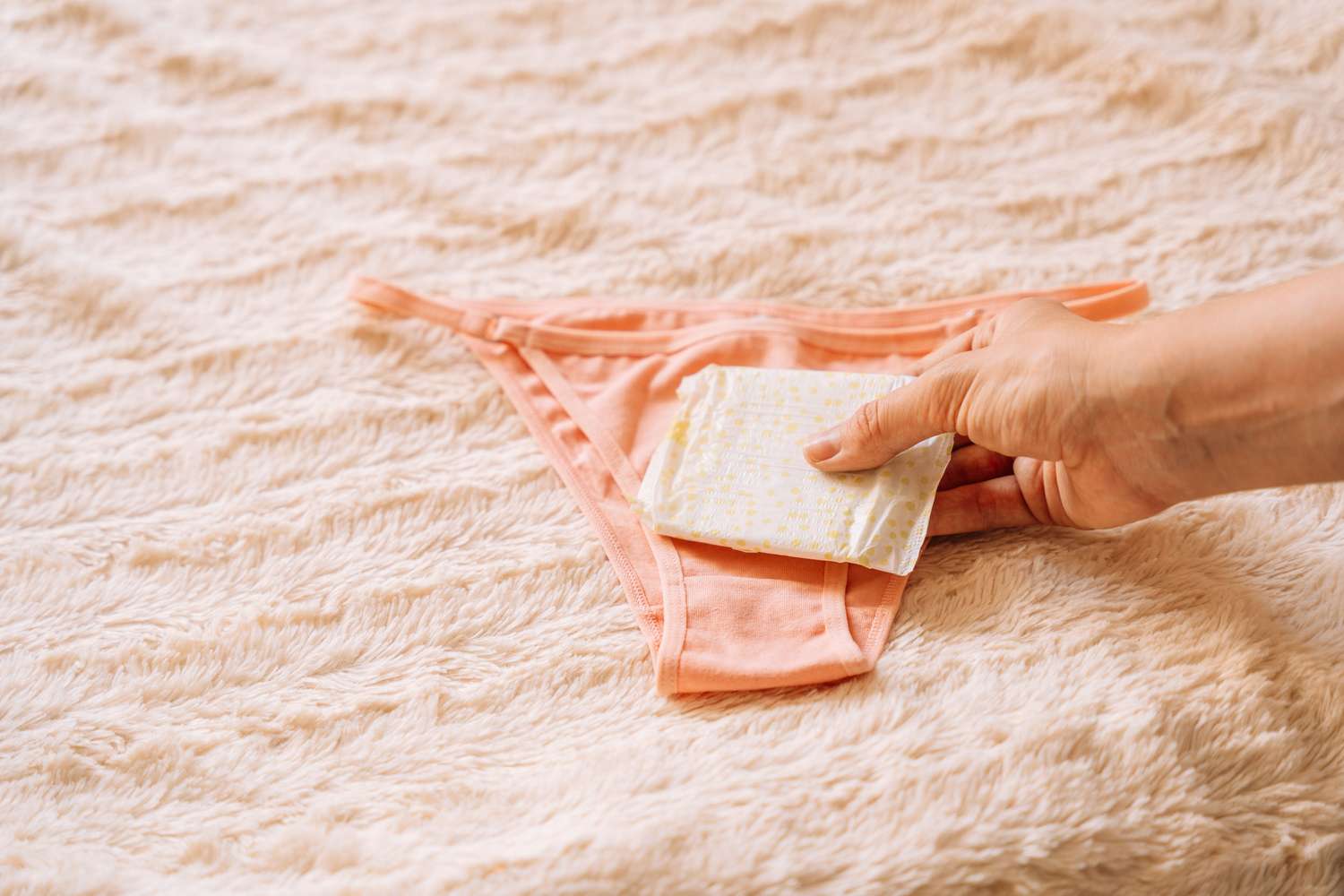
Proper cleaning prevents bacterial growth and maintains the integrity of reusable menstrual products. The Centers for Disease Control and Prevention (CDC) notes that menstrual hygiene is essential for preventing infections and reducing odors. Follow this sequence to clean period underwear or reusable pads safely.
Rinse the product under cold running water as soon as possible. Cold water helps set blood stains and prevents them from binding to the fabric fibers. Do not use hot water at this stage, as heat can cook the proteins in blood into the material.
Fill a basin with cold water and a small amount of mild, fragrance-free detergent. Submerge the product and let it soak for at least 15 to 30 minutes. This loosens residual fluids and reduces the bacterial load before the main wash.
For hand washing, gently rub the fabric together to work the soap into the fibers. For machine washing, place the item in a mesh laundry bag to protect the elastic and waterproof layers. Use a gentle cycle with cold water and avoid bleach or fabric softeners, which can degrade absorbency and waterproofing.
Hang the product to dry in direct sunlight whenever possible. UV rays act as a natural disinfectant, killing remaining bacteria and helping to remove any lingering odors. If drying indoors, ensure the area is well-ventilated. Never store a product that is even slightly damp, as moisture promotes mold growth.
Store clean, dry products in a breathable cotton bag or a dedicated drawer. Avoid plastic containers or sealed bags, which trap humidity and encourage microbial growth. Regularly inspect your products for signs of wear, such as thinning fabric or compromised elastic, and replace them when they no longer function as intended.
Monitor cycle changes for health
Use this section to make the Managing Menstrual Health decision easier to compare in real life, not just on paper. Start with the reader's actual constraint, then separate must-have requirements from details that are merely nice to have. A practical choice should survive normal use, maintenance, timing, and budget. If a recommendation only works in an ideal situation, call that out plainly and give the reader a fallback path.
The simplest way to use this section is to write down the must-have criteria first, then compare each option against those criteria before weighing nice-to-have features.
No comments yet. Be the first to share your thoughts!