

Defining menstrual health goals
Use this section to make the Smart Menstrual Cups vs. Period Underwear decision easier to compare in real life, not just on paper. Start with the reader's actual constraint, then separate must-have requirements from details that are merely nice to have. A practical choice should survive normal use, maintenance, timing, and budget. If a recommendation only works in an ideal situation, call that out plainly and give the reader a fallback path.
The simplest way to use this section is to write down the must-have criteria first, then compare each option against those criteria before weighing nice-to-have features.
How each product manages flow
Menstrual cups and period underwear use entirely different mechanical approaches to manage flow, which directly impacts capacity, leak protection, and wear time. A menstrual cup is a flexible silicone or rubber device that sits in the vaginal canal to collect fluid rather than absorb it. Because it holds the flow inside a sealed reservoir, it can typically accommodate a larger volume of blood than a single tampon or pad, often lasting up to twelve hours depending on individual flow rates. This collection method means the cup does not dry out the vaginal tissue, a benefit noted by the Centers for Disease Control and Prevention regarding menstrual hygiene and infection prevention CDC.
Period underwear, by contrast, relies on layered absorbent fabrics to soak up menstrual fluid. These garments function similarly to high-capacity pads or liners but are integrated into underwear. While they offer excellent leak protection for light to moderate days, their capacity is limited by the thickness of the absorbent core. Once the fabric reaches saturation, the protection fails, requiring a change. This absorption method is generally less effective for heavy flow days compared to a cup, which can hold significantly more volume without risk of overflow.
The choice between collection and absorption affects both convenience and hygiene. Cups allow for longer wear times, reducing the frequency of changes, while period underwear provides a backup layer or a comfortable option for lighter days. Understanding these mechanical differences helps you select the right tool for your specific flow needs.

| Feature | Menstrual Cup | Period Underwear |
|---|---|---|
| Flow Capacity | High (up to 12 hours) | Low to Moderate (4-12 hours) |
| Mechanism | Collects fluid in reservoir | Absorbs fluid into fabric |
| Leak Protection | High when properly sealed | Good for light/moderate flow |
| Vaginal Dryness | Minimal impact | N/A (external use) |
| Change Frequency | Every 8-12 hours | Every 4-12 hours |
Impact on vaginal microbiome
Your vaginal microbiome is a delicate ecosystem that relies on a specific pH balance—typically between 3.8 and 4.5—to keep harmful bacteria at bay. When you choose between menstrual cups and period underwear, you are making a decision about how much that environment is disturbed. Menstrual cups act as a barrier, collecting blood without absorbing the natural fluids that maintain this acidic shield. Because they do not disrupt the mucosal lining, they generally preserve the microbiome’s integrity, provided the cup is sterilized correctly between cycles.
Period underwear, by contrast, absorbs blood and moisture into layered fabrics. While modern materials are designed to wick moisture away, the retained dampness can create a warmer, more humid environment against the skin. For most people, this is not an issue. However, for those prone to bacterial vaginosis or yeast infections, prolonged exposure to moisture can sometimes encourage the overgrowth of bacteria that thrive outside the ideal pH range.
The Centers for Disease Control and Prevention (CDC) emphasizes that menstrual hygiene is fundamental to preventing infections and maintaining overall health. Both products are safe when used correctly, but the mechanism of action differs. Cups offer a non-absorbent alternative that keeps the vaginal canal’s natural flora undisturbed. Period underwear offers a surface-level solution that requires diligent changing to prevent moisture buildup.
Ultimately, the choice depends on your personal health history. If you have a sensitive microbiome or a history of recurrent infections, the non-absorbent nature of a menstrual cup may offer a slight advantage in maintaining pH stability. If you prefer the convenience of absorption, ensuring you change period underwear frequently enough to stay dry is the best way to protect your health.
Comfort During Daily Activities
Choosing between menstrual cups and period underwear often comes down to how each product handles movement, water, and long-term wear. While both options offer discretion, they behave very differently when you are active or submerged.
Menstrual cups are generally preferred for high-intensity exercise and swimming. Because the cup sits internally and seals against the vaginal wall, it stays securely in place during running, yoga, or swimming without shifting or leaking. This makes them a reliable choice for athletes who need a "set it and forget it" solution for several hours at a time. However, this same seal can sometimes create a feeling of pressure or fullness, which some users find uncomfortable during extended wear.
Period underwear offers a different kind of comfort: the sensation of wearing regular clothing. The absorbent layers are soft and breathable, eliminating the internal presence of a cup or tampon. This makes them ideal for low-impact days, travel, or when you simply want to avoid inserting anything. However, the bulkier fabric can feel warm or restrictive during intense workouts, and they are not designed for swimming. Wet period underwear loses its absorbency and can become a hygiene risk.
The CDC notes that menstrual hygiene is important for preventing infections and maintaining comfort throughout your cycle [CDC]. Whether you choose the security of a cup or the softness of underwear, the best option is the one that allows you to stay active and confident without worrying about leaks or discomfort.
Choosing the right option for you
Deciding between a menstrual cup and period underwear comes down to how your body reacts to foreign objects and your daily routine. Neither option is universally superior; the best choice depends on your tolerance for maintenance, your comfort with insertion, and your specific flow needs.
Menstrual cups require manual insertion and removal, which involves learning to relax pelvic muscles and break the suction seal. If the idea of inserting a silicone device into your body causes anxiety or discomfort, period underwear offers a zero-insertion alternative that functions like regular clothing.
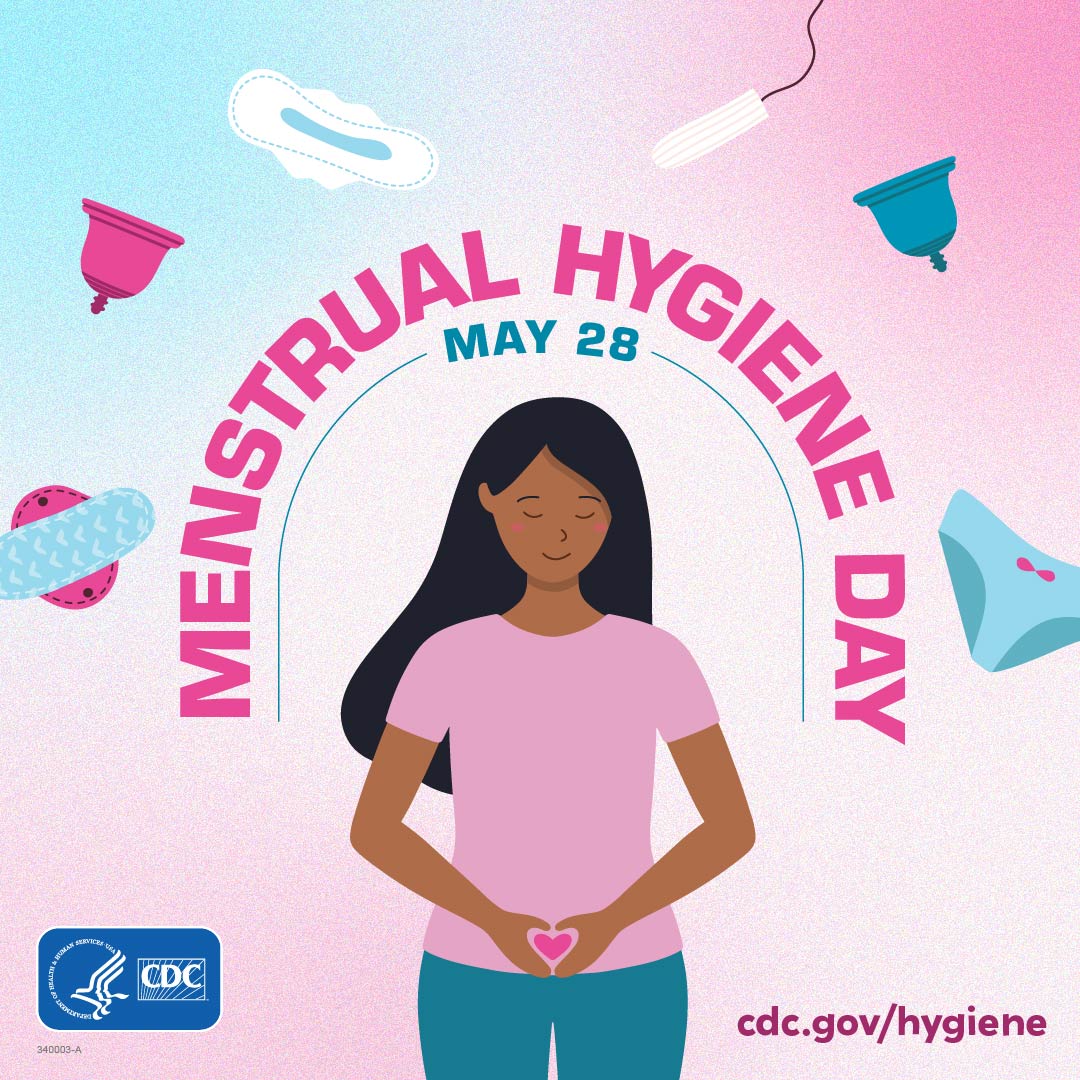
Proper menstrual hygiene is critical for preventing infections, as noted by the CDC. Cups require emptying and rinsing every 8–12 hours, which can be inconvenient in public restrooms. Period underwear absorbs flow internally, eliminating the need for mid-day emptying but requiring you to change the garment every 12–24 hours depending on flow.
If you engage in high-impact sports or travel frequently where laundry access is limited, menstrual cups are often more practical. They hold more volume than a single pad or liner and do not require carrying extra laundry bags. Period underwear is excellent for light flow days, sleep, or as a backup layer to prevent leaks, but may require changing more frequently during heavy flow days.
Many people find that a hybrid approach works best. Using a menstrual cup for high-activity days and period underwear for sleep or light flow days can provide both security and comfort. Start by trying one product at a time to understand how your body responds before committing to a specific method.
No comments yet. Be the first to share your thoughts!