

Match the suit to your flow
Choosing the right period swimwear starts with being honest about your typical flow intensity. These suits are not one-size-fits-all; they are engineered with specific absorbency capacities designed to handle light, moderate, or heavy bleeding. Picking the wrong level can lead to leaks or an uncomfortable, soggy experience.
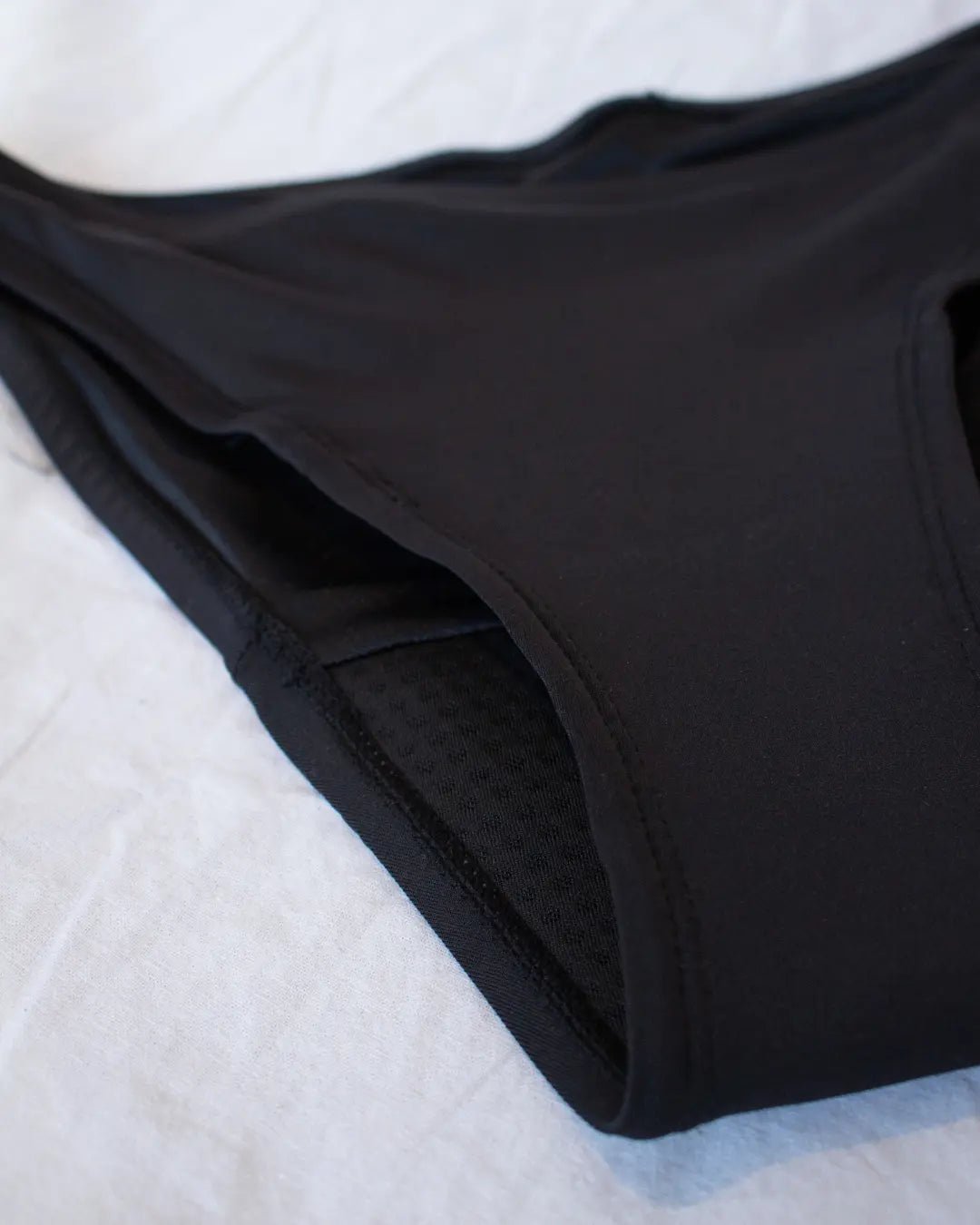
Most period swimwear features a three-layer construction. The top layer wicks moisture away from your skin, the middle layer absorbs fluid, and the outer layer repels water to keep the suit from becoming waterlogged. Understanding this structure helps you select a suit that matches your needs.
Light flow suits are best for the very beginning or end of your cycle. They typically absorb the equivalent of one tampon. If you only need a small amount of protection, this option keeps you dry without adding bulk.
Moderate flow suits handle the bulk of your period. These usually absorb the equivalent of two to three tampons. This is the most common category for period swimwear, offering reliable protection for a full day at the beach or pool without frequent changes.
Heavy flow suits are designed for the first day or when your flow is particularly intense. They can absorb more fluid, but even these have limits. If you are experiencing heavy bleeding, you may need to change your period swimwear more often or use it in combination with a backup method like period underwear or a menstrual cup for extra security.
Pick the right cut for your activity
Choose and Wear Period Swimwear works best as a clear sequence: define the constraint, compare the realistic options, test the tradeoff, and choose the path with the fewest hidden costs. That order keeps the advice usable instead of decorative. After each step, pause long enough to check whether the recommendation still fits the reader's actual situation. If it depends on perfect timing, unusual access, or a best-case budget, include a simpler fallback.
The simplest way to use this section is to write down the real constraint first, compare each option against it, and choose the path that still works outside ideal conditions.
Layer with a backup for safety
Choose and Wear Period Swimwear works best as a clear sequence: define the constraint, compare the realistic options, test the tradeoff, and choose the path with the fewest hidden costs. That order keeps the advice usable instead of decorative. After each step, pause long enough to check whether the recommendation still fits the reader's actual situation. If it depends on perfect timing, unusual access, or a best-case budget, include a simpler fallback.
Rinse and dry after every swim
Choose and Wear Period Swimwear works best as a clear sequence: define the constraint, compare the realistic options, test the tradeoff, and choose the path with the fewest hidden costs. That order keeps the advice usable instead of decorative. After each step, pause long enough to check whether the recommendation still fits the reader's actual situation. If it depends on perfect timing, unusual access, or a best-case budget, include a simpler fallback.
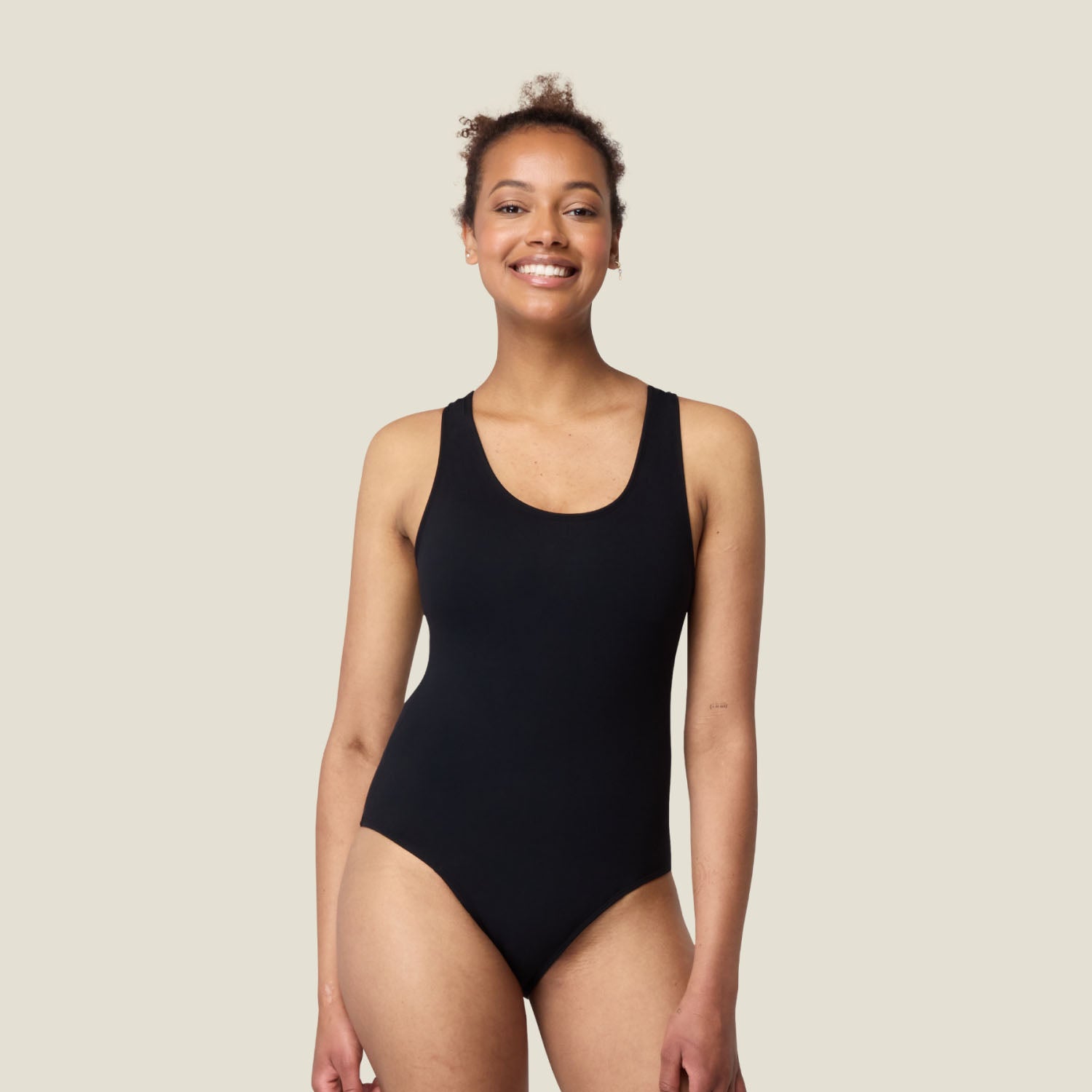
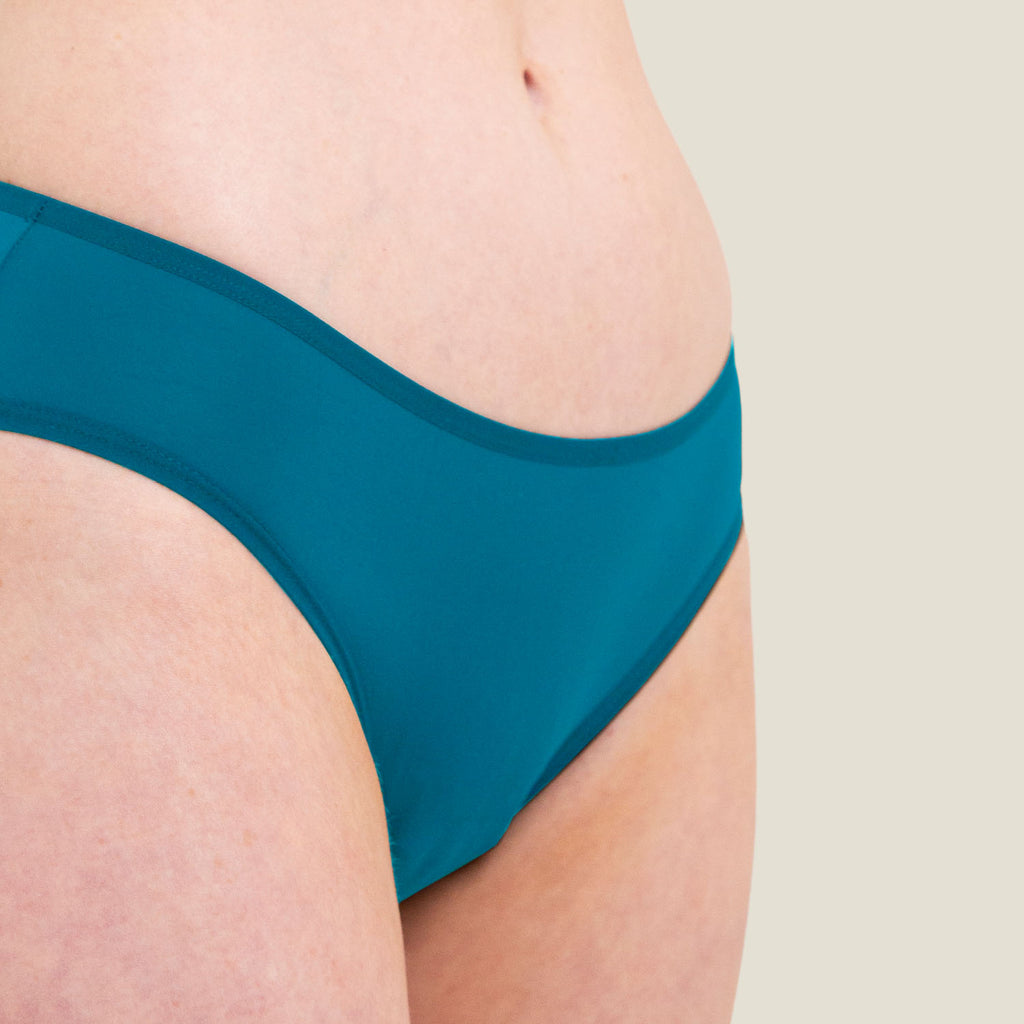
Common period swimwear: what to check next
Period swimwear works by trapping menstrual flow inside the suit’s gusset, but it does not function like a waterproof raincoat. The suit is designed to be worn in water, not to keep water out entirely. Understanding how the layers interact helps you avoid leaks and choose the right capacity for your flow.
No comments yet. Be the first to share your thoughts!