
Budget Fit for Period Symptoms
Period symptoms like cramping, fatigue, and mood swings are universal, but your budget and personal needs dictate how you manage them. Period underwear and swimwear offer a practical alternative to disposable products, yet the price spread is wide. Understanding where to spend depends on your flow intensity, activity level, and how often you plan to wash and reuse the garments.
For light to moderate spotting, entry-level brands often suffice. These options typically cost between $20 and $30 per pair. They provide adequate leak protection for daily use but may require more frequent changes during heavier flow days. If you experience severe cramping or heavy flow, investing in higher-absorbency, medically graded fabrics is often necessary. These premium pieces, ranging from $30 to $50+, offer better coverage and durability, reducing the need for multiple backups.
Age and condition also play a role. Younger users or those with irregular cycles might benefit from a mix of affordable options to test fit and comfort. For postpartum bleeding or perimenopausal spotting, higher-capacity, specialized underwear is usually worth the extra cost. Always check the return policy, as fit can vary significantly between brands due to differences in cut and fabric elasticity.

As an Amazon Associate, we may earn from qualifying purchases.
When comparing options, look beyond the sticker price. Consider the cost per wear. A $40 pair that lasts two years costs less than $0.10 per wear, whereas cheaper alternatives may degrade faster or fail to protect adequately, leading to laundry loads or stained clothing. Balance your initial investment with the expected lifespan and performance to find the right fit for your budget.
Shortlist real options
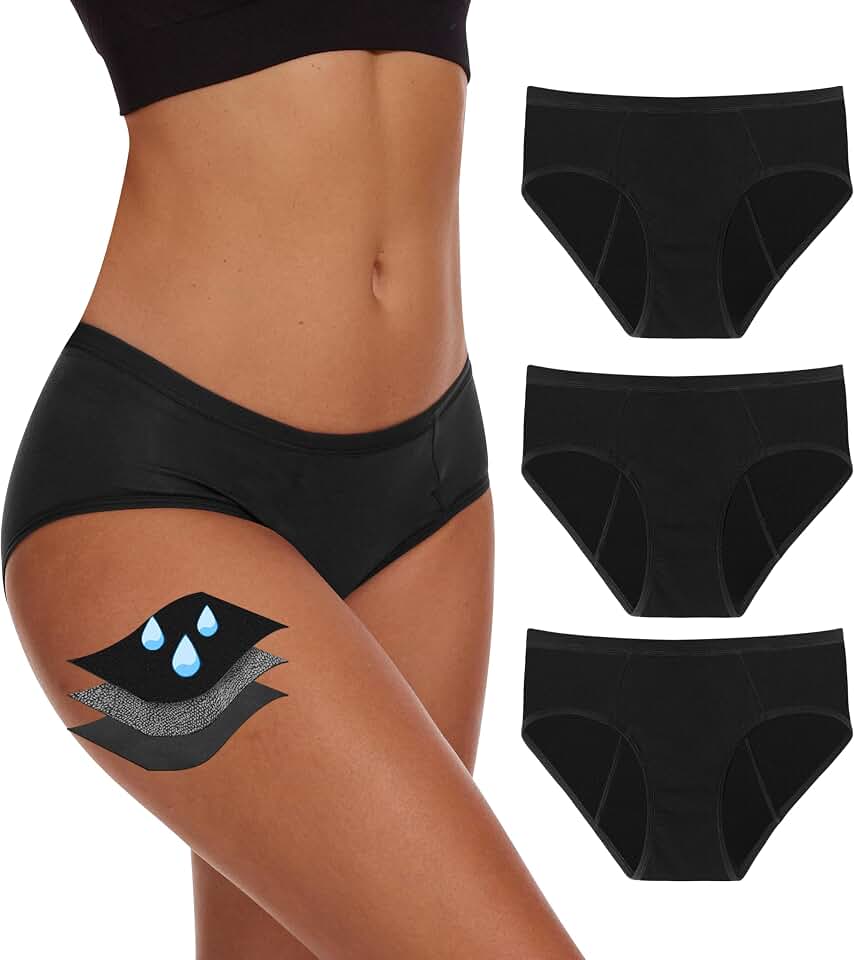
Managing spotting and cramps requires underwear that handles fluid volume while providing gentle abdominal support. Not all period swimwear and underwear offer the same protection levels. Some designs focus on high-absorbency cotton blends for heavy flow, while others use moisture-wicking synthetics for active swimming or hot weather.
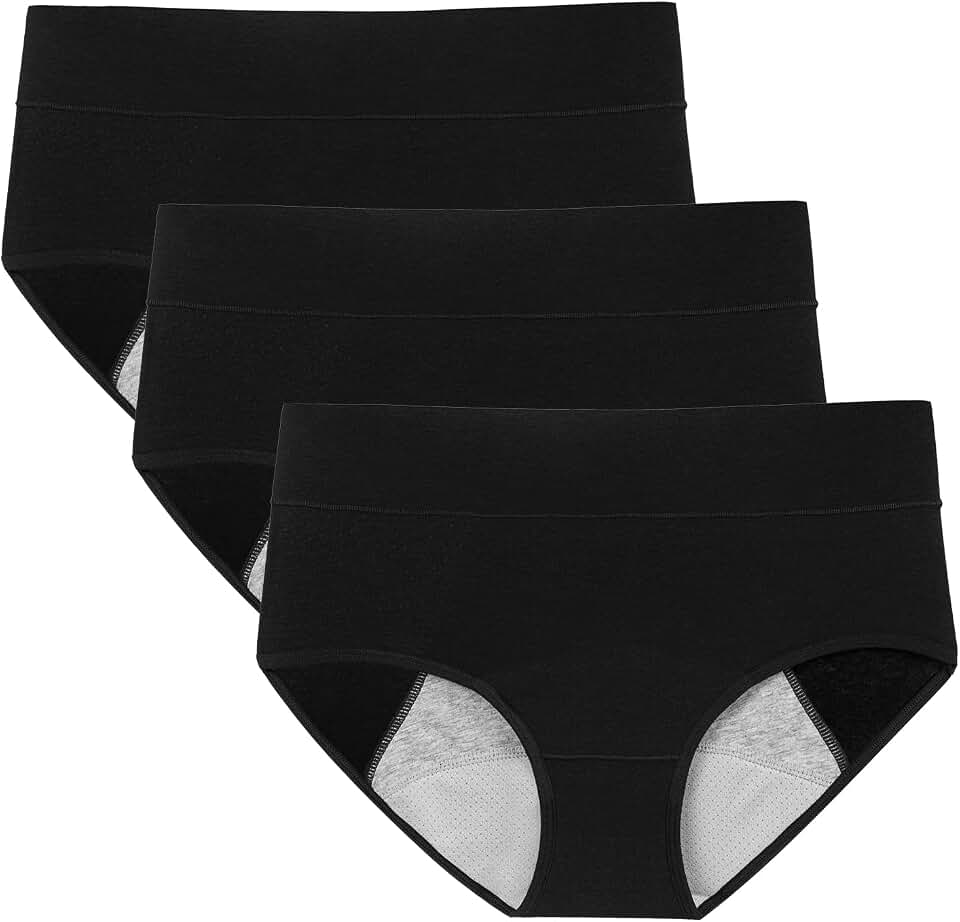
Choosing the right pair often depends on your specific symptoms. If cramping is your primary concern, look for wider waistbands that offer compression without digging in. For spotting, opaque fabrics with a reliable leak-proof gusset are essential to prevent stains on clothing.
We compared the top-performing period underwear and swimwear options based on absorbency, comfort, and durability. The table below breaks down the key features of each recommended product to help you decide which style fits your needs.
| Product | Type | Absorbency Level | Best For |
|---|---|---|---|
| Thinx High-Waisted Brief | Underwear | Heavy | Overnight or heavy flow days |
| Knix Leak-Proof Bikini | Swimwear | Light to Medium | Swimming with light spotting |
| Seamless Period Panty | Underwear | Medium | Everyday comfort and cramping |
| High-Waist Period Shorts | Underwear | Heavy | Sleeping and intense cramps |
The Thinx High-Waisted Brief stands out for its ability to handle heavy flows without shifting. The high waist provides extra coverage and mild compression, which can help soothe lower back pain and cramping. Users frequently note that the fabric remains breathable even after a full day of wear.
For those who need to swim with their period, the Knix Leak-Proof Bikini offers a secure fit. It uses four layers of leak-proof fabric to absorb small amounts of bleeding, making it ideal for light spotting. While it won't stop menstrual flow entirely, it provides peace of mind in the water.
The Seamless Period Panty is a versatile choice for daily wear. Its no-show edges prevent visible panty lines, and the medium absorbency level handles moderate flow days effectively. The soft, stretchy material reduces irritation around the hips and waist, which is helpful when you are already feeling sensitive.
High-Waist Period Shorts are perfect for sleepers or those experiencing severe cramps. The extended rise covers more of the abdomen, offering warmth and support. The heavy absorbency gusset ensures that overnight leaks are contained, allowing for restful sleep without the need for extra pads.
Inspect the expensive parts
Spotting and cramps are the two main reasons period underwear and swimwear fail when it matters most. The cost of a leak isn't just the ruined outfit; it's the time lost, the stress added, and the confidence shaken. To avoid these expensive outcomes, you need to inspect the specific failure points before you buy or wear them.
Check the absorbency rating for your flow
Period underwear is rated by flow (light, medium, heavy). Spotting is tricky because it can surprise you even if you feel dry. If you experience spotting, do not rely on "light" ratings. Look for products that offer medium absorbency even for light days. The extra fabric layers provide a buffer against unexpected blood release, which is the primary cause of staining on expensive clothing.
Inspect the leak-proof barrier material
The core technology in period swimwear and underwear is a waterproof PUL (polyurethane laminate) or similar barrier. This layer sits between the absorbent core and the outer fabric. If this layer is thin or poorly sealed at the seams, fluid will wick through to your clothes. Check product descriptions for "leak-proof" or "waterproof" claims. If possible, look for reviews mentioning "no wicking" or "dry touch" to ensure the barrier is working as intended.
Verify the gusset width and coverage
Spotting often occurs at the very beginning or end of a cycle, when flow is minimal but unpredictable. Narrow gussets (the crotch area) may not cover the full vaginal opening or the surrounding labia, allowing blood to escape sideways. Inspect the product specifications for gusset width. A wider gusset provides more coverage and reduces the risk of side leaks, which are common with spotting.
Test the fit and compression
Cramps can cause bloating, which changes the fit of your underwear or swimwear. If the waistband is too tight, it can dig in and increase discomfort. If it's too loose, it won't hold the absorbent layers in place, leading to leaks. Look for products with adjustable waistbands or stretchy, high-rise designs that accommodate bloating without sacrificing the seal needed to prevent leaks.
Review the care instructions
The longevity of the leak-proof barrier depends on proper care. Harsh detergents, fabric softeners, and high-heat drying can degrade the waterproof layers over time, leading to premature failure. Always follow the manufacturer's care instructions. Washing in cold water and air drying will extend the life of the product, ensuring it remains effective for future cycles.
Plan for ownership costs
Period underwear is an investment in convenience, but the total cost depends on how long the garments actually last. Cheap options often degrade faster, turning a low upfront price into a higher cost per wear. To get the most value, you need to look beyond the tag price and consider maintenance and durability.
Wash and dry correctly
Heat is the enemy of the absorbent layers. High dryer temperatures break down the moisture-wicking fabrics and can weaken the waterproof barrier, leading to leaks. Always wash in cold water and air dry or use the lowest heat setting. Proper care can extend the life of your underwear by years, keeping the cost per use low.
Replace when performance drops
Even with careful washing, period underwear has a lifespan. If you notice leaks, odor retention, or reduced absorbency, it’s time to replace them. A pair that costs $25 but only lasts two months is more expensive than a $40 pair that lasts a year. Track how many cycles each pair handles to find the best value for your body.
Budget for a rotating wardrobe
You’ll need enough pairs to last through your cycle without constant washing. For most people, this means owning 5-7 pairs. Calculate your monthly budget by multiplying the cost per pair by the number needed, then divide by the expected lifespan in months. This gives you a realistic view of the ongoing expense.


As an Amazon Associate, we may earn from qualifying purchases.
Period symptoms: what to check next
Understanding your body’s signals helps you choose the right protection before spotting starts. Here are answers to the most common questions about premenstrual signs.
What are the signs that your period is coming soon?
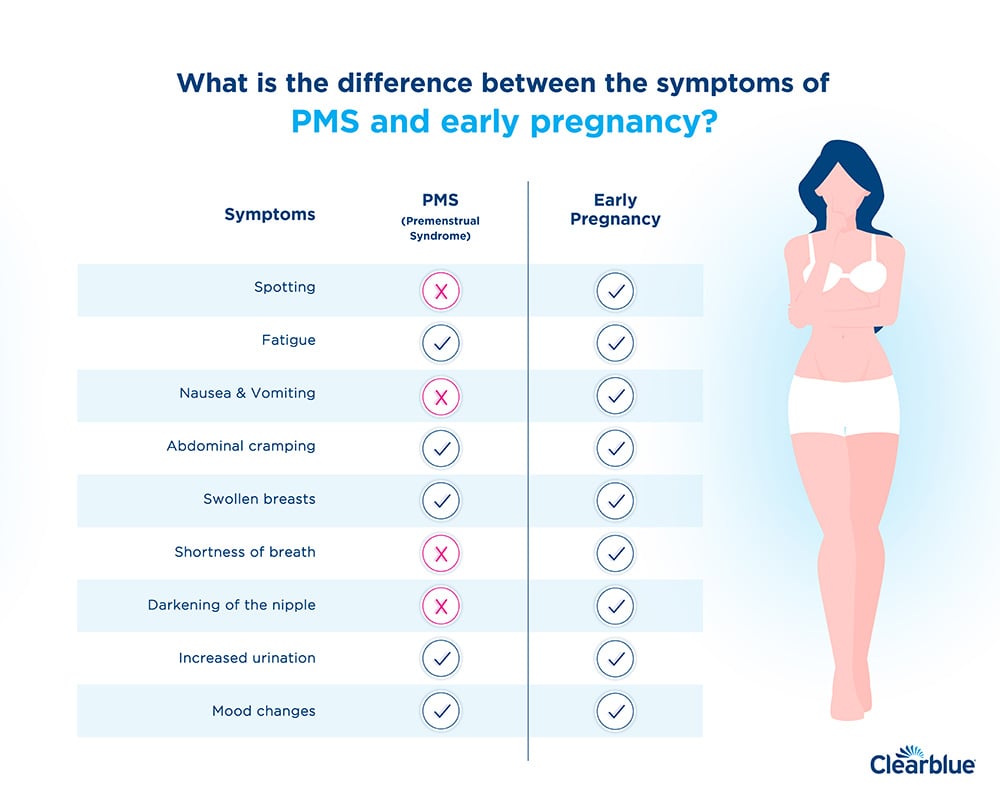
Your body often gives notice a few days before bleeding begins. Common early indicators include lower abdominal cramping, backache, bloating, and breast tenderness. You might also notice mood swings, fatigue, or food cravings. Spotting—light pink or brown discharge—can appear 1-2 days before full flow starts.
What are the 9 signs your period is coming?
The nine most frequent premenstrual signs are:
- Cramping in the pelvic or abdominal area.
- Lower back pain.
- Bloating or water retention.
- Breast soreness or heaviness.
- Headaches or migraines.
- Fatigue or low energy.
- Mood changes or irritability.
- Acne flare-ups.
- Nausea or digestive changes like diarrhea.
What are the signs of a period happening?
When your period is actively happening, you will see visible blood flow. It typically starts light and becomes heavier over 1-3 days. Cramping may intensify during the heaviest flow. Some people experience nausea or headaches alongside the bleeding. Using period underwear or swimwear with adequate absorbency is crucial during these days to prevent leaks.
I have period symptoms but no period. What could be causing this?
If you feel cramps or bloating but no bleeding arrives, it could be stress, a delayed ovulation, or perimenopause. Pregnancy can also cause PMS-like symptoms without immediate menstruation. If symptoms persist or cycle irregularities continue, consult a healthcare provider to rule out underlying conditions.
No comments yet. Be the first to share your thoughts!