

Check your flow level first
Before you head to the pool, it helps to know where you are in your cycle. Period swimwear is designed to handle light to moderate flow, acting as a reliable shield during those lighter days. If you are at the start or end of your period, or simply have a lighter natural flow, a single piece of period swimwear is often enough to keep you leak-free and confident in the water.
However, if your flow is heavier, the rules change. The absorbent layers in period swimwear have a limit. While many brands can hold the equivalent of several tampons, that capacity is finite. If you are experiencing a heavy day, relying solely on the swimwear can lead to leaks, especially if you plan to stay in the water for an extended period. In these cases, the swimwear should be viewed as part of a system rather than the whole solution.
For heavy flow days, the best approach is to pair your period swimwear with a backup method. A menstrual cup or internal tampon can catch the initial flow, while the swimsuit acts as a safety net against any unexpected leaks. This combination gives you the freedom to enjoy the water without worrying about accidents. Think of the swimsuit as your final line of defense, not your primary barrier.
If you are unsure about your flow level, start with a conservative approach. You can always rinse and change your swimsuit if needed, but it is easier to plan for backup protection from the start. Knowing your body’s patterns will help you choose the right strategy for each pool day.
Pick the right absorbency tier
Choosing the correct absorbency tier is the most critical step in preventing leaks. Period swimwear isn't one-size-fits-all; the lining density varies significantly between brands and specific suit styles. Matching the suit's capacity to your flow ensures you stay dry without unnecessary bulk.
Most period swimwear brands categorize their suits into three tiers: light, moderate, and heavy. Light flow suits handle the first or last days of your cycle. Moderate suits are the workhorses for average days. Heavy flow suits are designed for high-volume days or overnight protection when swimming isn't the primary activity.
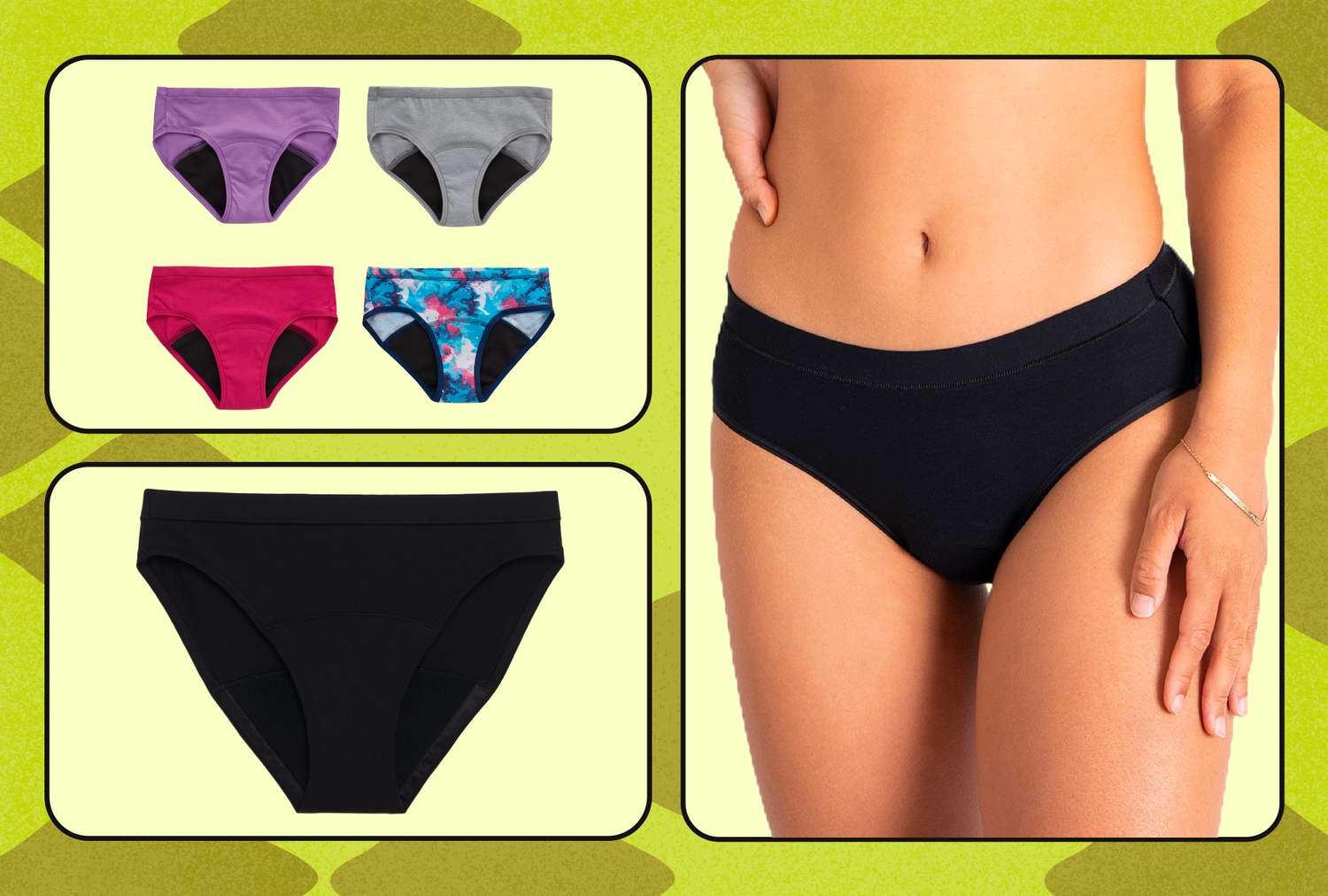
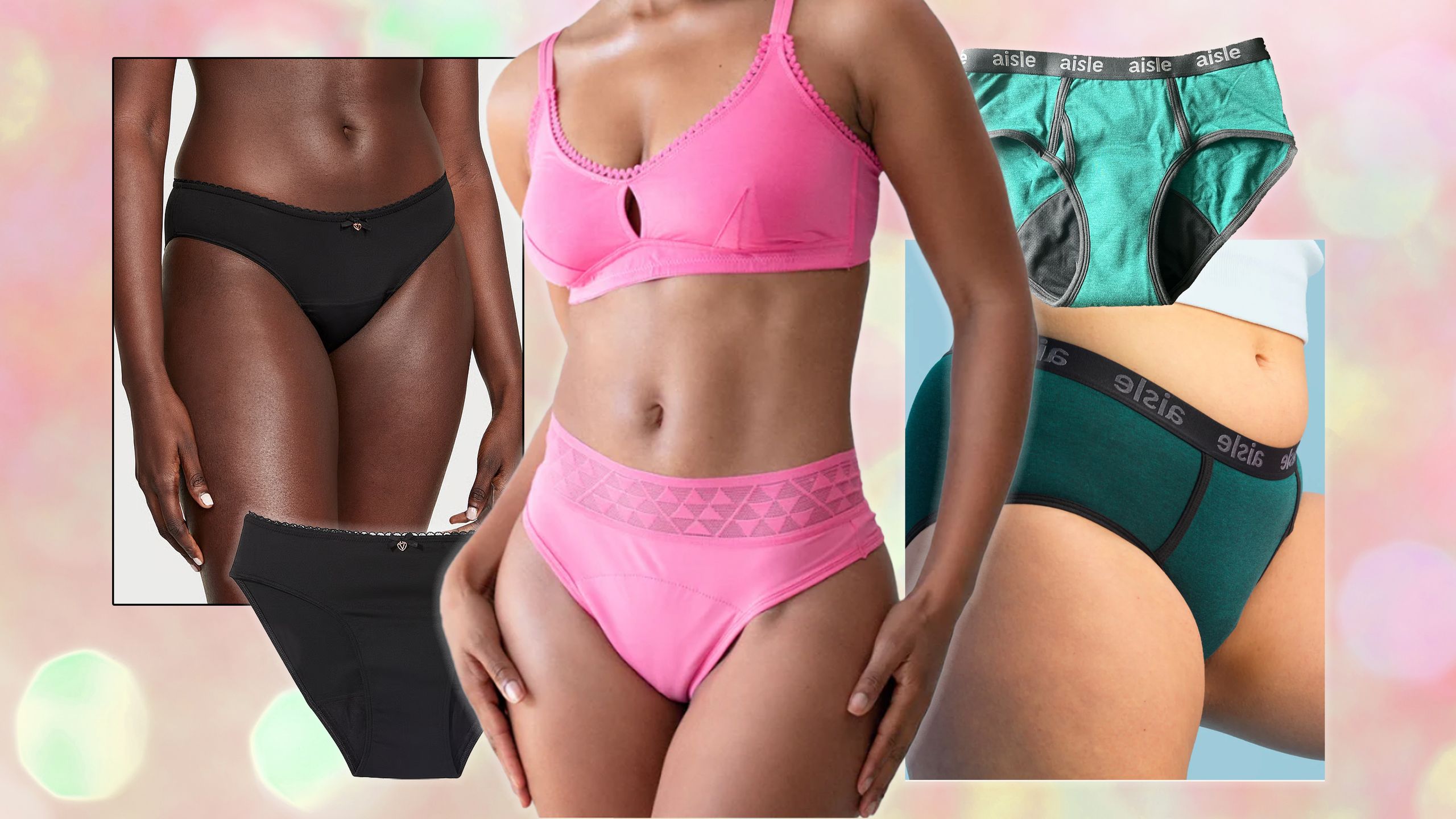
To help you compare options, here is a breakdown of how major brands classify their absorbency levels. Note that "tampon equivalent" is an industry standard metric, but actual capacity can vary based on fit and water pressure.
| Brand | Light Flow | Moderate Flow | Heavy Flow |
|---|---|---|---|
| Knix | 1-2 tampons | 2-3 tampons | N/A |
| Modibodi | 1-2 tampons | 2-3 tampons | 4+ tampons |
| WUKA | 1-2 tampons | 2-3 tampons | 4+ tampons |
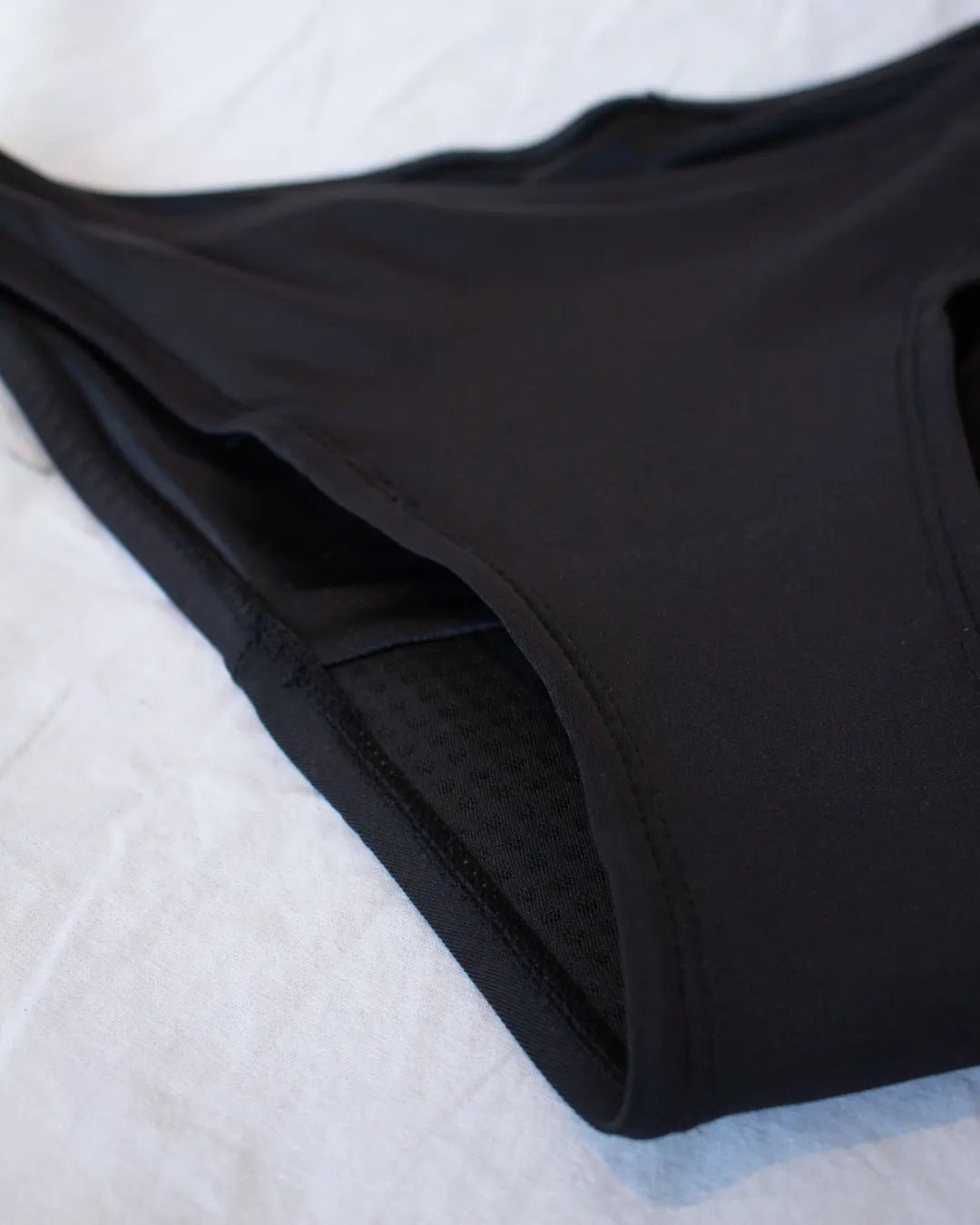
If you have a heavy flow, look for suits explicitly labeled "heavy" or "maximum absorbency." These suits often feature an extra layer of absorbent fabric in the gusset. For moderate flow, a standard period swimsuit is usually sufficient. If you are on the lighter end, a light-flow suit will be more comfortable and breathable.
Always check the brand's specific sizing chart. A suit that fits too loosely may not contain the fluid effectively, while one that is too tight can compress the absorbent layers, reducing their capacity. When in doubt, size up for heavy flow days to maximize the surface area of the lining.
Wear period swimwear correctly
Putting on period swimwear is straightforward, but getting the fit right is the difference between a relaxing swim and a leaky mess. The goal is to position the absorbent core exactly where you need it and ensure the fabric lays flat against your skin.
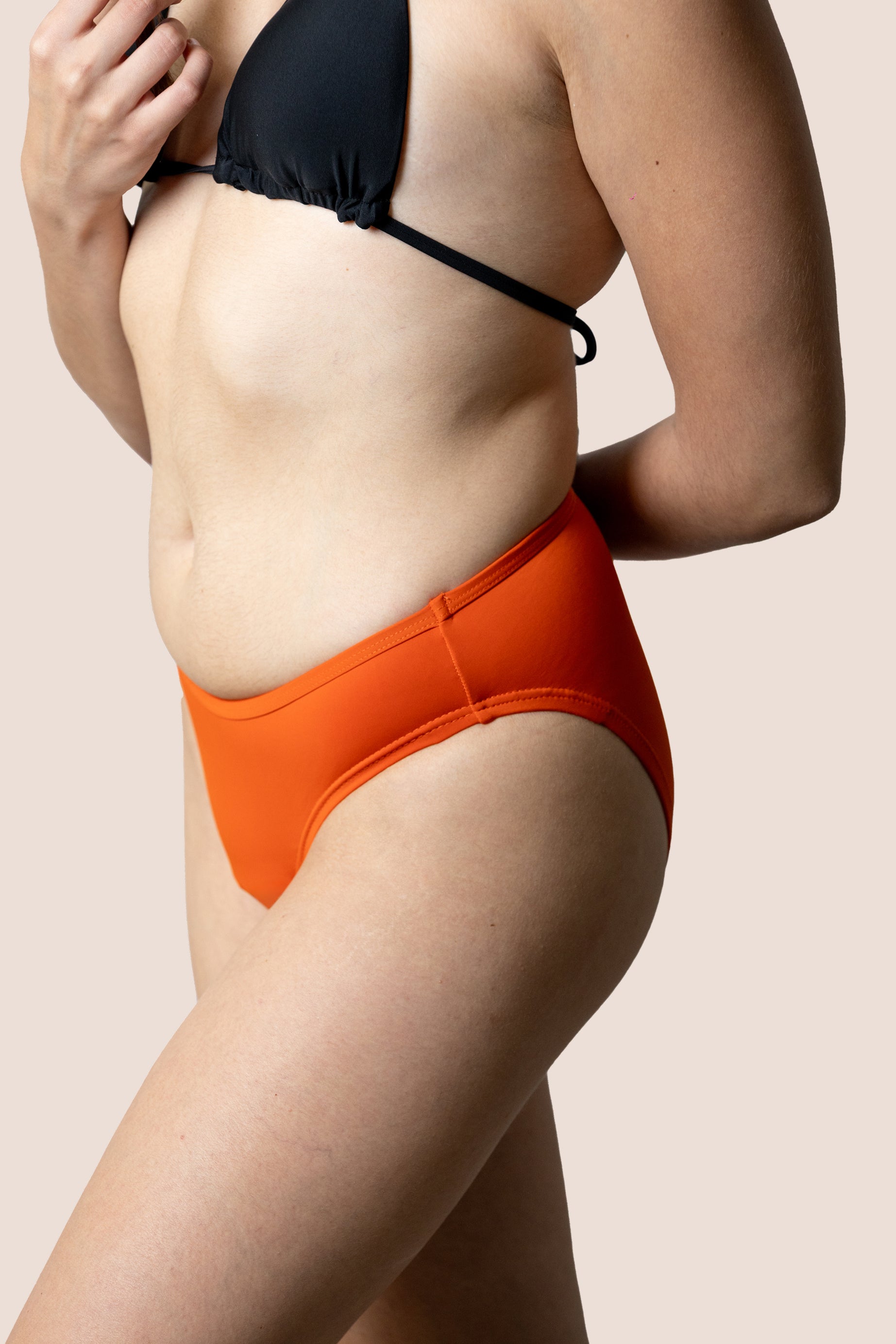
Start by checking the brand’s sizing chart. Period swimwear relies on compression and fit to trap fluid; if it is too loose, blood can escape the absorbent layers. If it is too tight, the fabric may stretch thin and reduce protection. Aim for a snug but comfortable fit that stays in place when you move.
Most period swimwear has a distinct absorbent panel in the front or gusset area. Pull the suit up so this core aligns perfectly with your anatomy. For high-waisted styles, ensure the waistband sits at your natural waistline to prevent sliding down. For bikinis, make sure the bottom piece is centered and not twisted.
Before entering the water, do a quick fit check. Smooth out any wrinkles in the fabric, especially around the hips and legs. Check that the leg openings are not rolled up or twisted, as gaps here are the most common entry points for leaks. The suit should feel secure without digging in.
Enter the water slowly. The fabric will absorb some water immediately, which is normal. Move around a bit in shallow water to ensure the suit stays in place. If you feel shifting or discomfort, adjust it now before you commit to deeper swimming or longer durations.
When you leave the pool, blood can drip through the fabric as it dries. If you have a heavy flow, consider wearing dark shorts or a cover-up over your swimwear. Rinse the period swimwear with cold water as soon as possible after use to remove blood and chlorine, which preserves the absorbent layers for next time.
Wash steps
-
Hand wash preferred: Use cold water and a mild detergent. Avoid bleach, fabric softeners, and harsh chemicals that break down absorbent fibers. If you must use a machine, place the suit in a mesh bag and use a gentle cycle.
-
Dry flat: Lay the suit on a clean towel and roll it up to absorb moisture. Unroll and lay flat to dry away from direct sunlight or heat sources. Do not tumble dry. Heat damages the elastic and the absorbent core.
-
Store properly: Once completely dry, store the suit in a cool, dry place. Avoid folding it tightly for long periods. Rotate your suits to allow them to recover their shape between uses.
Common period swimwear: what to check next
Even with the best period swimwear, understanding its limits helps you plan your day. These garments act like sponges that trap fluid, which means they have a physical ceiling. Knowing that ceiling prevents panic and keeps your pool days leak-free.
What are the main disadvantages?
The primary drawback is limited capacity. Most period swimwear can absorb the equivalent of up to eight regular tampons. If you have a heavy flow, the suit may reach saturation faster, requiring you to change or rinse it sooner than you might expect for lighter days.
Can period swimwear handle a heavy flow?
Yes, but with caveats. For heavy flow days, the suit will fill up more quickly. You may need to change into a dry suit or rinse the wet one before returning to the water to maintain hygiene and prevent leaks. It is less about "holding forever" and more about managing the volume over time.
How often do I need to change?
This depends on your flow intensity and how long you stay in the water. For light to moderate flow, you might wear the same suit for several hours. For heavier flow, you might need to change every two to three hours. Always check the fit; if it feels heavy or saggy, it’s time to change.
No comments yet. Be the first to share your thoughts!