

How period swimwear handles flow
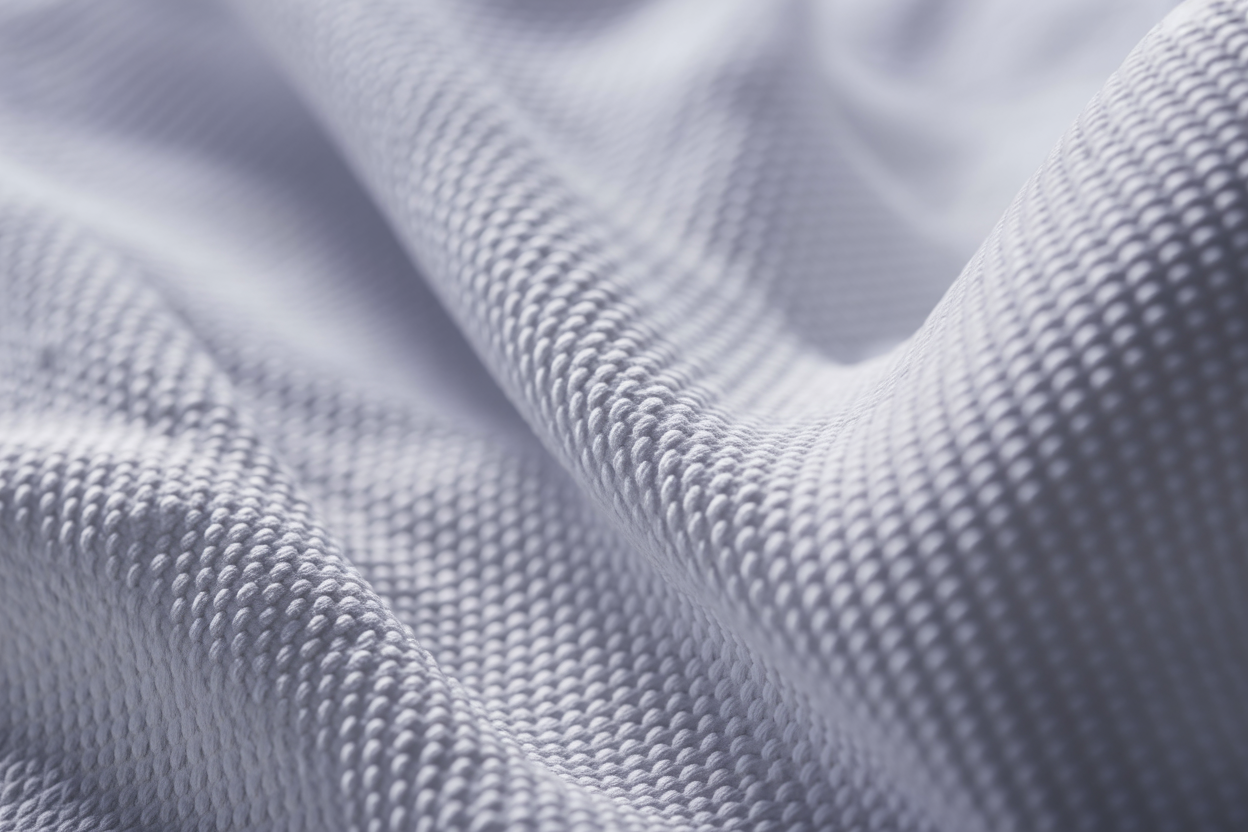
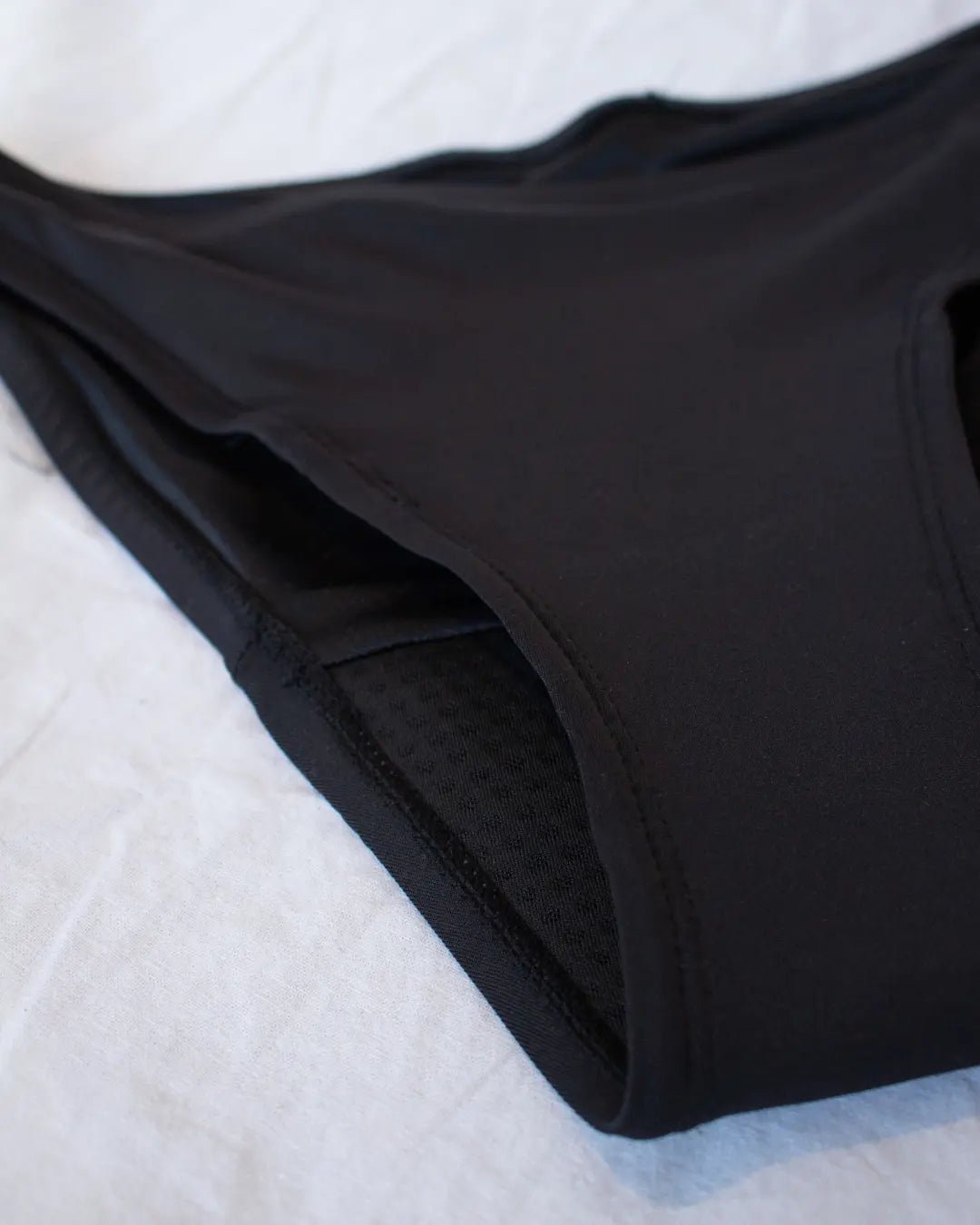
Period swimwear relies on layered absorbency rather than the suction-based barriers of traditional pads or tampons. Instead of catching flow in a single pocket, these suits use multiple layers of moisture-wicking fabric to pull liquid away from the skin and trap it within the suit’s core. This design keeps you dry and reduces the risk of leaks, allowing you to move freely in the water without constant adjustments.
The technology is built to manage light to moderate flow, typically handling the equivalent of one to two tampons. For many swimmers, this capacity is sufficient for a full practice session or a day at the beach. However, period swimwear is not a backup solution for heavy flow days. If your bleeding is heavier, you may need to change the suit more frequently or combine it with a menstrual cup or disc for added security.
Understanding this capacity helps set realistic expectations. You can wear period swimwear alone if your flow is light, but for moderate to heavy days, pairing it with internal protection like a menstrual cup provides peace of mind. The suit acts as a safety net, catching any accidental leaks while the internal device manages the primary flow. This combination allows for longer wear times and greater confidence in the water.
Pick the right cut for your activity
Choosing period swimwear starts with matching the cut to how you plan to move in the water. A one-piece offers maximum security for active laps, while a bikini or shorts set provides flexibility for lounging. The goal is to find a silhouette that stays in place and keeps your flow contained without restricting your movement.
One-Piece for Lap Swimming
If you are hitting the lanes or playing water polo, a one-piece is the standard choice. These suits minimize fabric that can shift or expose skin during vigorous strokes. Look for period swimwear with a high-cut leg or a racerback design to ensure full range of motion. The tight, continuous fit of a one-piece also reduces the chance of leaks, as there are no separate bottoms to slide down.
Bikini and Shorts for Lounging
For poolside relaxation or beach volleyball, a two-piece or swim shorts set offers comfort and style. Many brands now offer period-proof bikini bottoms or matching shorts that absorb flow just like a one-piece. This cut is ideal if you plan to change into a cover-up often or prefer the adjustable fit of a bikini top. Just ensure the bottom layer has enough absorbency for your flow level, as the separate top means you are relying entirely on the bottom for leak protection.
Comparison of Period Swimwear Cuts
Use this table to compare the key features of different cuts to see which fits your activity best.
| Cut | Best For | Security | Adjustability |
|---|---|---|---|
| One-Piece | Lap swimming, water polo | High | Low |
| Bikini | Lounging, sunbathing | Medium | High |
| Swim Shorts | Beach volleyball, casual wear | Medium | Medium |
| Skirted Bottom | Active play, modesty | Medium-High | Medium |

As an Amazon Associate, we may earn from qualifying purchases.
Wear it correctly for leak protection
Putting on period swimwear is straightforward, but getting the fit right ensures the absorbent layers stay exactly where they need to be. Think of the suit like a second skin; if it gaps or rides up, the leak-proof barriers lose their seal against your body. Proper placement turns a regular swimsuit into a reliable shield for your pool or beach day.
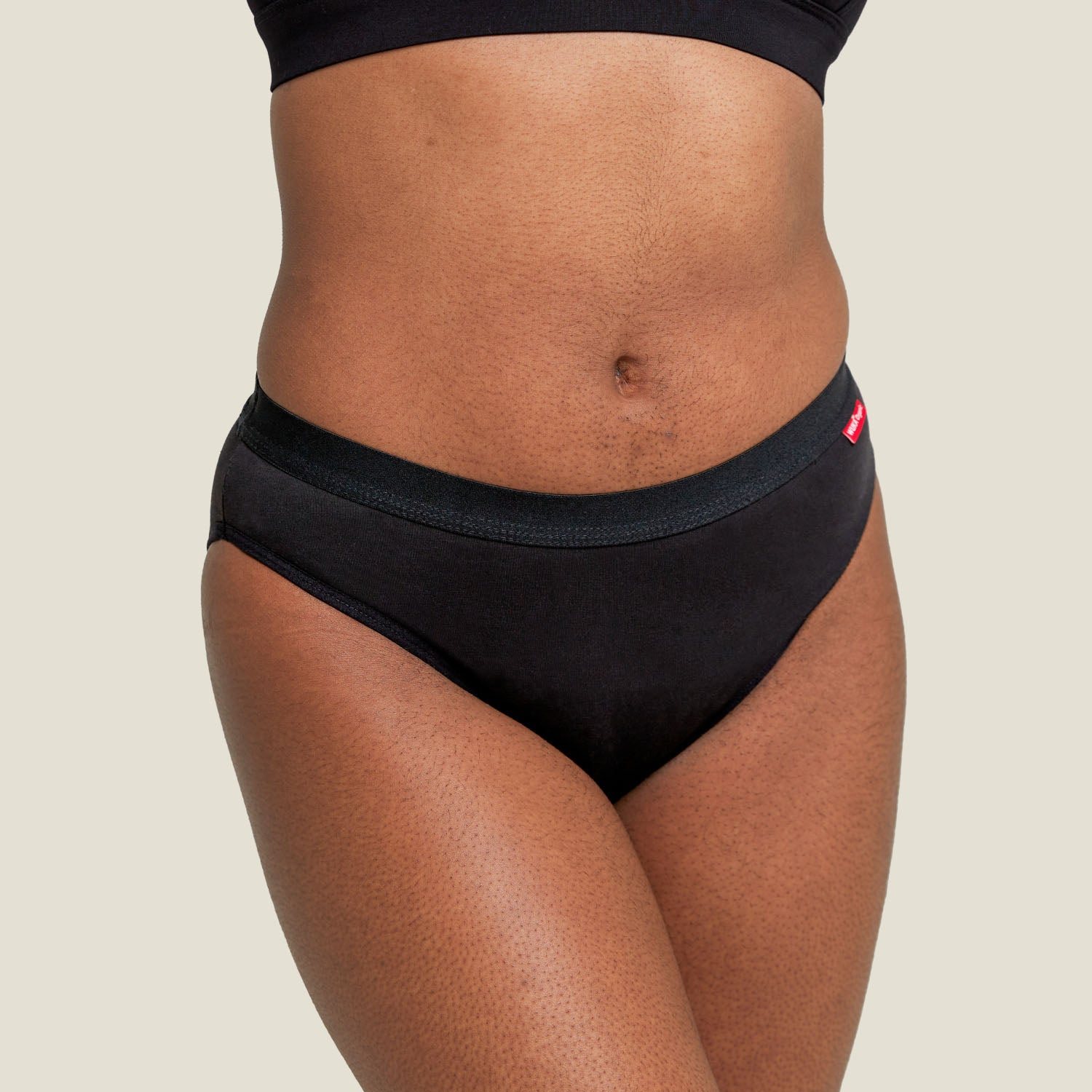
Dry skin is the foundation of a secure fit. Period swimwear relies on tight, compression-style fabric to hold the absorbent core against your body. If you put the suit on while still wet from a shower or pool, the fabric will stretch out and slide, creating gaps where leaks can occur. Towel off completely before dressing.
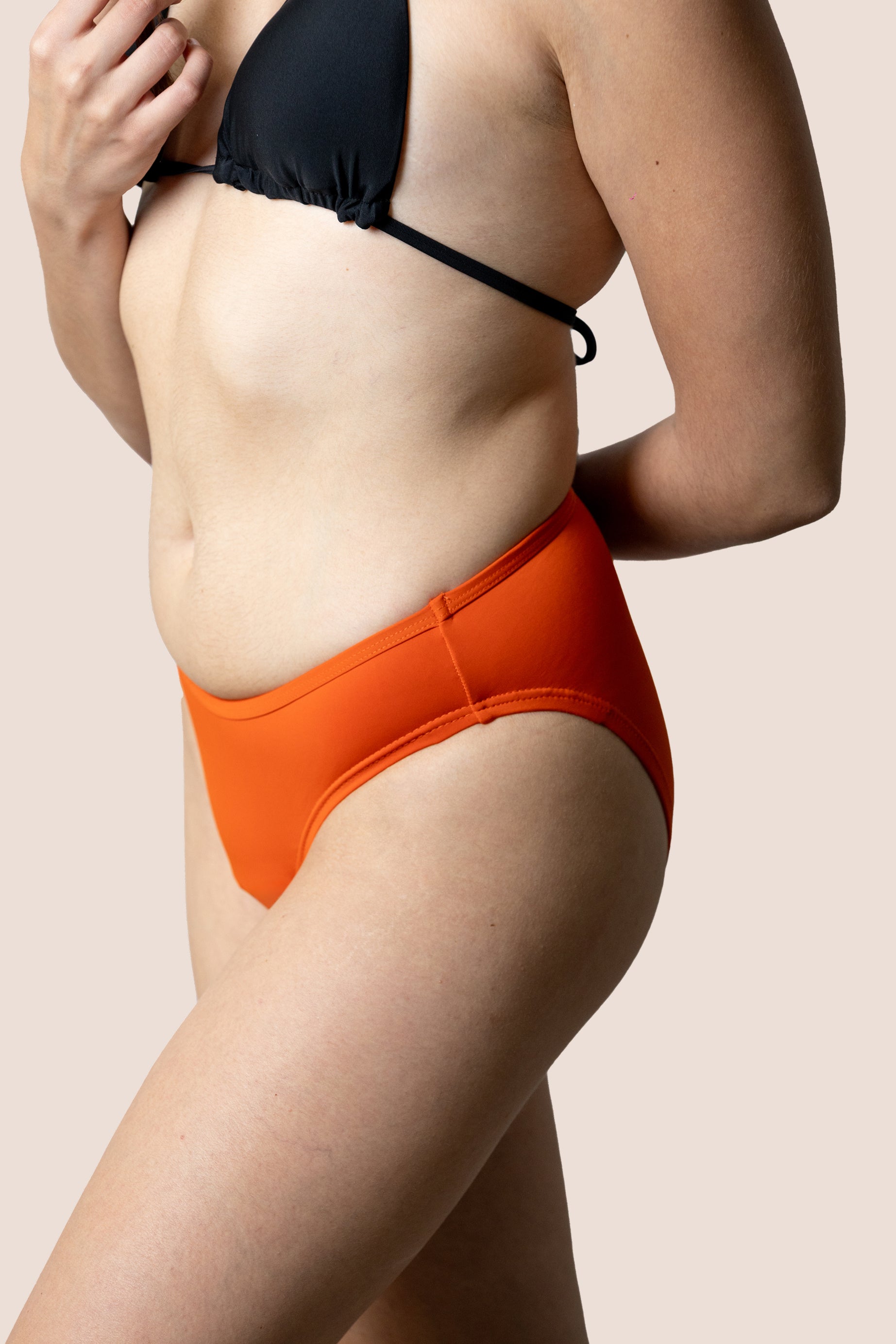
Adjust the bottoms so the absorbent gusset sits directly over your menstrual flow. The suit should feel snug, similar to high-waisted shapewear or athletic compression shorts. If the suit feels loose, it won’t absorb effectively. For bikinis, ensure the bottom piece is pulled up fully before fastening the top.
Make sure the leg openings sit flat against your thighs without rolling down. Rolled edges create a channel for water and fluid to escape. If the fabric keeps rolling, try sizing up slightly for a better cut, or adjust the fit while standing rather than sitting, as your body shape changes with movement.
Do a few squats, lunges, or stretches in private before heading to the water. This confirms that the suit stays in place and doesn’t shift during activity. If the suit moves, readjust it. A secure fit prevents the absorbent layers from bunching up, which is the most common cause of unexpected leaks.
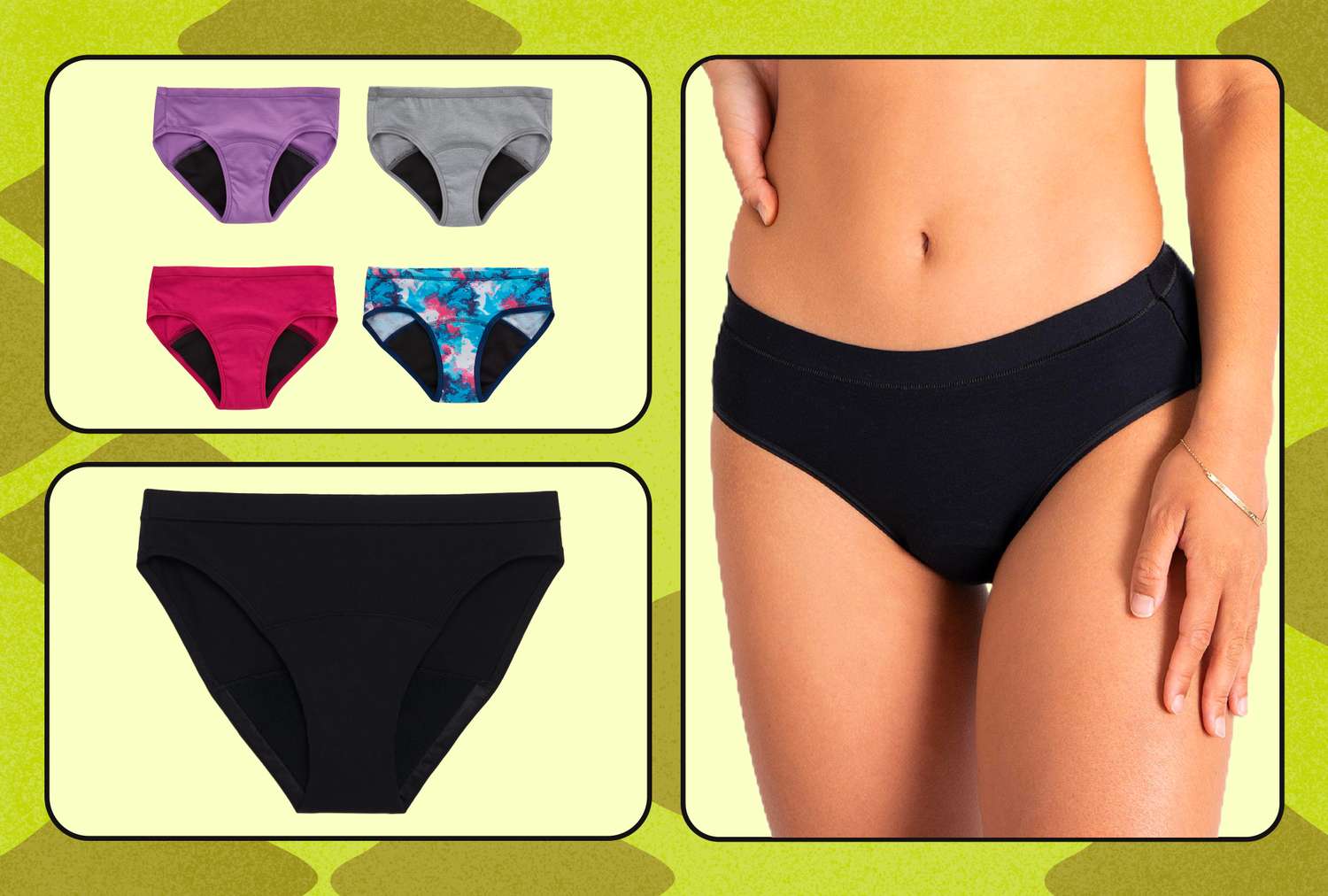
Period swimwear is designed to handle your flow alone, but you can wear a tampon or menstrual cup underneath for extra peace of mind. This combination is especially helpful for heavier flow days or long swims. The suit catches any minor overflow, while the internal product manages the bulk of the flow.
Once you are in the water, the suit will absorb pool or ocean water along with your period fluid. This is normal and actually helps the fabric work as intended. The absorbent layers expand slightly when wet, creating a tighter seal against your skin. Just remember that the suit’s capacity is limited, so monitor your flow and change if necessary to maintain comfort and protection.
Avoid common period swimwear mistakes
Even with the best period swimwear, leaks happen when users skip a few basic rules. Most failures come down to three errors: picking the wrong size, ignoring flow limits, and washing the suit incorrectly. Fix these habits, and your swimwear will perform reliably all season long.
1. Ignore the fit
A common mistake is sizing down for a "snug" feel or sizing up for comfort. Period swimwear relies on a tight seal at the hips and waist to lock the absorbent core in place. If the fabric gaps, fluid escapes. If it's too tight, the layers compress, reducing absorbency. The suit should feel secure but not constricting. If you are between sizes, check the brand's size chart for hip measurements, not just general dress size.
2. Overestimate the flow
Period swimwear is designed for light to moderate flow. It works best as a standalone option for those days or as a backup for heavier days when worn with a tampon or menstrual disc. If you have a very heavy flow and expect the suit to handle it alone for hours, you risk saturation. Change the suit if it feels heavy or damp, or switch to a backup liner for high-volume days. The absorbent layers in period swimwear can hold only so much before they stop working effectively.
3. Wash it wrong
Heat and harsh chemicals are the enemies of period swimwear. The elastic fibers that provide the seal degrade quickly in hot water, and fabric softeners clog the absorbent core, causing leaks. Always wash your suit in cold water on a gentle cycle. Hang it to dry; never put it in the dryer. This simple routine preserves the integrity of the layers and extends the life of the suit.
Care tips to extend period swimwear life
Period swimwear relies on layered absorbent technology that requires specific maintenance to function correctly. Treating these garments like standard activewear or cotton swimsuits will degrade the leakproof barriers and reduce their capacity. Follow this sequence after every use to keep the fabric intact and the absorption layers effective.
Rinse immediately
Rinse your period swimwear in cold water as soon as possible after swimming. Chlorine, salt, and sunscreen can break down the specialized fibers over time. A quick cold rinse removes these irritants before they set into the fabric. If you cannot wash it immediately, store the wet suit in a breathable bag to prevent mildew.
Gentle hand wash
Hand washing is the safest method for preserving the integrity of the absorbent core. Use a mild detergent and cold water, gently squeezing the fabric to work the soap through. Avoid harsh chemicals, bleach, or fabric softeners, as these can clog the microscopic pores in the absorbent layers. If you must machine wash, use a delicate cycle in a mesh laundry bag, but hand washing remains the gold standard for longevity.
Air dry only
Never put period swimwear in a dryer. The heat from tumble dryers can melt the waterproof backing and damage the elastic waistbands. Instead, lay the suit flat on a towel to remove excess water, then hang it to dry in the shade. Direct sunlight can fade the colors and weaken the fibers over time. Proper drying ensures your period swimwear remains leakproof and comfortable for many seasons.
Period swimwear questions answered
Period swimwear is designed to absorb light to moderate flow, but it is not a passive garment. It works by locking fluid into its layers, meaning you still need to change it regularly if your flow is heavier or if you’ve been swimming for an extended period. Think of it as a reliable backup layer rather than a standalone containment system.
Do period proof swimwear actually work?
Yes, they work effectively for light to moderate flow. The fabric uses multiple absorbent layers to capture blood before it can leak. However, if your flow is heavy, the suit will reach its capacity faster, requiring you to change into a fresh suit more often to maintain protection and comfort.
Can I go in the pool with period swimwear?
Absolutely. One of the main advantages of period swimwear is that it functions well in water. Unlike pads, which disintegrate, or tampons, which can be uncomfortable, period swimwear stays in place and absorbs flow while you swim. It is safe to use in pools, lakes, and oceans.
Can you wear period swimwear without a tampon?
You can wear period swimwear without internal protection, but it is generally recommended to use a tampon or menstrual cup as well. The swimwear acts as a backup to catch any unexpected leaks, providing an extra layer of security. Wearing both ensures you stay dry and confident throughout the day.
What are the disadvantages of period swimwear?
The primary drawback is that period swimwear is not as absorbent as regular period underwear. It is designed to handle flow in a wet environment, where traditional products fail, but it cannot replace pads for heavy flow on land. Additionally, it requires careful rinsing and drying after use to maintain its absorbency and hygiene.
No comments yet. Be the first to share your thoughts!