What counts as good menstrual health
Menstrual health extends far beyond the physical management of bleeding. According to the World Health Organization (WHO), it is "a state of complete physical, mental, and social well-being and not merely the absence of disease or infirmity" (WHO, 2019). This definition establishes that product choice is a hygiene and safety issue, not just a matter of convenience.
Good menstrual health requires products that protect against infection while respecting the body's natural biology. The CDC and WHO emphasize that safe products must be non-toxic, absorbent, and easy to use without causing irritation or disrupting the vaginal microbiome. Poor quality products can introduce harmful bacteria, leading to conditions like bacterial vaginosis or toxic shock syndrome.
When evaluating products, prioritize those that meet rigorous safety standards. Look for certifications from recognized health authorities and avoid products with unlisted chemical ingredients. The goal is to support your body’s natural processes while maintaining dignity and comfort throughout your cycle.
Compare reusable options for daily use
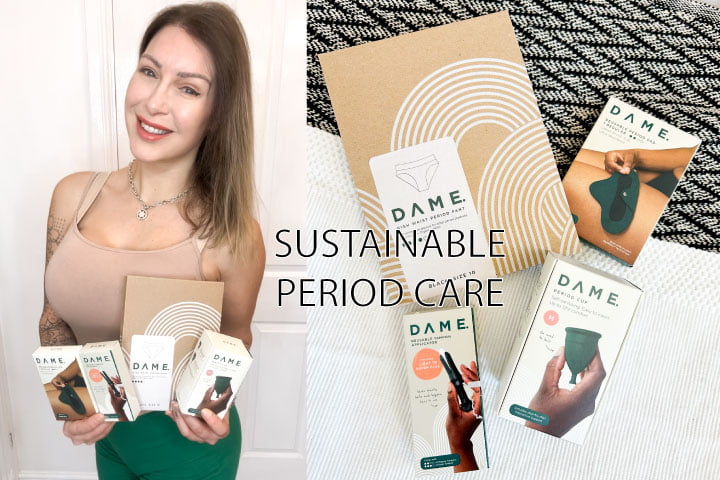
Choosing between menstrual cups and period underwear comes down to how you manage capacity, wear time, and cleaning routines. Both options support menstrual health by reducing waste, but they require different hygiene mechanics to stay safe and effective.
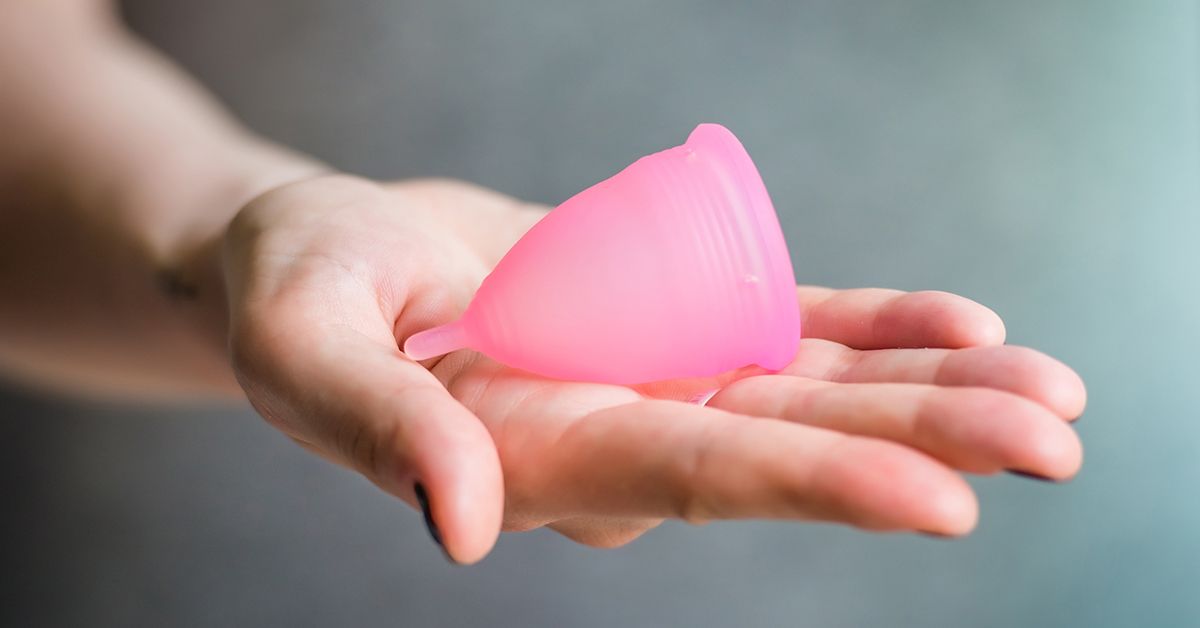
Menstrual cups collect fluid inside the vagina. Because they sit lower in the vaginal canal, they can hold significantly more volume than tampons or pads. A standard cup holds about 30 to 40 milliliters, allowing for up to 12 hours of wear. However, this long wear time requires strict cleaning protocols. You must rinse and sterilize the cup between cycles and wash your hands thoroughly before and after handling it to prevent bacterial introduction.
Period underwear absorbs fluid into layered fabric. These garments sit externally, similar to pads or liners. They typically hold 1 to 3 tampons worth of fluid, depending on the brand and absorbency level. Most users change them every 12 to 24 hours. The hygiene mechanic here is laundry-based; you rinse the garment after use and wash it in cold water to preserve the absorbent layers and prevent bacterial growth or odors.
The table below outlines the practical differences in daily maintenance and capacity.
| Feature | Menstrual Cup | Period Underwear |
|---|---|---|
| Capacity | 30–40 ml | 10–30 ml |
| Max Wear Time | Up to 12 hours | Up to 24 hours |
| Cleaning Method | Rinse, sterilize, hand wash | Rinse, machine wash |
| Insertion | Internal fold and insert | External wear |
| Hygiene Focus | Hand washing and sterilization | Laundry hygiene and drying |
The CDC notes that proper menstrual hygiene is essential to prevent infections and reduce odors during your period [1]. With cups, the risk of infection rises if the silicone is not sterilized correctly or if hands are not washed before handling. With period underwear, the risk lies in leaving soiled garments in a hamper for too long, which can encourage bacterial growth. Choose the method that fits your ability to maintain these specific cleaning routines consistently.
When period swimwear makes sense
Period swimwear functions as a leak barrier rather than a primary absorbent device. It uses a waterproof layer to keep fluids from soaking through your swimsuit, allowing you to swim with confidence. This design is distinct from period underwear worn on land, which relies on thick absorbent cores to manage flow.
The waterproof construction acts like a shield, not a sponge. Because the material blocks liquid from passing through, it prevents stains on your outerwear. However, it does not hold large volumes of blood. If you rely on swimwear alone for heavy flow days, you may experience leakage as the internal lining saturates.
For menstrual health and comfort, pair period swimwear with a secondary internal product. A menstrual cup or disc is the most effective combination because it captures flow internally while the swimwear catches any potential leaks. This two-layer approach ensures you stay protected without worrying about sudden gushes in the water.
Steps to use cups and reusable products safely
Choose the Best Menstrual Products for Your Health works best as a clear sequence: define the constraint, compare the realistic options, test the tradeoff, and choose the path with the fewest hidden costs. That order keeps the advice usable instead of decorative. After each step, pause long enough to check whether the recommendation still fits the reader's actual situation. If it depends on perfect timing, unusual access, or a best-case budget, include a simpler fallback.
Avoid these common hygiene mistakes
Menstrual hygiene is important for your health. It can help prevent infections, reduce odors, and keep you comfortable during your period, according to the CDC. Yet small habits can quickly compromise menstrual health if they are overlooked.
The most frequent error is leaving products in too long. Tampons must be changed every four to eight hours. Prolonged use increases the risk of toxic shock syndrome (TSS), a rare but serious condition. Pads should be swapped every three to four hours to keep the area dry and prevent bacterial growth. Never reuse a single product beyond its recommended window.
Improper cleaning is the second major pitfall. The vagina is self-cleaning; using douches or scented soaps disrupts its natural pH balance. This irritation can invite yeast infections or bacterial vaginosis. Stick to warm water and mild, unscented soap for the external vulva only. Never wash inside the vaginal canal.
Hand hygiene is equally critical. Always wash your hands with soap and water before and after changing any menstrual product. This simple step prevents transferring bacteria from your hands to the product or the vaginal area. Neglecting this routine is a direct path to infection.
Checklist for choosing your product
Selecting the right menstrual product comes down to matching your body’s needs with your daily routine. Menstrual health depends on comfort, safety, and hygiene, so there is no single best option for everyone. Use this checklist to narrow down the choice that fits your flow and activity level.
- Heavy flow: Consider menstrual cups or high-absorbency tampons for longer protection and less frequent changes.
- Light to moderate flow: Pads, liners, or period underwear offer comfort and discretion for everyday use.
- Active lifestyle: Tampons, cups, or period underwear prevent leakage during exercise and swimming.
- Sensitive skin: Opt for organic cotton pads or reusable period underwear to minimize irritation and chemical exposure.
- Budget-conscious: Period underwear and reusable cups have higher upfront costs but save money over time.
If you are unsure where to start, begin with the product that aligns most closely with your heaviest flow day. You can always adjust your choice as you learn more about your body’s patterns. For more information on menstrual hygiene best practices, refer to the CDC’s guidelines on healthy habits.
No comments yet. Be the first to share your thoughts!