

Defining menstrual health standards
Use this section to make the Menstrual Cups vs Period Underwear decision easier to compare in real life, not just on paper. Start with the reader's actual constraint, then separate must-have requirements from details that are merely nice to have. A practical choice should survive normal use, maintenance, timing, and budget. If a recommendation only works in an ideal situation, call that out plainly and give the reader a fallback path.
The simplest way to use this section is to write down the must-have criteria first, then compare each option against those criteria before weighing nice-to-have features.
Safety profiles and hygiene maintenance
Maintaining proper menstrual hygiene is a fundamental aspect of overall menstrual health. According to the Centers for Disease Control and Prevention (CDC), effective menstrual hygiene management is essential for preventing infections, reducing odors, and ensuring physical comfort during menstruation [[src-serp-3]]. While both menstrual cups and period underwear are viable options, they present distinct safety profiles and hygiene requirements that users must understand to minimize health risks.
Infection risks and internal vs. external use
The primary safety distinction lies in the location of the product relative to the body. Menstrual cups are internal devices made from medical-grade silicone, rubber, or latex. Because they reside inside the vagina, they carry a small but documented risk of Toxic Shock Syndrome (TSS), a rare but serious bacterial infection associated with prolonged use of absorbent or barrier products. The CDC notes that while TSS is rare, it is linked to the use of internal menstrual products, particularly if left in place for extended periods [[src-serp-3]]. Users must strictly adhere to time limits, typically removing and cleaning the cup every 12 hours.
Period underwear, by contrast, is an external absorbent product. Because it does not enter the body, it eliminates the risk of TSS entirely. The primary hygiene concern with period underwear is moisture management. If the absorbent layers remain saturated for too long, the warm, moist environment can promote the growth of bacteria or yeast on the skin, potentially leading to irritation or urinary tract infections. However, this risk is generally considered lower and more manageable than the systemic risks associated with internal devices, provided the underwear is changed regularly.
Cleaning and maintenance protocols
Hygiene maintenance differs significantly between the two methods. Menstrual cups require a rigorous cleaning routine. Users must empty, rinse, and sterilize the cup between cycles, often by boiling it. Improper cleaning can leave residue that increases infection risk. Period underwear requires laundering after each use. While this may seem labor-intensive, it involves no internal handling, reducing the potential for introducing bacteria into the vaginal canal. The CDC emphasizes that regular washing and drying of menstrual products are critical components of menstrual hygiene management [[src-serp-3]].
Comparison of safety and hygiene factors
The following table compares the key safety and hygiene aspects of menstrual cups and period underwear.
| Feature | Menstrual Cups | Period Underwear |
|---|---|---|
| Infection Risk | Low risk of TSS if used correctly; requires strict time limits. | No risk of TSS; risk of skin irritation if saturated. |
| Placement | Internal (vaginal) | External (worn like regular underwear) |
| Cleaning Method | Rinse, wash, and boil between cycles. | Machine wash and dry after each use. |
| Hygiene Maintenance | Requires frequent emptying and cleaning during wear. | Requires regular changing and laundering. |
Performance during physical activity
Exercise introduces variables—sweat, friction, and rapid movement—that test the reliability of any menstrual product. For active individuals, maintaining menstrual health requires balancing secure containment with skin integrity. The CDC notes that proper menstrual hygiene is essential to prevent infections and reduce odors, a concern that intensifies during prolonged physical exertion (CDC).
Menstrual cups
Menstrual cups offer a secure, leak-proof barrier because they create a suction seal against the vaginal walls. This design keeps blood contained within the body, eliminating the risk of leakage onto workout gear. The silicone material is non-porous and resistant to odor-causing bacteria, which is advantageous during high-intensity sessions. However, the suction can sometimes make removal difficult if the user is not accustomed to the mechanism, particularly in public restroom settings where time is limited.
Period underwear
Period underwear relies on absorbent layers to capture flow. While modern designs are highly effective for light to moderate flow, they can become saturated during vigorous activity or heavy days. Sweat from exercise can compromise the absorbency of the fabric layers, potentially leading to leaks if the underwear is not changed frequently. The added bulk can also cause chafing or discomfort during activities like running or cycling.

Long-term health and maintenance
Use this section to make the Menstrual Cups vs Period Underwear decision easier to compare in real life, not just on paper. Start with the reader's actual constraint, then separate must-have requirements from details that are merely nice to have. A practical choice should survive normal use, maintenance, timing, and budget. If a recommendation only works in an ideal situation, call that out plainly and give the reader a fallback path.
The simplest way to use this section is to write down the must-have criteria first, then compare each option against those criteria before weighing nice-to-have features.
Choosing based on flow, activity, and hygiene
Selecting the right menstrual product requires aligning the device with your specific physiological needs and daily routine. The Centers for Disease Control and Prevention (CDC) emphasizes that proper menstrual hygiene is essential for preventing infections and maintaining comfort during menstruation. This decision framework evaluates three primary variables: volume, physical activity, and personal hygiene preferences.
Menstrual cups are designed to collect fluid, making them suitable for light to heavy flows without frequent changes. Period underwear absorbs fluid, which limits capacity; they are best for light to moderate days or used as backup protection. If your flow is consistently heavy, a cup may offer longer wear times, reducing the need for mid-day changes.
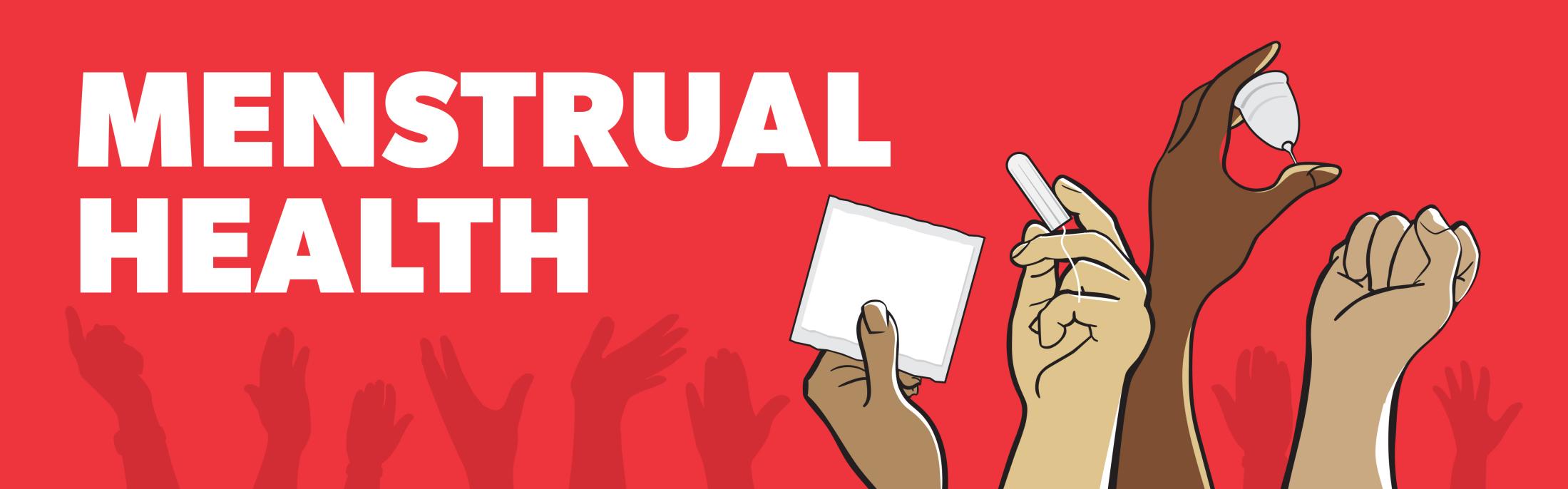
High-impact activities like running or swimming require secure, leak-resistant protection. Menstrual cups stay in place once inserted, offering freedom of movement during exercise. Period underwear can shift or feel bulky during intense physical activity. For swimming, both options work, but cups are often preferred for their discreet nature and lack of absorbent bulk in water.

Hygiene preferences dictate maintenance effort. Cups require removal, rinsing, and sterilization between cycles, demanding access to clean water and privacy. Period underwear requires laundering after each use, similar to regular clothing. If you prioritize convenience and minimal daily maintenance, period underwear reduces the friction of product management. If you prefer fewer disposable items and don’t mind washing, cups offer a sustainable alternative.
To finalize your choice, use this actionable checklist to match your current cycle phase with the appropriate product:
- Light Flow Days: Period underwear is ideal for comfort and overnight protection.
- Heavy Flow Days: Menstrual cups provide higher capacity and longer wear times.
- Active Days: Cups offer secure fit during high-impact sports; underwear works for low-impact activities.
- Travel or Limited Access: Period underwear eliminates the need for water access for rinsing.
- Sustainability Focus: Both options reduce waste, but cups have a lower long-term material footprint.
Prioritizing menstrual health means choosing a method that minimizes infection risk and maximizes comfort. Consult healthcare providers if you experience unusual symptoms or difficulty with product insertion and removal.
Common questions about menstrual hygiene
Understanding menstrual health requires looking beyond product choice to the physical signals your body sends. According to the World Health Organization, menstrual health is a state of complete physical, mental, and social well-being, not merely the absence of disease or infirmity [src-serp-1]. The Centers for Disease Control and Prevention (CDC) notes that proper hygiene practices are essential for preventing infections and maintaining comfort during your cycle [src-serp-3].
Below are direct answers to frequent questions regarding menstrual health definitions, cycle monitoring, and health indicators.
No comments yet. Be the first to share your thoughts!