

Pack the right period swimwear
Choosing period swimwear for travel is less about finding a single "best" suit and more about matching absorbency to your specific flow and itinerary. Overpacking for a light day trip wastes luggage space, while underestimating a heavy flow on a remote beach can turn a vacation into a stressful ordeal. Treat your period swimwear like any other essential gear: select it based on the conditions you will actually face.
Match absorbency to your flow
Your period swimwear should handle your heaviest day, not your lightest. Most brands rate their suits by tampon equivalent, ranging from light (1-2 tampons) to heavy (up to 9 tampons). If you have a heavy flow, look for one-piece suits or bikinis with reinforced, multi-layer absorbent cores. These designs often cover more surface area, providing extra security against leaks when you are moving or swimming. For lighter flows, a standard bikini or brief-style suit with moderate absorption is usually sufficient and offers more freedom of movement.
Align style with your activities
The type of swimwear you pack should reflect your planned activities. If your trip involves snorkeling, surfing, or long hours in the water, a one-piece suit or a secure bikini bottom with a tie-side is safer than a loose tankini. These styles stay in place and minimize the risk of shifting, which could expose absorbent layers. For resort-style days involving lounging, light walking, or poolside relaxation, a standard bikini or swim brief offers comfort and ease of changing. Consider the climate as well; darker colors can help mask any potential minor leaks, while lighter fabrics may show moisture more easily.
Prioritize fit and fabric
Period swimwear often has a thicker, layered construction compared to regular swimwear, which can affect fit. Ensure the suit fits snugly but comfortably, as loose fabric can bunch up and create discomfort when wet. Look for suits made from quick-drying, chlorine-resistant fabrics if you plan to swim frequently. A proper fit ensures the absorbent layers lie flat against your body, maximizing their effectiveness. If you are unsure about sizing, check the brand’s specific fit guide, as period swimwear can run differently than your regular swimwear.
Layer with backup protection
Treat period swimwear as your primary layer, not your only defense. While modern absorbent tech handles light to moderate flow well, heavy days or unexpected surges can overwhelm even the best suits. Having a backup plan gives you the confidence to jump in the pool or take a long flight without constant anxiety.
Pack a spare pair of period-proof underwear or pads in your day bag. This small addition acts like a spare tire: you hope you never need it, but it saves you from being stranded if the primary layer fails. Most travelers find that pairing swimwear with backup protection allows them to stay comfortable for hours, even during peak flow.
This strategy is especially important for travel. You might be hours away from a store or laundry facility. By layering, you ensure that a leak doesn't ruin your vacation or force an awkward exit from a social event. It’s about control and peace of mind, letting you focus on the sand and sun instead of the clock.
Manage cramps in warm climates
Heat changes how your body handles pain. High temperatures cause blood vessels to dilate, which can increase pelvic congestion and make cramping feel more intense. When you combine that with the physical exertion of travel—walking through airports, hiking, or navigating unfamiliar streets—your comfort levels can drop quickly. Managing this requires a proactive approach to hydration and movement, not just waiting for pain to strike.
Start with hydration, but choose the right fluids. Water is essential, but it works best when paired with electrolytes. Sweating in the heat depletes sodium and potassium, minerals that help regulate muscle contractions. Low electrolyte levels can lead to more severe muscle spasms, including those in your uterus. Instead of relying solely on plain water, carry electrolyte packets or choose natural sources like coconut water. This helps maintain the fluid balance needed to keep muscles relaxed and reduces the risk of dehydration-induced headaches that often accompany period pain.
Movement is a double-edged sword. While high-intensity exercise might be uncomfortable during a heavy flow, gentle movement can actually relieve cramps. Walking stimulates blood flow and releases endorphins, your body’s natural painkillers. On travel days, opt for slow, steady pacing rather than rushing. If you’re sitting for long periods, such as on a plane or train, set a timer to stand and stretch every hour. Simple hip circles or gentle torso twists can help release tension in the lower back and pelvic floor, preventing stiffness from setting in.
Consider your period swimwear as part of the comfort equation. The absorbent layers in period swimwear provide a secure barrier, reducing the anxiety of leaks that can heighten stress and perceived pain. When you feel confident in your protection, your body relaxes more easily. Pair this with a lightweight, breathable fabric that wicks away sweat. Keeping your skin dry prevents irritation and chafing, which can compound the discomfort of cramps in humid environments.
Finally, use heat strategically. While you’re in the water, the cool temperature might numb pain temporarily, but getting out into the sun can bring the cramps back. Keep a small, reusable heat patch or a warm towel in your bag. Applying gentle heat to your lower abdomen for 15-20 minutes can relax the uterine muscles and improve blood flow to the area. This simple intervention, combined with steady hydration and mindful movement, can keep you comfortable and focused on your trip, not your period.
Handle leaks and stains on the go
Even with the best period swimwear, travel plans can derail quickly if a leak happens. Instead of panicking, follow a discreet cleanup routine to manage the situation without drawing attention. The goal is to contain the mess, clean the stain, and move on with your day.
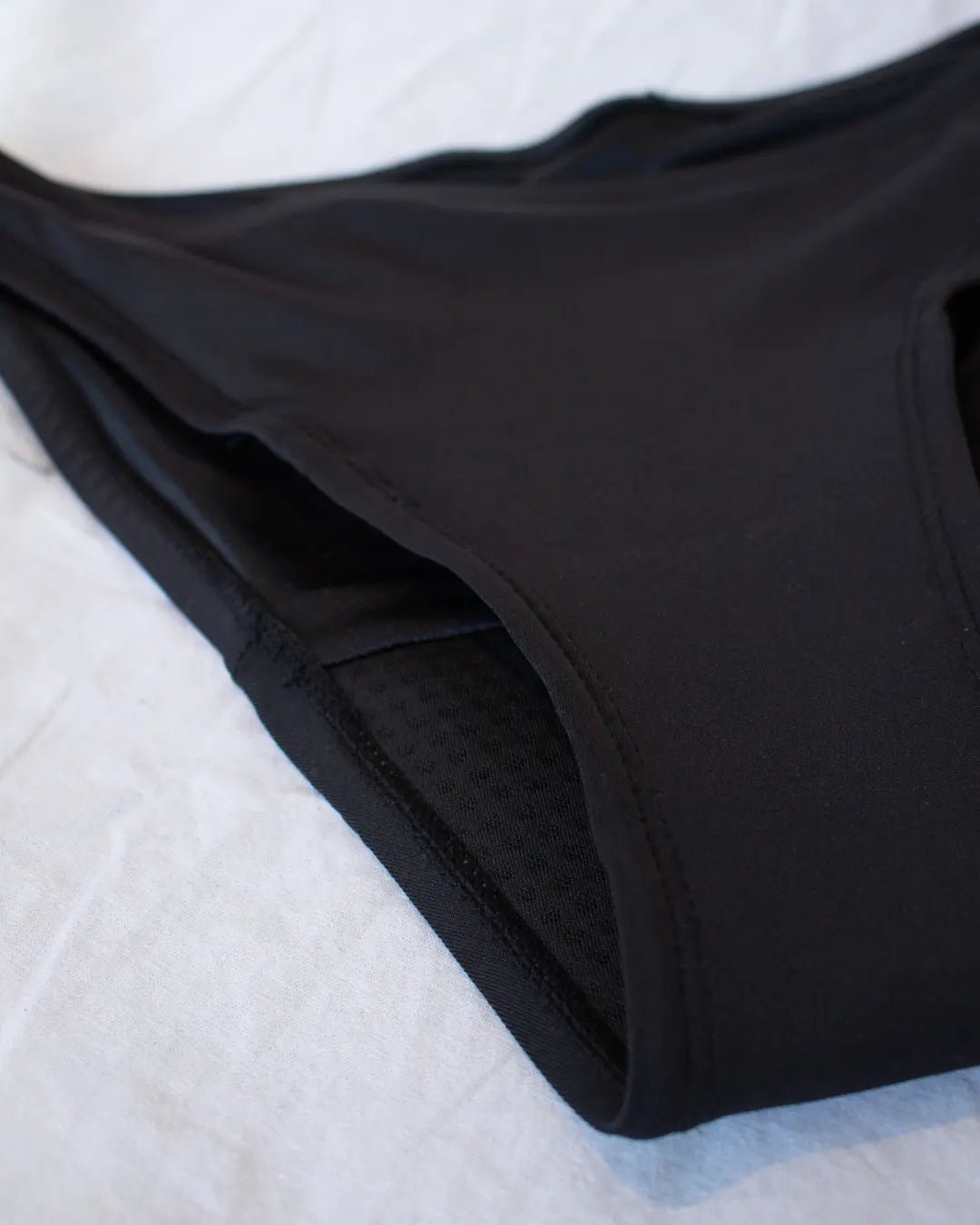
If you notice a leak while still in the water, exit the pool or ocean immediately. Dry off thoroughly with a towel, focusing on the waistband and inner thighs. This prevents the wet fabric from transferring blood to your outer clothes or hotel sheets.
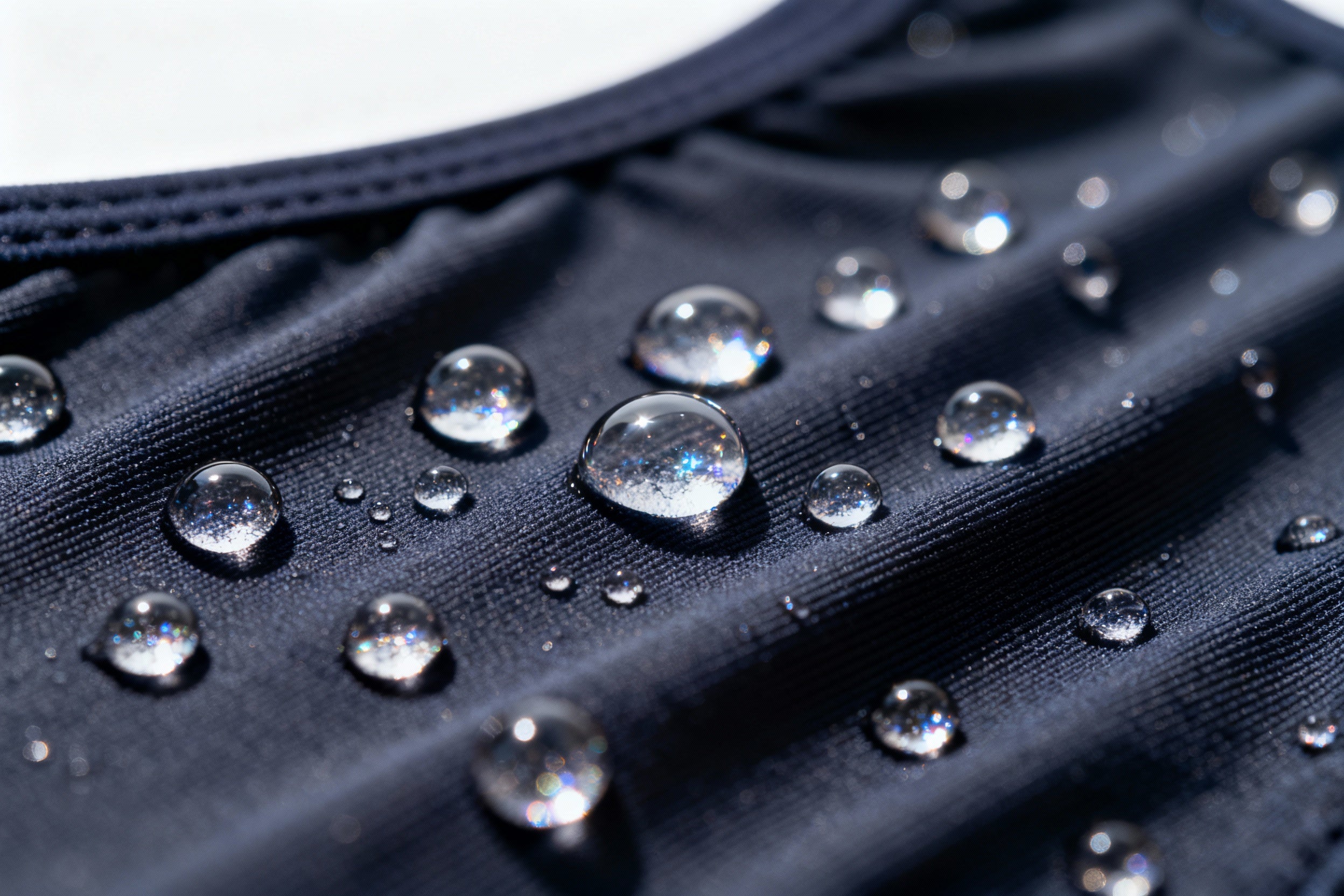
Head to a private restroom to change. Remove the wet period swimwear and wrap it in a plastic disposal bag or a waterproof wet bag if you have one. Put on dry underwear and loose, dark-colored pants or a skirt to hide any potential dampness while you assess the damage.
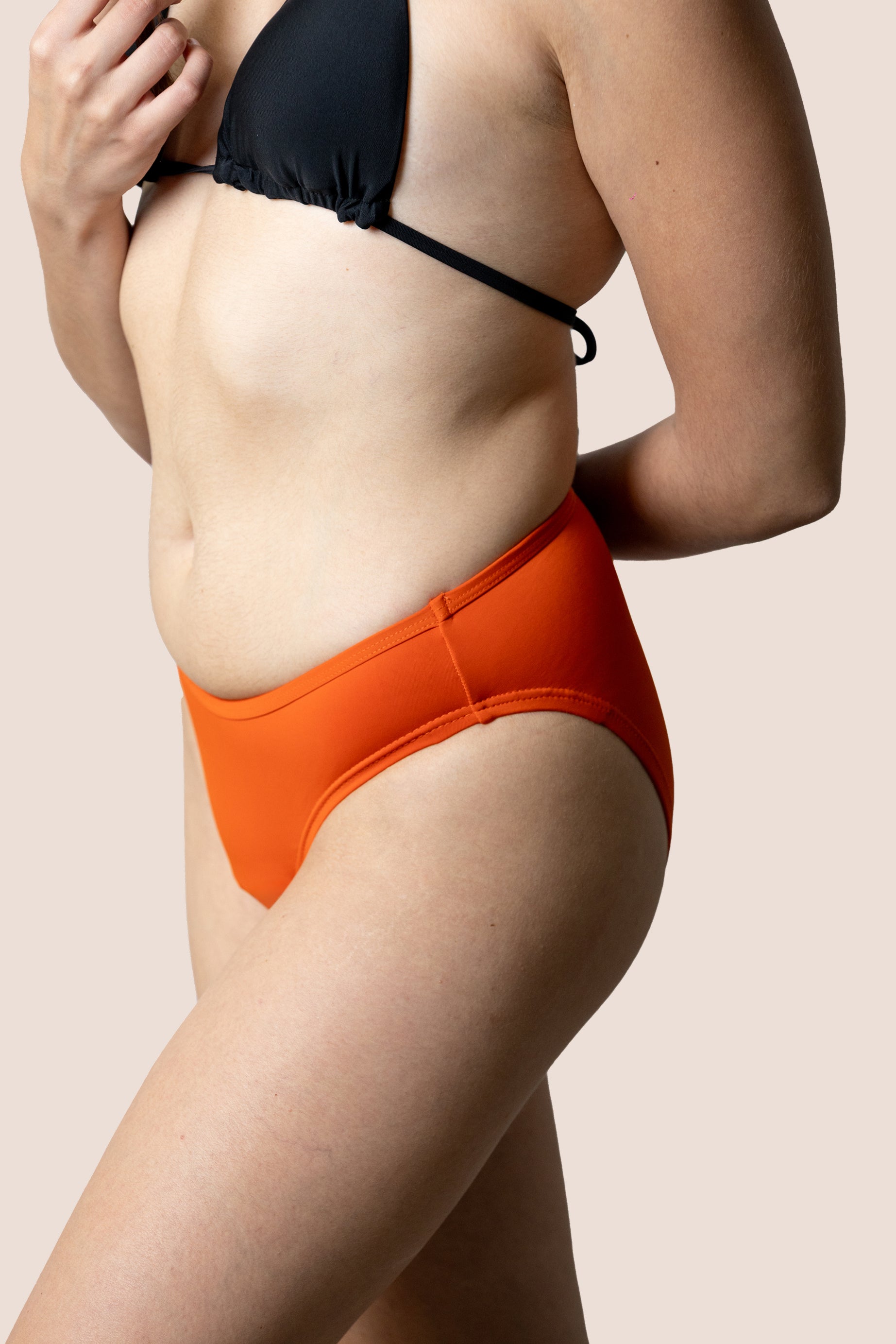
If your period swimwear has visible blood, treat it before packing it away. Use a travel stain remover pen or a few drops of cold water on the stained area. Gently dab (do not rub) the fabric to lift the blood. Rubbing can set the protein-based stain into the fabric, making it permanent.
Always use cold water for blood stains. Hot water will cook the protein into the fibers, making the stain nearly impossible to remove later.
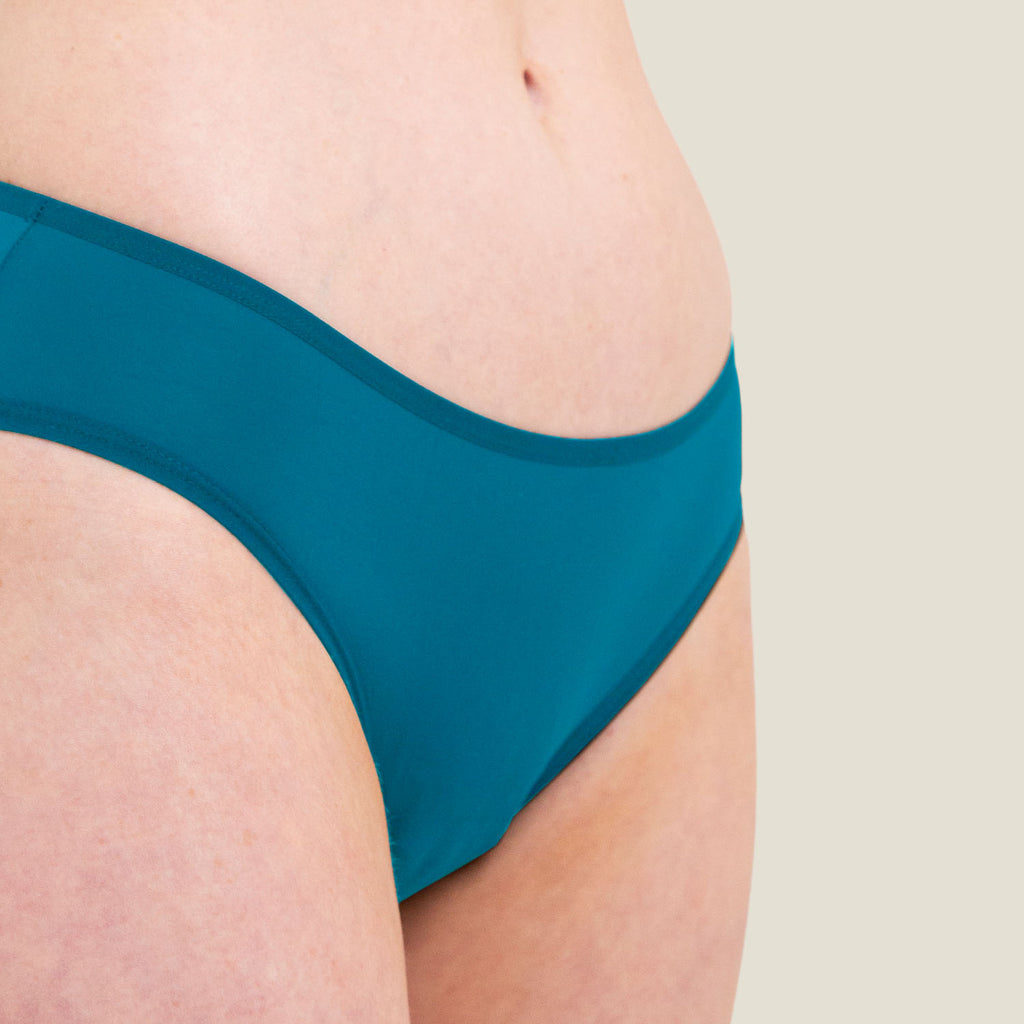
Place the treated period swimwear in your wet bag to keep it separate from clean clothes. Once you return to your accommodation, hand-wash the garment in cold water with a mild detergent. Let it air dry away from direct sunlight to preserve the absorbent layers.
Frequently asked questions about period swimwear
Traveling with your period often brings anxiety about leaks, visibility, and hygiene. Period swimwear is designed to address these specific concerns, but understanding its limits ensures you stay confident and comfortable throughout your trip.
Does period swimwear show through?
High-quality period swimwear is engineered to be opaque even when saturated. The multiple absorbent layers are typically dark-colored or patterned to mask any potential discoloration, ensuring you don’t have to worry about visible stains while swimming or lounging by the pool. Most brands test their fabrics to maintain opacity under normal usage conditions, so you can focus on your vacation rather than your coverage.
Can I swim with period swimwear?
Yes, period swimwear is specifically designed for aquatic activities. Unlike regular pads or tampons, which can become ineffective or uncomfortable when wet, these suits use absorbent technology that works effectively in water. The fabric absorbs menstrual flow while repelling external water, keeping you dry and secure. You can swim, snorkel, or splash around without the bulk or discomfort of traditional menstrual products.
Does period swimwear cause odor?
Period swimwear is made from antimicrobial fabrics that inhibit the growth of bacteria responsible for unpleasant odors. This feature is particularly useful during travel when access to laundry facilities might be limited. While the suit manages odor effectively during wear, it is important to rinse the suit in cold water after use to maintain hygiene and extend the lifespan of the absorbent layers.
How much flow can period swimwear handle?
Most period swimwear is designed to handle light to moderate flow, typically equivalent to one or two tampons. If you experience a heavier flow, you can wear period swimwear as a backup to a menstrual cup or disc, which provides additional security. This combination approach allows for greater freedom and peace of mind, especially during long days of travel or activities where changing might be inconvenient.
Can I wear period swimwear for more than four hours?
For hygiene and effectiveness, it is recommended to change period swimwear every four to six hours, similar to changing a pad or tampon. While the suit can hold a significant amount of fluid, leaving it on for too long can increase the risk of irritation or infection. Plan your day with bathroom breaks in mind to ensure you stay fresh and protected throughout your travels.
No comments yet. Be the first to share your thoughts!