
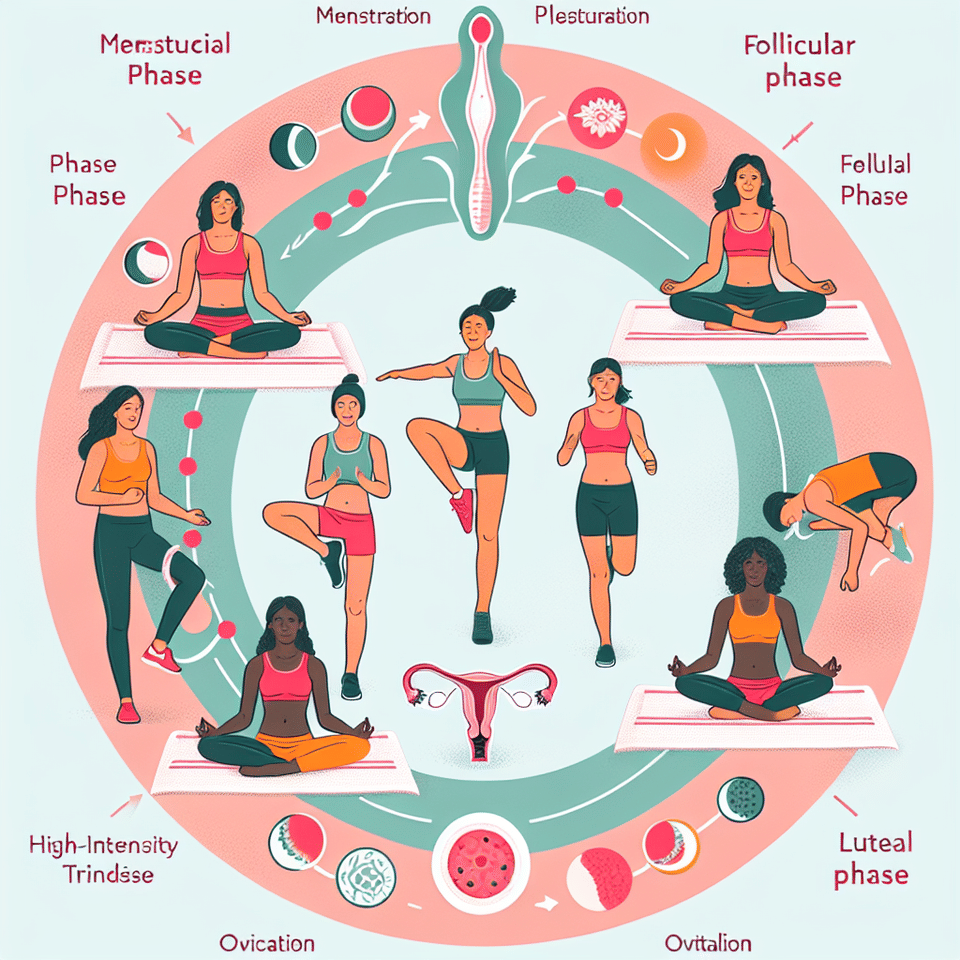

Understanding the ebb and flow of your menstrual cycle can be a powerful tool in optimizing your fitness routine. Cycle syncing is not just a trend; it's about aligning your exercise regimen with the hormonal fluctuations of your menstrual phases. This approach can enhance your workouts, boost energy levels, and even reduce the risk of injury. As you navigate through each phase of your cycle, from menstruation to the luteal phase, tailoring your exercise accordingly can lead to more effective and enjoyable workouts.
Menstrual Phase: Gentle Movements and Restorative Practices
The menstrual phase marks the start of your cycle when bleeding occurs. It's a time when many experience fatigue, cramps, and a general feeling of wanting to slow down. Honor your body during this period by engaging in gentle movements that encourage circulation without overexertion. Yoga and light stretching are excellent choices as they help to alleviate cramps and maintain flexibility.
Listening to your body is paramount; if you feel up for more, consider a short walk or other low-impact activities. Remember that this is a time for rest and recovery, so don't push yourself too hard.
Gentle Menstrual Workouts
- Yoga - Gentle flows focusing on breath and movement to alleviate cramps.
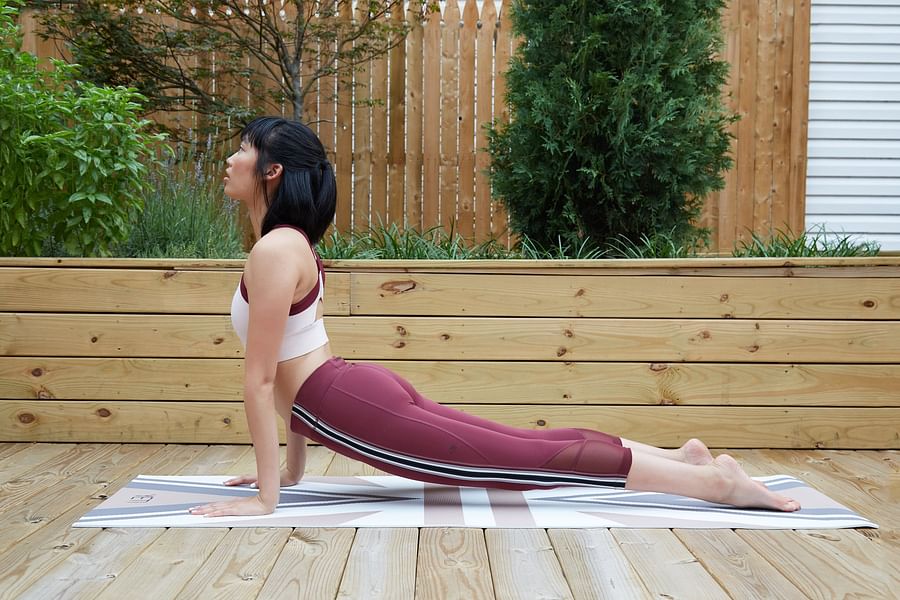
- Walking - A peaceful walk in nature to maintain activity without overexertion.

- Pilates - Low-impact core exercises to support pelvic health.
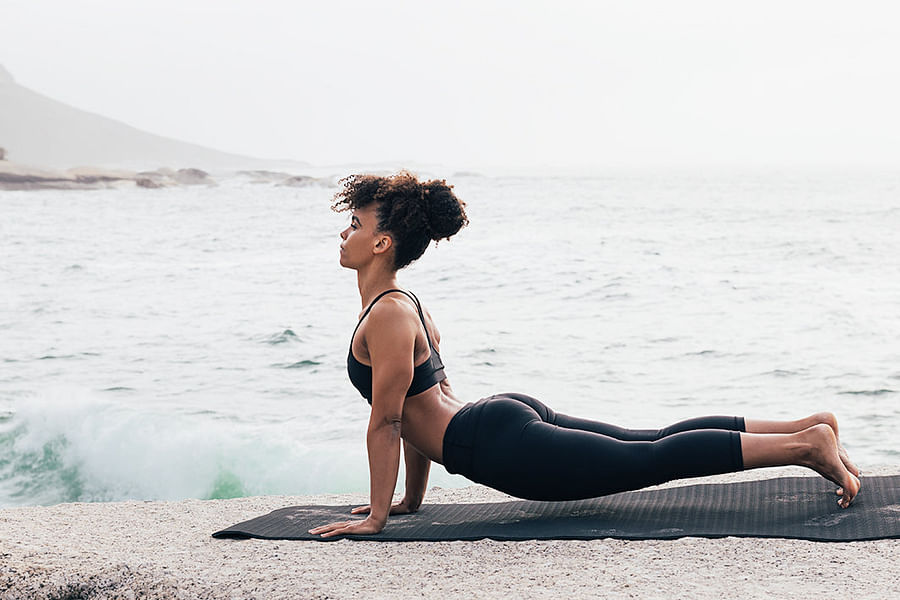
- Stretching - Full-body stretches to relieve muscle tension and promote relaxation.
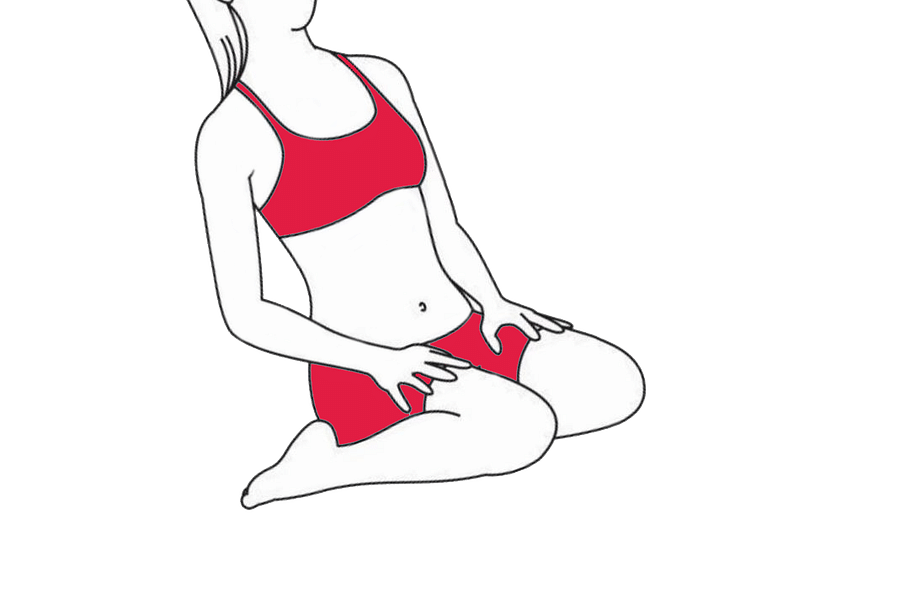
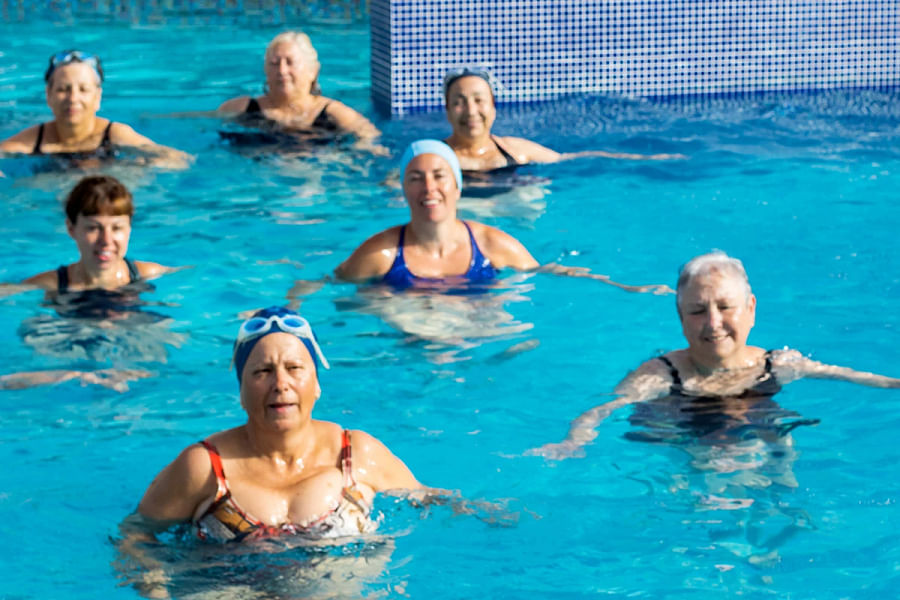
- Aquatic Exercises - Gentle water aerobics or swimming to reduce strain on the body.
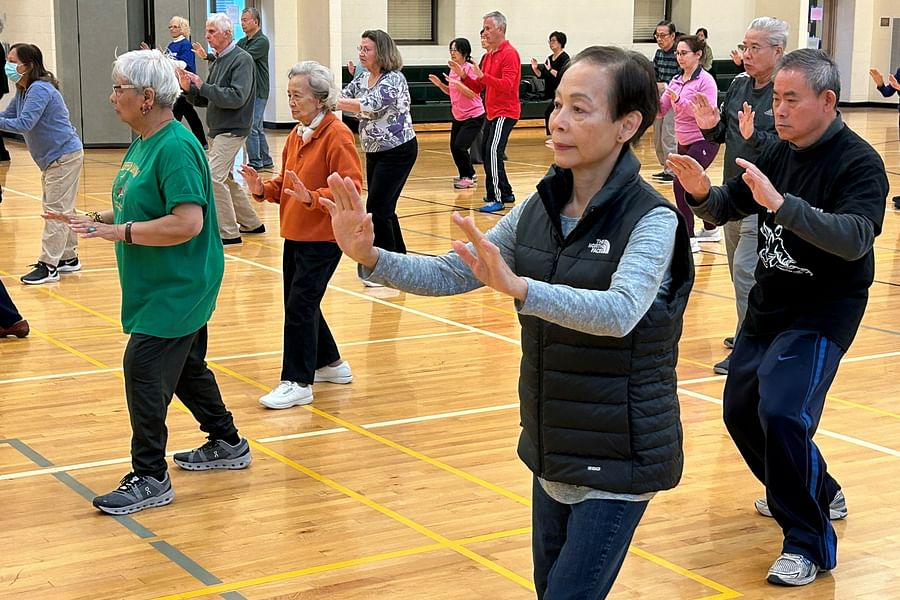
- Tai Chi - Slow, meditative movements to balance energy and soothe the mind.
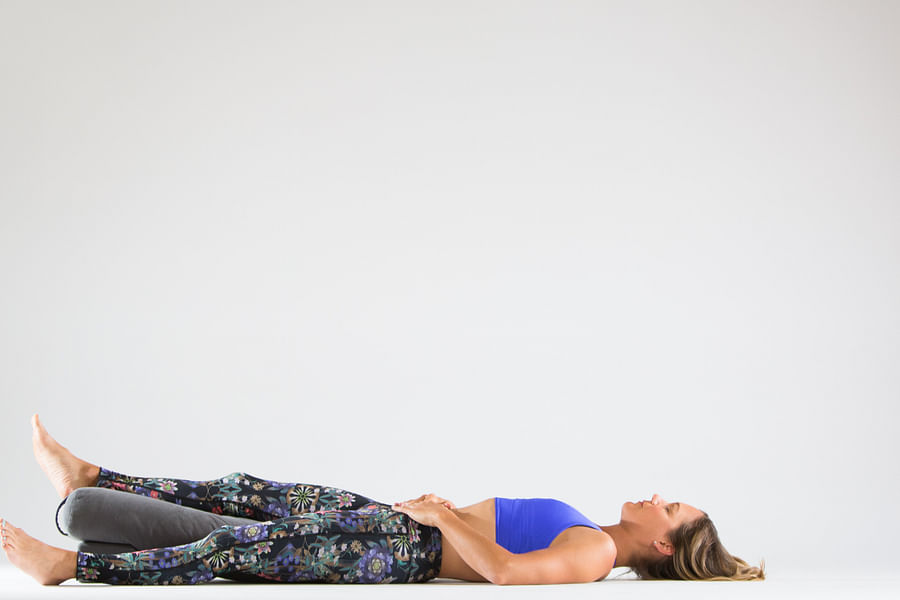
- Restorative Yoga - Poses held for longer periods to deeply relax and restore the body.
Follicular Phase: Building Momentum with Cardio and Strength Training
As you move into the follicular phase, estrogen levels begin to rise, often bringing a surge of energy with them. This is an opportune time to incorporate more dynamic workouts such as moderate cardio or strength training. The increase in endurance during this phase makes it perfect for trying out new routines or pushing yourself a little harder in the gym.
Follicular Phase Exercise Quiz
Test your knowledge on the best exercise practices during the follicular phase of your menstrual cycle!
Whether it's hitting the pavement for a jog or engaging in a HIIT session, make sure to capitalize on this newfound vigor. But as always, it's crucial to stay attuned to how your body responds and adjust accordingly.
Track Your Cycle-Adapted Workouts with Precision: Best Fitness Trackers
Ovulatory Phase: Peak Performance and High-Energy Activities
The ovulatory phase is often characterized by peak physical performance thanks to the high levels of estrogen and testosterone. You might find yourself more socially inclined and competitive during this time—perfect for group sports or challenging workouts that you might have been building up to.
What's Your Go-To Ovulatory Phase High-Energy Workout?
During the ovulatory phase, energy levels peak! Which activity makes you feel unstoppable?
This is also an excellent time for personal bests or increasing weights in strength training sessions. If you're into dance or aerobic classes, now is when you could shine brightest! However, be mindful not just of energy levels but also joint health as some may experience increased laxity due to hormonal changes.
Optimal Workouts for Each Menstrual Phase
| Menstrual Phase | Duration | Recommended Exercise | Intensity Level |
|---|---|---|---|
| Menstrual Phase (🩸) | Days 1-5 | Gentle Yoga, Walking, Light Stretching | Low |
| Follicular Phase (🌱) | Days 6-14 | Strength Training, High-Intensity Interval Training (HIIT), Cardio | Moderate to High |
| Ovulatory Phase (🌸) | Days 15-17 | Group Fitness Classes, Dance, Sprinting | High |
| Luteal Phase (🌔) | Days 18-28 | Pilates, Steady-State Cardio, Resistance Training | Moderate |
Incorporating these tailored workouts into each stage of your menstrual cycle can not only improve physical performance but also enhance overall well-being. By understanding the four stages of your menstrual cycle and their impact on energy levels, you can create an exercise plan that works in harmony with your body's natural rhythm.
To further explore how different phases affect our bodies and how we might adjust our exercise regimen accordingly, visit our guide on enhancing your full moon menstruation experience. And if you're curious about how lunar cycles might influence us too, take a peek at how the moon affects menstrual cycles. For those eager to delve deeper into their personal health journey, our quizzes on testing knowledge on menstrual cycles, understanding follicular phases, or even discovering how well-aligned you are with menstrual and lunar cycles offer engaging ways to learn more about yourself.
Ovulatory Phase: Embrace High-Energy Workouts
As you transition into the ovulatory phase, your energy levels are at their peak. This is the time to harness that energy for high-intensity interval training (HIIT) or challenging cardio sessions. Your body's increased endurance and pain tolerance during this phase make it ideal for pushing your limits. Activities such as sprinting, spinning, or a dynamic Zumba class can be incredibly fulfilling.
Ovulatory Power Workouts
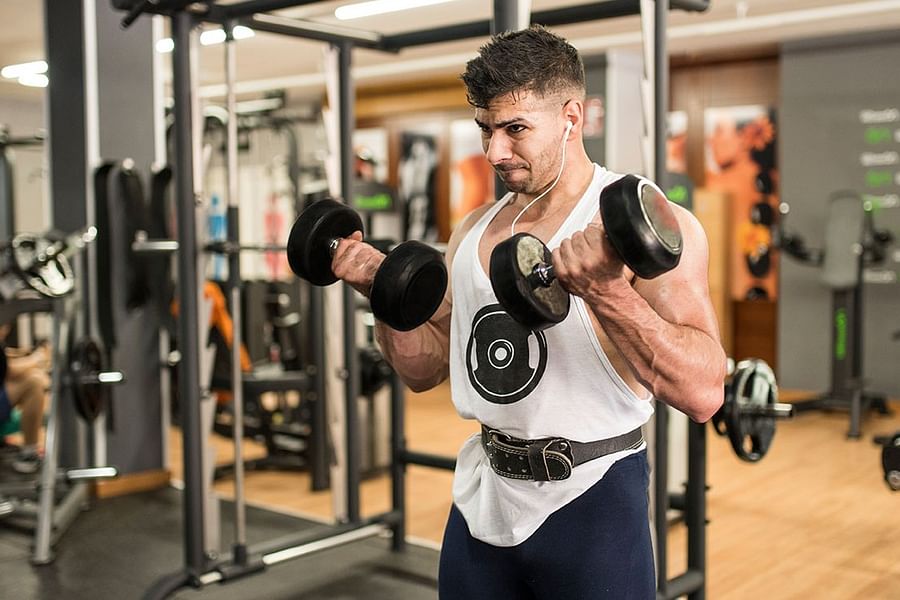
- HIIT Circuits - Engage in high-intensity interval training to boost your metabolism and improve aerobic capacity.
- Spin Classes - Take on challenging cycling sessions that will elevate your heart rate and build lower body strength.
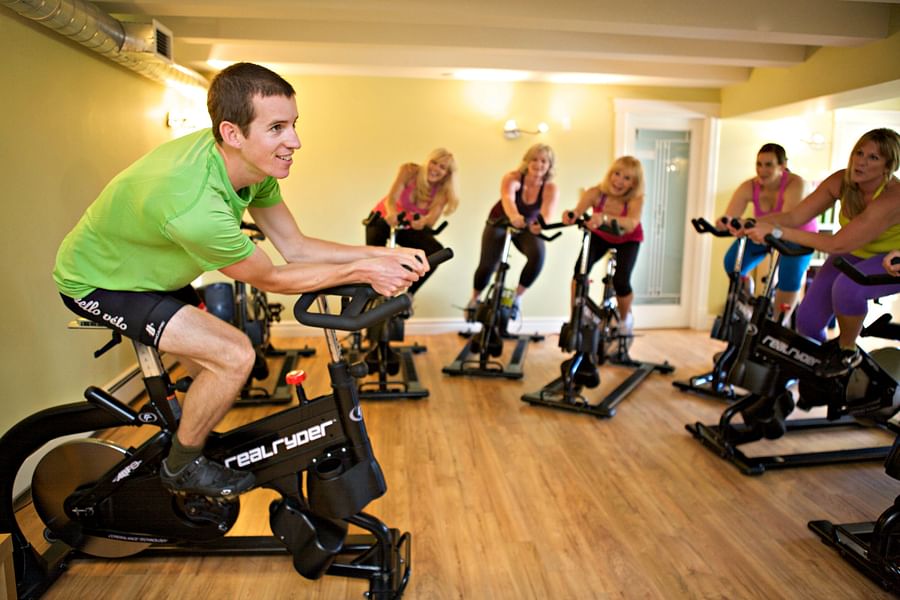
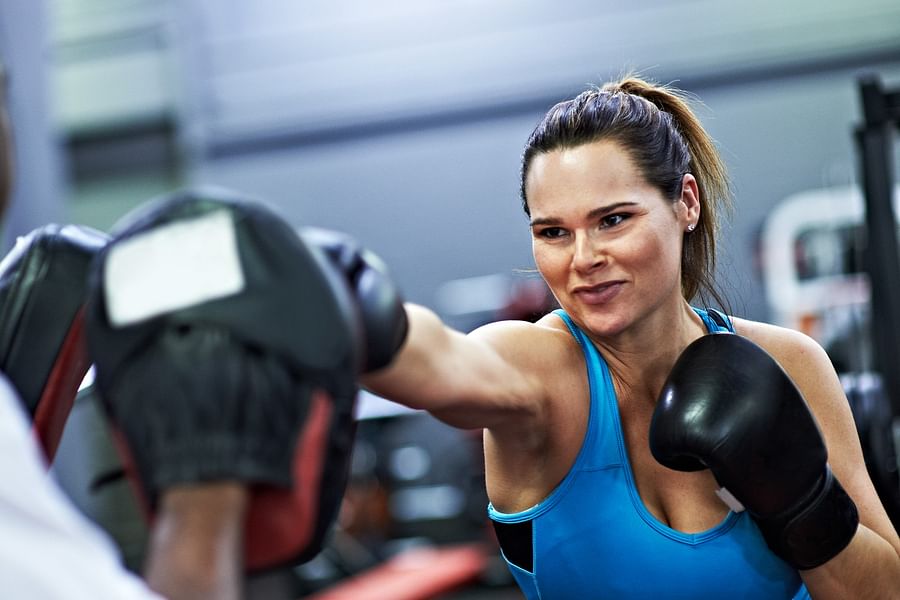
- Boxing - Embrace the intensity of a boxing workout for full-body conditioning and stress relief.
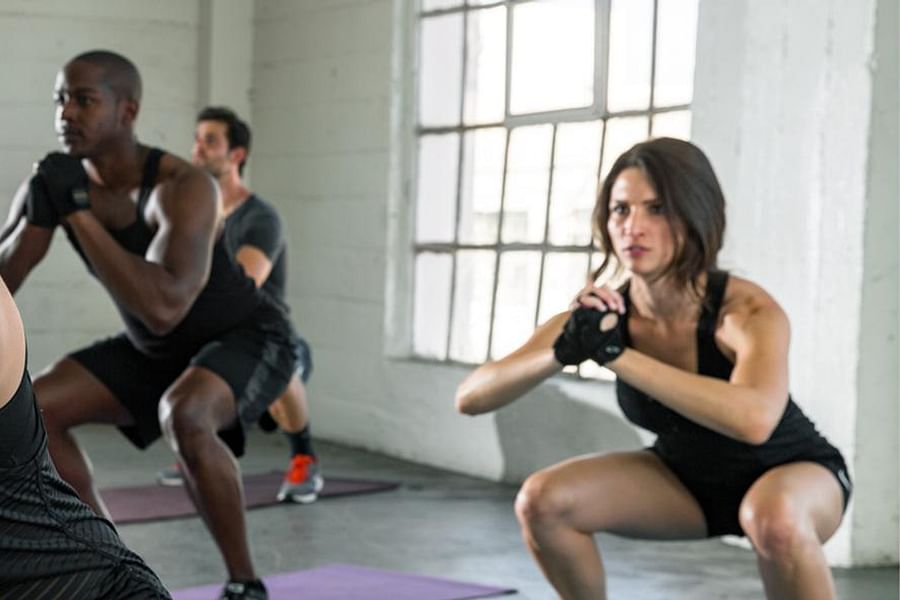
- Boot Camp - Participate in a military-style boot camp class for a rigorous and diverse exercise routine.
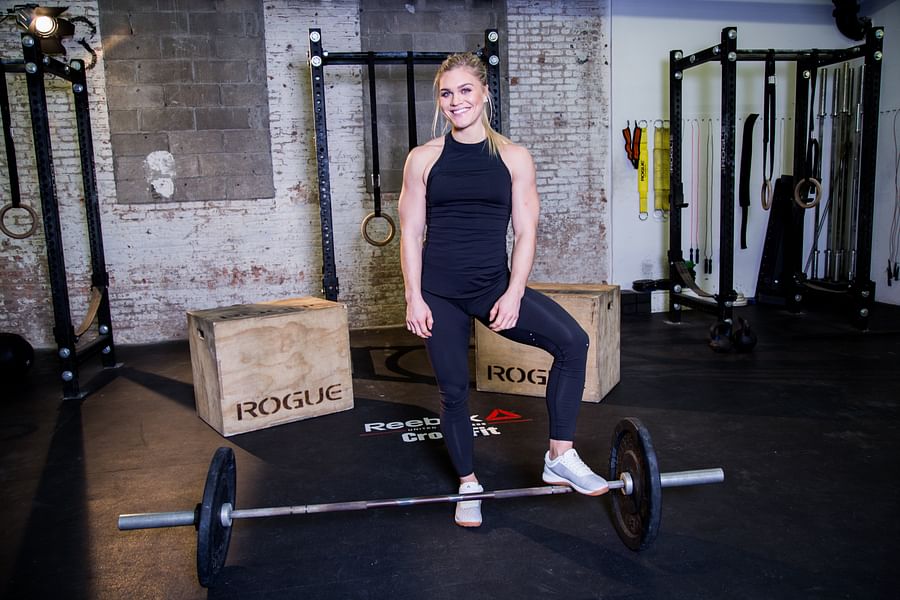
- CrossFit - Challenge yourself with a CrossFit session to improve functional strength and endurance.
- Power Yoga - Integrate strength and flexibility with an invigorating power yoga class.
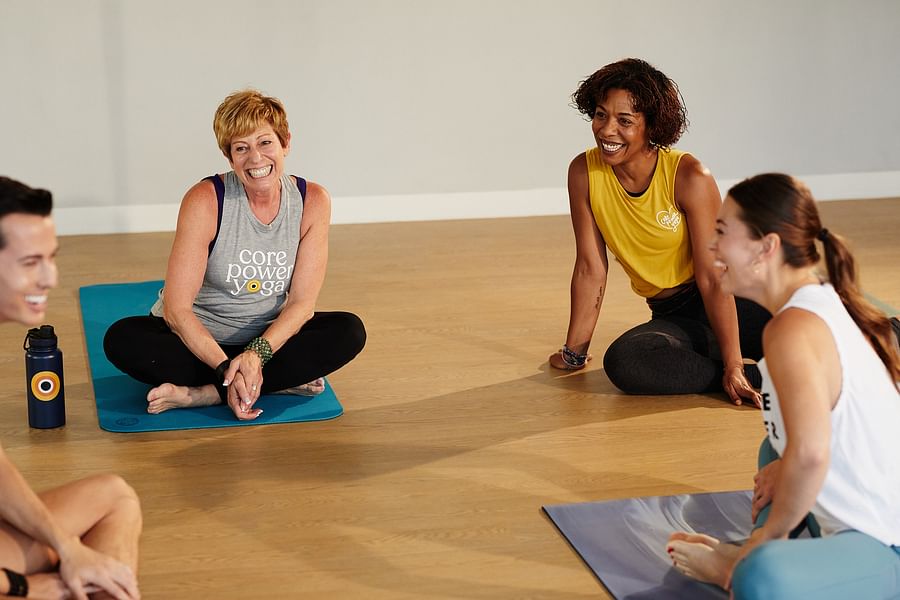
- Running Intervals - Hit the track for sprint intervals to enhance speed and cardiovascular fitness.

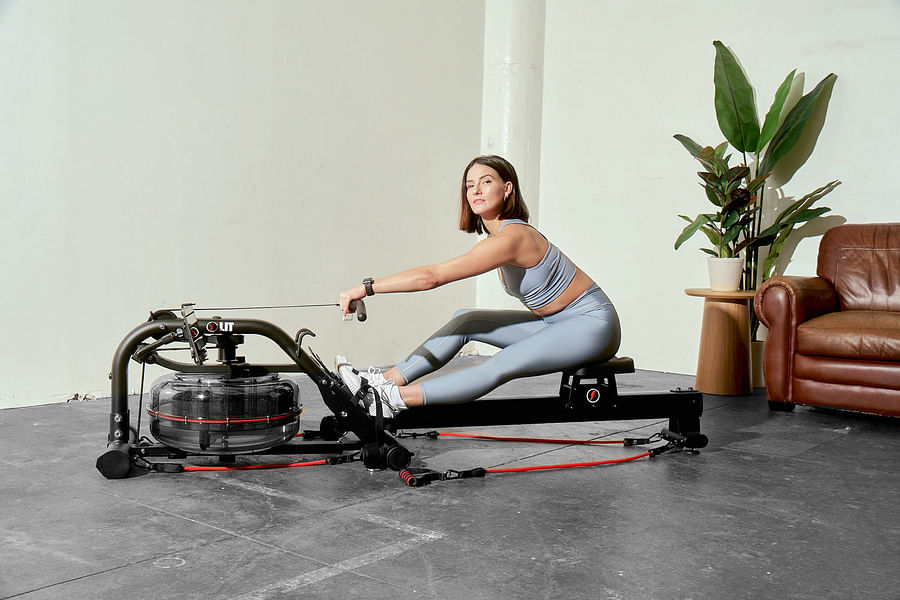
- Rowing - Engage in a high-energy rowing workout to work the entire body and boost endurance.
Remember to listen to your body and not overexert yourself. While it's a time of heightened physical capabilities, it's also crucial to maintain a balance to prevent any injuries.
Luteal Phase: Focus on Moderate Exercises
The luteal phase can come with its own set of challenges, including premenstrual syndrome (PMS) for many. It's a time when you might experience bloating, fatigue, and mood swings. To combat these symptoms and maintain your fitness routine, switch to moderate exercises like Pilates, yoga, or light strength training. These workouts can help alleviate stress and provide a sense of calm during a potentially turbulent time.
What's Your Go-To Moderate Exercise During the Luteal Phase?
During the luteal phase, it's recommended to engage in moderate exercises. Which one of these do you prefer to keep your energy balanced and your mood lifted?
Engaging in steady-state cardio like jogging or swimming at a consistent pace can also be beneficial during this phase. The repetitive nature of these activities is meditative and can help in managing stress levels.
Menstrual Phase: Gentle Movement and Restorative Practices
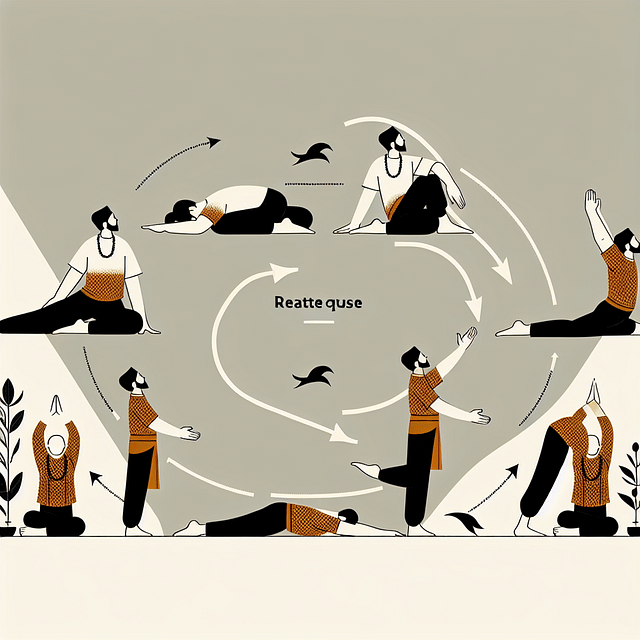
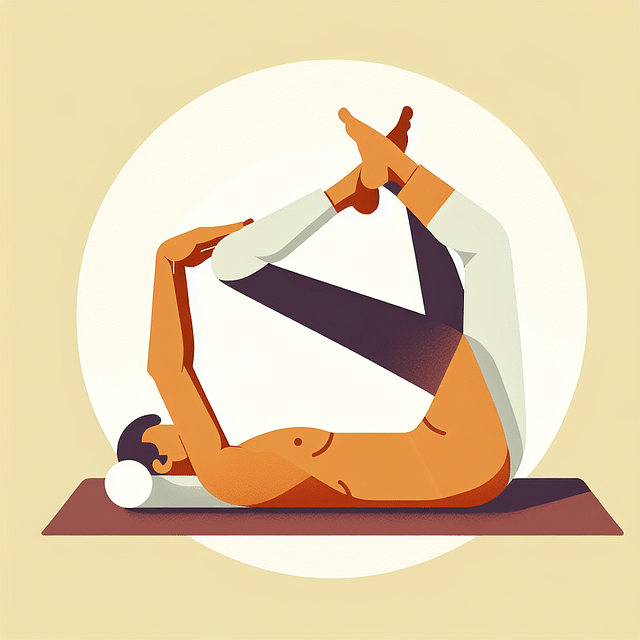
During menstruation, your body is going through an intense process of renewal. It's essential to honor this by engaging in gentle movement and restorative practices. This might include activities like walking, stretching, or restorative yoga which focus on relaxation and aiding circulation without putting too much strain on the body.
Gentle Yoga for Menstrual Comfort


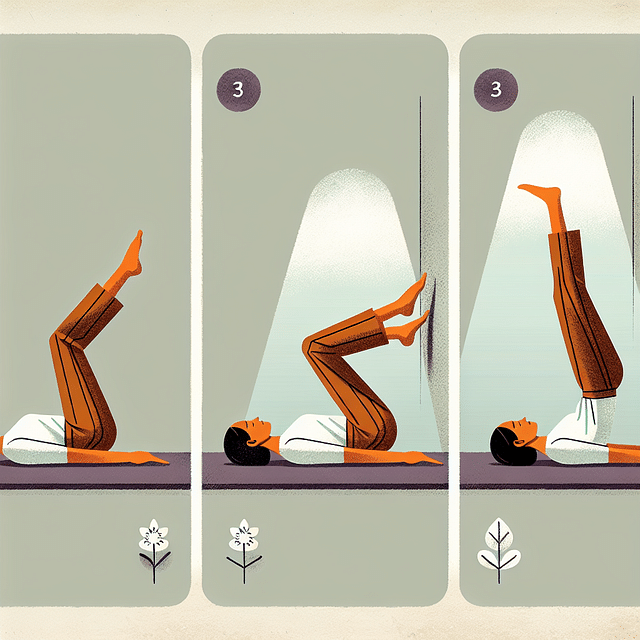
Exercise isn't just about intensity; it's about mindfulness and tuning in to what your body needs at different times of the month. If you feel up to it, light cardio such as walking can also be beneficial; however, ensure you're not pushing yourself too hard if you're experiencing cramps or discomfort.
"Your menstrual cycle doesn't have to be a barrier to physical activity. By syncing your workouts with your cycle phases, you create harmony between your body's needs and your fitness goals."
Understanding menstrual health is key in making informed decisions about your exercise routine throughout the cycle. If you're curious about how well you know your cycle phases and how they relate to exercise, consider taking our menstrual cycle quiz.
Incorporating mindfulness into your fitness regimen isn't just beneficial for menstrual health; it promotes overall well-being. For more insights into syncing other aspects of life with your menstrual cycle, explore our guides on monitoring menstrual health, enhancing experiences during the full moon menstruation, and uncovering how each stage impacts lifestyle choices in our comprehensive guide on the journey through the menstrual cycle.
To wrap up our exploration of cycle syncing exercise routines, I invite you to reflect on how these practices can be integrated into your life for improved health and vitality. Whether it’s adjusting your workout intensity or exploring new forms of movement that resonate with each phase of your menstrual cycle, remember that personalization is key.
Your journey towards a harmonious blend of wellness and menstrual health begins with understanding—and respecting—your body’s natural rhythms. Embrace each phase with intentionality and grace.
No comments yet. Be the first to share your thoughts!